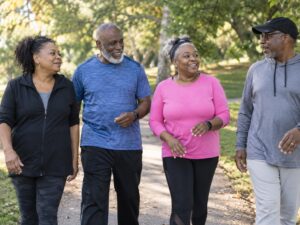

How Walking Together Can Support Wellness Across The Black Community
Walking is one of the simplest ways families can support health together. It does not require a gym membership, expensive equipment, or complicated planning. A family can walk around the neighborhood, visit a park, walk after dinner, explore a trail, stroll through a community event, or simply take a few extra blocks together when time allows. Across the Black community, many families are balancing work, school, caregiving, transportation, church, household responsibilities, and screen-heavy routines. That can make exercise feel like one more thing to fit into an already busy week. Walking can be different because it is flexible. Ten minutes counts. Twenty minutes counts. A slow walk with an elder counts. A brisk walk with teenagers counts. The goal is movement and consistency, not perfection. Walking also gives families something beyond exercise. It can create space for conversation. Children may talk more when they are side by side instead of sitting across from an adult. Teens may open up during a walk because the conversation feels less intense. Couples may have time to reconnect. Elders may enjoy both movement and companionship. A family walking routine can therefore support physical wellness, emotional health, communication, and community connection at the same time. 1. Walking Is An Accessible Form Of Movement Many forms of exercise require equipment, transportation, fees, or special spaces. Walking usually requires much less. A comfortable pair of shoes and a safe place to move may be enough to begin. This makes walking easier to adapt for different ages and fitness levels. A younger child may want a faster pace with breaks for exploring. An adult may prefer a steady walk. An elder may need a slower pace, shorter distance, or mobility support. Families can adjust the activity instead of forcing everyone into the same routine. That flexibility makes walking easier to sustain. 2. Walking Can Support Heart Health Regular physical activity is an important part of overall cardiovascular wellness. Walking can help families build more movement into everyday life without making exercise feel intimidating. A family might begin with short walks several times a week and gradually increase distance or pace as appropriate. The purpose is not to turn every outing into intense training. Consistency matters more. Parents can also help children understand that movement is part of caring for the body just like sleep, food, hydration, and medical care. When healthy movement becomes normal early, children may be more likely to continue it later in life. 3. Walking Can Help Reduce Stress A walk can create a mental break from school, work, screens, and household pressure. Moving outside may help family members slow down and reset after a difficult day. A child who feels restless after school may benefit from walking before homework. A parent may use an evening walk to mentally transition out of work mode. A teen may enjoy walking while talking through something that has been bothering them. Walking does not solve every emotional problem, but it can provide healthy space for processing stress. Families can treat it as one tool among many for emotional wellness. 4. Walking Creates Natural Conversation Some conversations feel easier when people are moving. There is less pressure for constant eye contact, and quiet moments feel more natural. This can make walking especially helpful with children and teenagers. Parents can ask simple questions. What was the best part of your day? What has been frustrating lately? Is there anything you are looking forward to? The conversation does not need to be serious every time. Families can laugh, talk about music, notice things around them, or simply enjoy being together. The goal is connection. A regular walk can quietly become one of the places where family members talk most openly. 5. After-Dinner Walks Can Become A Family Tradition An after-dinner walk is a simple routine many households can try. It creates a clear moment between dinner and the rest of the evening. Families might walk for ten or fifteen minutes around the block, through the neighborhood, or at a nearby park. Over time, the routine can become familiar. Children may begin expecting it. Adults may notice they enjoy the conversation. The family may meet neighbors they previously only passed by. Small traditions are powerful because they are repeatable. A short walk several times a week can become more meaningful than an occasional large fitness goal that never becomes a habit. 6. Walking Can Help Reduce Screen Time Many families are trying to create healthier boundaries around phones, tablets, gaming, and television. Walking provides a natural alternative. Instead of only saying, “Get off your phone,” parents can suggest something concrete: “Come walk with me.” Some teens may still want music or a podcast during a solo walk, and that can be fine depending on safety. But family walks can also create screen-free time where everyone is more present. The goal is balance rather than banning technology. A short period away from screens can support conversation, movement, and attention to the physical world. 7. Children Can Explore While They Walk Walking with young children does not need to be only about exercise. It can become exploration. Children can notice birds, flowers, dogs, buildings, clouds, insects, murals, neighborhood landmarks, or changing seasons. Parents can ask simple questions. What do you notice today? What has changed since last week? How many red doors can you find? These small activities make walking more interesting and help children practice observation. Movement and learning can happen together. 8. Teens Can Use Walking For Independence Older children and teens may eventually want more independence. Walking can be one way to build it responsibly. A teen might walk to a nearby library, store, sports practice, friend’s home, or community center when the route and circumstances are safe. Parents can teach route planning, awareness, check-in expectations, and how to handle unexpected situations. This gives young people practice moving through their community independently. It also helps them understand their neighborhood better. Independence grows when youth receive both freedom and guidance. 9.