

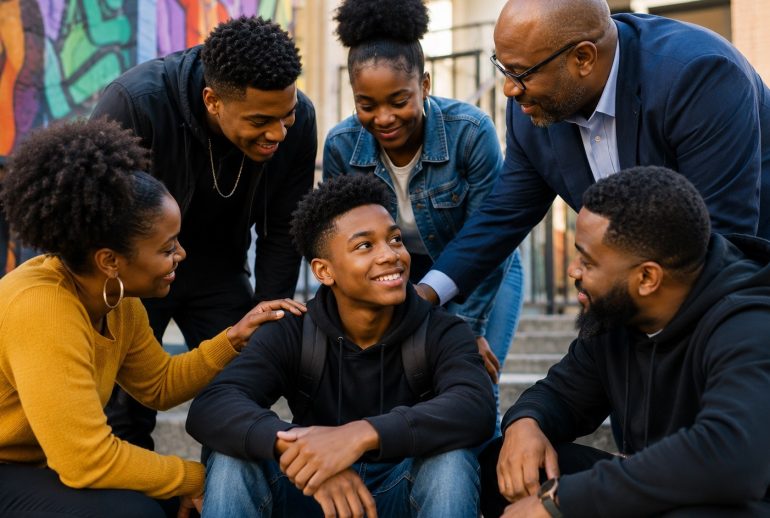
Self-esteem is one of the most important parts of a young person’s emotional growth. It shapes how children and teens see themselves, how they respond to challenges, how they handle criticism, how they choose friends, how they speak up for themselves, and how they imagine their future. A young person with healthy self-esteem does not think they are better than everyone else. They simply understand that they have value, that their voice matters, and that mistakes do not erase their worth.
Across the Black community, self-esteem matters because young people are growing up in a world that sends many messages about who they should be, how they should look, how they should act, what success should look like, and whether they are enough. Some messages come from school, social media, entertainment, peer groups, family expectations, and community experiences. Some messages are uplifting, but others can create pressure, insecurity, comparison, shame, or confusion. Children and teens need strong support systems to help them sort through those messages and hold on to a healthy sense of identity.
Self-esteem is not built through compliments alone. Encouraging words matter, but young people also need consistency, safety, structure, honest guidance, cultural pride, positive relationships, healthy boundaries, and opportunities to grow. They need adults who correct them without crushing them, listen to them without dismissing them, and challenge them without making them feel worthless. They need to know that they are loved not only when they perform well, behave perfectly, or make adults proud, but also when they are learning, struggling, and becoming.
When families and communities help youth build healthy self-esteem, they are helping prepare them for life. A confident young person is more likely to ask questions, try new things, recover from mistakes, resist negative peer pressure, choose safer friendships, and believe that their future is worth building. Self-esteem is not only personal. It affects the strength of the whole community because young people who know their value are better prepared to lead, serve, create, and care for others.
1. Self-Esteem Helps Youth Understand Their Worth.
Every child needs to know that their worth is not something they have to earn every day. Grades, sports, popularity, appearance, talent, clothing, money, and social media attention can all affect how young people feel, but none of those things should become the foundation of their value. A child should know they matter because they are a person with life, gifts, feelings, thoughts, and purpose.
When young people do not understand their worth, they may begin looking for value in unsafe places. They may accept poor treatment from friends, chase approval online, hide their real feelings, follow crowds they do not trust, or believe that one failure defines them. Low self-esteem can make youth more vulnerable to pressure because they may feel they must do whatever it takes to be accepted.
Families can help by speaking worth into children consistently. This does not mean giving empty praise. It means reminding them that they are loved, capable of growth, and worthy of respect. A parent might say, “You made a mistake, but you are not a mistake,” or “Your grade matters, but it does not define your whole future,” or “You do not have to become someone else to be accepted here.”
These messages matter because young people often carry adult words for years. Words spoken at home can either help build confidence or quietly damage it. Families should choose words that correct behavior while still protecting dignity.
2. Cultural Pride Can Strengthen Self-Esteem.
A strong sense of cultural identity can help young people feel more grounded. When children and teens learn about the history, creativity, leadership, beauty, resilience, and diversity of the Black community and the wider African Diaspora, they gain a deeper understanding of where they come from. This knowledge can strengthen self-esteem because it reminds them that they are connected to a larger story of courage, brilliance, family, faith, creativity, and community strength.
Cultural pride should not be reduced to one lesson, one month, or one holiday. It can be built through books, music, food, family stories, museums, festivals, local businesses, faith traditions, elders, art, fashion, and everyday conversations. When youth see culture reflected positively in the home and community, they are more likely to feel proud instead of unsure about who they are.
This is especially important because young people may encounter stereotypes or limited images of their community. If those images are not balanced by truth, children may begin to internalize harmful ideas. Families and mentors can help by teaching the full story, including struggle, but also joy, invention, leadership, entrepreneurship, scholarship, service, and love.
Cultural pride gives young people roots. It tells them they belong to a people with history and future. A young person who feels rooted may be better prepared to stand with confidence in spaces where others do not fully understand or value them.
3. Positive Words At Home Can Shape Confidence.
The way adults speak to children can shape their inner voice. A child who constantly hears that they are lazy, bad, slow, dramatic, difficult, or not good enough may begin to believe those words. Even when adults are frustrated, repeated negative labels can become part of how a young person sees themselves. Over time, those words can weaken self-esteem.
This does not mean adults should avoid correction. Children need guidance, discipline, and accountability. But correction should focus on the behavior, not destroy the child’s identity. There is a difference between saying, “You need to be more responsible with your homework,” and saying, “You never do anything right.” One statement addresses the problem. The other attacks the person.
Families can build confidence by using words that are firm and loving at the same time. Adults can say, “I expect better because I know you can grow,” or “Let’s fix this together,” or “That choice was not okay, but I still believe in you.” These kinds of words help children understand that accountability and love can exist together.
The home should be a place where young people hear the truth, but also where they feel safe enough to grow. When a child’s inner voice is built from encouragement, patience, and dignity, they are better prepared to face the outside world.
4. Social Media Can Challenge Youth Self-Esteem.
Social media can be entertaining, creative, and useful, but it can also create pressure. Young people may compare themselves to influencers, classmates, celebrities, athletes, artists, or people who appear to have perfect lives. They may compare their hair, skin, body, clothes, home, popularity, talents, or lifestyle to images that are edited, staged, filtered, or carefully selected.
This kind of comparison can quietly damage self-esteem. A teen may feel like they are behind in life because someone else seems more successful. A child may feel less attractive because they do not look like the images they see online. A young person may begin measuring their worth by likes, comments, followers, shares, or views. That is a heavy emotional burden.
Families can help by talking about social media honestly. Instead of only saying, “Get off your phone,” adults can ask what young people are seeing and how it makes them feel. They can explain that online images do not show a person’s whole life. They can encourage youth to follow accounts that inspire learning, creativity, culture, and confidence, while unfollowing accounts that create insecurity or pressure.
Healthy self-esteem requires young people to understand that their life does not have to look like someone else’s highlight reel. They deserve to grow at their own pace, in their own body, with their own gifts and story.
5. Safe Friendships Help Youth Feel Valued.
Friendships can strongly affect self-esteem. A good friend can encourage, listen, celebrate, and make a young person feel accepted. An unhealthy friend can criticize, pressure, embarrass, exclude, manipulate, or make a young person feel like they are never enough. Because youth often care deeply about peer approval, friendship experiences can shape how they see themselves.
Families can help children and teens think about how their friendships make them feel. Do their friends respect them? Do they feel safe being themselves? Are they pressured to do things they do not want to do? Are they laughed at when they share feelings? Do their friends celebrate their growth, or do they become jealous when good things happen?
Safe friendships do not have to be perfect, but they should include respect. A friend should not constantly make someone feel small. A friend should not demand loyalty while giving disrespect in return. A friend should not require someone to hide their values or ignore their boundaries.
Youth with healthy self-esteem are more likely to choose better friendships because they know they deserve respect. At the same time, safe friendships can help build self-esteem because they give young people a place to feel accepted and understood. Families and community programs can support this by creating positive spaces where youth can meet peers who encourage growth.
6. Mistakes Should Become Lessons, Not Labels.
Every young person will make mistakes. They may fail a test, say something disrespectful, choose the wrong friend, miss an assignment, break a rule, or make a poor decision online. Mistakes need consequences and correction, but they should not become permanent labels. If a child begins to believe they are only the worst thing they have done, their self-esteem can become deeply damaged.
Adults can help youth separate identity from behavior. The behavior may need to change, but the child still has worth. A parent or mentor can say, “What you did was wrong, and we need to deal with it, but you are still capable of making better choices.” This kind of response keeps accountability clear while leaving room for growth.
This matters because shame often makes young people hide, lie, or give up. Healthy correction helps them reflect, repair, and try again. A young person who learns how to recover from mistakes will be better prepared for adulthood because life will always include setbacks.
Families should create a culture where learning is possible. When youth know that mistakes are serious but not final, they can build resilience. They learn that failure can teach them if they are willing to be honest and change.
7. Self-Esteem Grows When Youth Discover Their Strengths.
Young people need opportunities to discover what they are good at and what they enjoy. Some children are strong readers. Some are creative artists. Some are natural helpers. Some are good with numbers, sports, music, technology, cooking, building, speaking, organizing, caring for animals, or solving problems. A child’s strengths may not always show up through grades alone.
When youth do not know their strengths, they may focus only on what is hard for them. A student who struggles in math may think they are not smart, even if they are talented in writing, art, leadership, or hands-on work. A child who is quiet may be deeply observant. A teen who does not enjoy traditional schoolwork may still have strong business, technical, or creative potential.
Adults can help by noticing and naming strengths. A teacher might say, “You explain ideas clearly.” A parent might say, “You are patient with younger children.” A mentor might say, “You have a good eye for design.” These observations help youth see themselves more fully.
Strength discovery builds confidence because it gives young people something to develop. It also teaches them that everyone has areas of growth and areas of gift. Self-esteem becomes healthier when youth understand both.
8. Healthy Discipline Can Protect Self-Respect.
Discipline is necessary, but the way discipline is handled matters. Healthy discipline teaches responsibility, safety, respect, and consequences without humiliating the child. Harsh discipline that relies on shame, insults, fear, or public embarrassment may stop a behavior temporarily, but it can also damage trust and self-worth.
Children and teens need structure. They need adults to set limits, explain expectations, and follow through. But they also need to understand why the correction matters. A young person is more likely to grow when discipline is connected to teaching, not only punishment.
Healthy discipline may include conversations, consequences, repair, apology, changed routines, loss of privileges, or extra responsibility. The goal is to help the child learn better choices. It should not be to make them feel worthless. Adults should also be willing to apologize if they handle correction poorly. This models humility and emotional maturity.
Self-respect grows when youth understand that they are responsible for their actions and still worthy of dignity. They learn that being corrected does not mean being rejected. That lesson is important for confidence and character.
9. Mentorship Can Strengthen Youth Confidence.
A mentor can help a young person see themselves with new eyes. Sometimes youth hear advice differently from a trusted adult outside the immediate household. A mentor may help them think about school, friendships, goals, emotions, leadership, career interests, or cultural identity. This added support can strengthen self-esteem.
Mentors are valuable because they often provide consistent encouragement and perspective. A mentor may notice potential that a young person has overlooked. They may help the youth prepare for an interview, join a program, practice a skill, or recover after a disappointment. They may also simply listen in a way that helps the young person feel seen.
Mentorship can come from coaches, teachers, youth leaders, business owners, elders, church members, community volunteers, older students, or relatives. The most important qualities are trust, consistency, respect, and care. A good mentor does not try to replace the family. They support the young person’s growth as part of the wider village.
Youth confidence grows when more than one caring adult believes in them. A mentor can become one of the voices that reminds a young person, “You have value, and your future matters.”
10. Body Confidence Is Part Of Self-Esteem.
Many young people struggle with body confidence. They may feel pressure about size, skin tone, hair texture, facial features, height, clothing, or physical development. These pressures can come from peers, social media, family comments, entertainment, and beauty standards that may not affirm them. Body insecurity can quietly affect self-esteem.
Families can help by speaking carefully about bodies. Comments about weight, skin, hair, or appearance can stay with children for years. Adults should avoid teasing, comparing siblings, criticizing natural features, or making children feel that their bodies are problems to be fixed. Health conversations should focus on care, strength, energy, and wellness rather than shame.
Children and teens should hear that beauty is diverse. Across the African Diaspora, there are many shades, hair textures, body types, features, and styles. Young people need to see themselves reflected positively in books, media, family photos, cultural events, and community spaces. Representation can help them feel less alone.
Body confidence does not mean focusing only on appearance. It means helping youth respect their bodies, care for their health, and understand that their worth is not limited to how they look. A young person who feels at peace in their own body is better prepared to move through the world with confidence.
11. Youth Need Opportunities To Lead And Contribute.
Self-esteem grows when young people know they can contribute. Children and teens need opportunities to help, lead, create, serve, and take responsibility. When youth are trusted with meaningful tasks, they begin to see themselves as capable. Leadership does not have to begin with a title. It can begin with helping at a community event, mentoring a younger child, leading a small project, volunteering, speaking at school, or contributing to family responsibilities.
Adults should give youth chances to practice leadership in safe and age-appropriate ways. A child can help plan a family activity. A teen can help organize a youth program. A student can lead a discussion. A young person with a talent can teach others. These experiences build confidence through action.
Contribution also teaches youth that they are needed. When young people feel useful, they are less likely to see themselves as invisible. They understand that their ideas, skills, and effort can help others. This builds a deeper kind of self-esteem rooted in purpose.
Families and community organizations should look for ways to invite youth into meaningful participation. Young people are not only the future. They can contribute now with guidance and support.
12. Community Support Helps Youth Build A Stronger Inner Voice.
A young person’s inner voice is shaped by many outer voices. Parents, teachers, friends, mentors, coaches, relatives, elders, media, and community spaces all contribute to how youth speak to themselves. If the voices around them are mostly critical, dismissive, or harsh, their inner voice may become the same. If the voices around them are truthful, encouraging, patient, and respectful, their inner voice can become stronger and healthier.
The community has a role in building that inner voice. Adults can greet youth with kindness, notice their strengths, ask about their goals, correct them with dignity, and include them in positive spaces. Schools can create environments where students feel seen. Community programs can offer mentorship. Families can speak words of life at home. Elders can share stories that build identity and pride.
Youth will face criticism and pressure in life. They need an inner voice strong enough to withstand it. That voice is built over time through repeated messages of worth, responsibility, culture, faith, effort, and possibility.
When the village helps build healthy self-esteem, young people are better prepared to face challenges without losing themselves. They learn to say, “I can grow. I can recover. I matter. I belong. My future is worth building.”
Conclusion.
Self-esteem matters for youth across the Black community because it shapes how children and teens see themselves, make decisions, handle mistakes, build friendships, respond to pressure, and imagine their future. Healthy self-esteem helps young people understand that they have value, even while they are still learning and growing.
Families and communities can support self-esteem through positive words, cultural pride, safe friendships, mentorship, healthy discipline, body confidence, leadership opportunities, and emotional support. Young people need adults who tell the truth with love, correct without shame, and encourage without empty praise. They need to know that their worth is steady, even when life is difficult.
When youth build healthy self-esteem, they are more likely to stand with confidence, choose better relationships, ask for help, recover from setbacks, and use their gifts. A young person who knows their value can become a stronger student, friend, family member, leader, and community builder.
Akukulu Family encourages parents, caregivers, mentors, educators, and community members to speak one confidence-building message to a young person this week. Notice their effort, affirm their value, ask about their goals, celebrate their culture, or remind them that one mistake does not define them. One thoughtful word can help strengthen a young person’s self-esteem and future.
