


Summer does not have to include expensive flights, luxury hotels, or a packed vacation schedule to feel special.
For many families, the best memories happen close to home. A short road trip, a picnic at a park, a museum visit, a cultural festival, a day near the water, or a walk through a new neighborhood can give children the excitement of travel without putting pressure on the family budget.
Day trips are especially helpful for busy families. They require less planning, fewer expenses, and less time away from work or other responsibilities. Families can leave in the morning, enjoy a full experience, and return home the same evening.
The goal is not to create a perfect vacation. The goal is to make room for joy, rest, learning, and connection.
A simple trip can still become a meaningful family tradition.
1. Start With Experiences Close To Home.
Families often overlook interesting places nearby because they feel too familiar. But a local attraction can still feel exciting when it is experienced with intention.
A family might explore:
- A public park.
- A nature trail.
- A lake or riverfront.
- A local museum.
- A historic neighborhood.
- A farmers market.
- A community festival.
- A botanical garden.
- A library event.
- A free outdoor concert.
- A nearby small town.
The destination does not need to be far away.
Sometimes the simple act of packing snacks, choosing a playlist, and visiting a new place can make the day feel like an adventure.
Children often remember how the family felt during the trip more than how much money was spent.
2. Set A Simple Budget Before Leaving Home.
A day trip becomes less stressful when the family decides how much to spend before leaving.
The budget can include:
- Gas or public transportation.
- Parking.
- Food.
- Admission tickets.
- Small treats.
- Emergency money.
- Souvenirs, if the family chooses to buy them.
Parents can explain the budget to older children and invite them into the planning process.
For example, the family may decide to pack lunch so they can afford one special dessert. Or they may choose a free museum day so they can enjoy dinner at a local restaurant.
These choices teach children that a fun experience does not require unlimited spending.
Smart planning protects the family from financial stress after the trip is over.

3. Pack Food To Save Money And Reduce Stress.
Food can become one of the biggest expenses during a family outing.
A few restaurant meals, snacks, drinks, and impulse purchases can add up quickly. Packing food helps families stay within budget and avoid unnecessary stress when children become hungry.
A simple day-trip food bag may include:
- Sandwiches or wraps.
- Fruit.
- Crackers.
- Water bottles.
- Juice boxes.
- Granola bars.
- Cut vegetables.
- A small cooler.
- Napkins and wipes.
Families can still enjoy one local treat or restaurant meal if the budget allows.
The goal is balance.
Packing food gives the family more control while still leaving space for something fun.
4. Choose Activities That Match Your Family.
A good outing should fit the people attending.
A family with young children may enjoy a playground, zoo, splash pad, or short walking trail. Teenagers may prefer a street festival, museum, outdoor concert, shopping district, or food market. Elders may enjoy a scenic drive, botanical garden, cultural event, or relaxed picnic area.
The best trip is not always the busiest one.
Families should think about:
- The age of the children.
- Mobility needs.
- Heat and weather.
- Restroom access.
- Parking.
- Shade.
- Food options.
- Sensory needs.
- The length of the activity.
Planning around the family’s real needs makes the experience more enjoyable for everyone.
5. Include Culture And History.
Summer trips can also become opportunities for cultural learning.
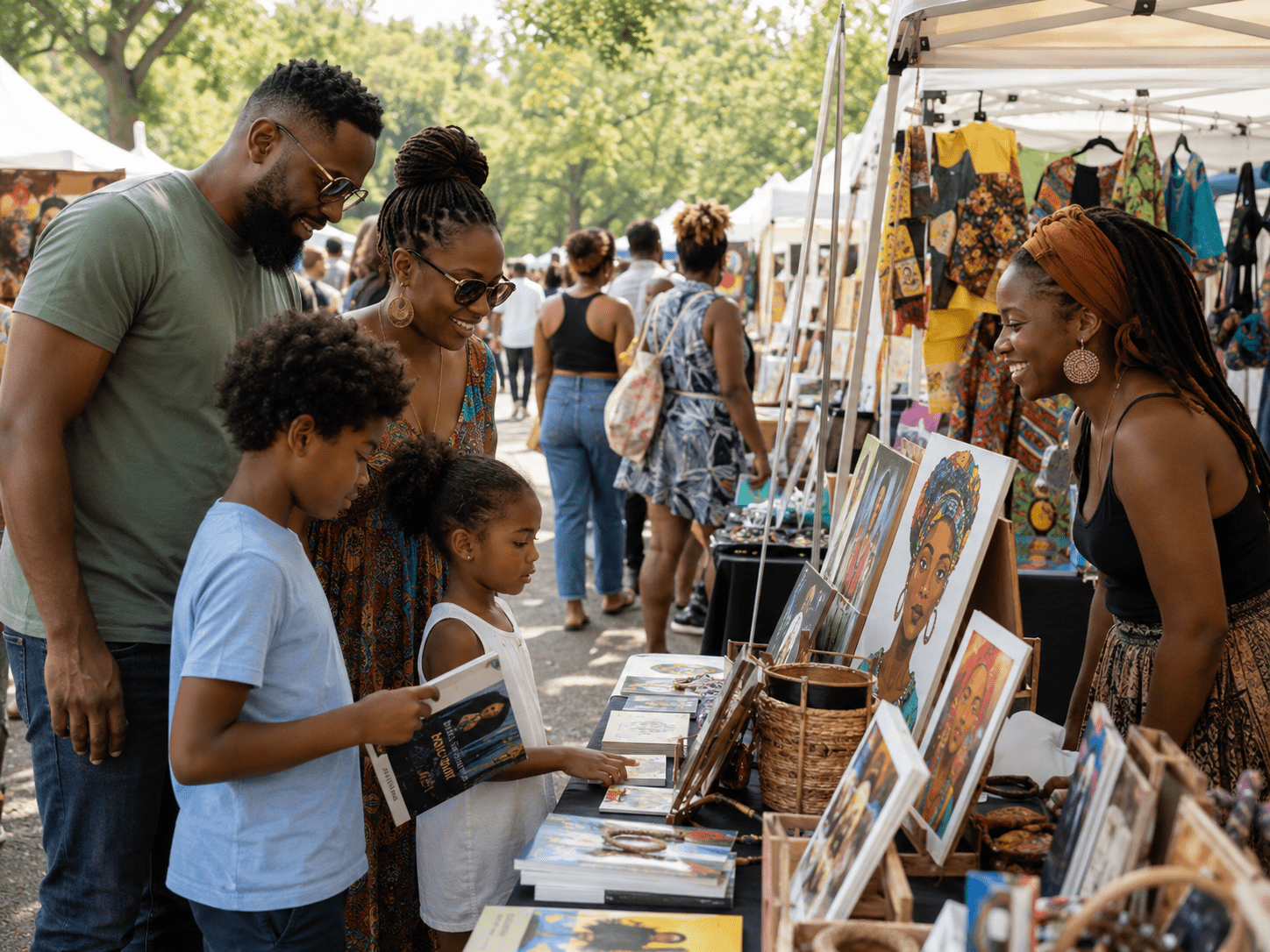
Black families can visit museums, cultural centers, historic landmarks, bookstores, art exhibits, music events, African Diaspora markets, and Black-owned businesses.
Children may learn more when they can see, taste, hear, and experience culture in real life.
A family trip might include:
- Visiting a Black history museum.
- Eating at a Black-owned restaurant.
- Exploring a neighborhood with deep cultural history.
- Attending a music festival.
- Supporting local artists.
- Visiting a historically Black college or university.
- Reading about an important local leader before the trip.
Travel does not only create memories.
It can also help children understand identity, resilience, creativity, and community pride.
6. Dress For Comfort And Confidence.
Clothing can affect the entire day.
Summer outings often include walking, heat, changing weather, outdoor seating, and long periods away from home. Families should choose outfits that feel comfortable, breathable, and practical.
Helpful items may include:
- Comfortable shoes.
- Lightweight clothing.
- Hats.
- Sunglasses.
- Sunscreen.
- A light jacket.
- An extra outfit for younger children.
- A small umbrella.
- A tote bag or backpack.
Style still matters.
Families can look polished and feel confident without wearing anything uncomfortable. Coordinated colors, clean sneakers, simple accessories, and breathable fabrics can help everyone look good in family photos while still enjoying the day.
The best outfit is one that allows the family to focus on the experience.
7. Leave Room For Rest.
A day trip should not feel like a race.
Families sometimes try to fit too much into one day. They visit too many places, rush through meals, and return home exhausted.
A better plan may include one main activity, one simple meal, and one relaxed stop.
Children may need breaks. Elders may need a slower pace. Parents may need quiet time too.
Rest can be part of the outing.
A shaded bench, a slow picnic, a scenic drive, or a quiet walk can become one of the best parts of the day.
Families do not need to do everything to make the trip meaningful.
8. Take Photos, But Stay Present.
Photos help families remember special moments.
A few pictures at the park, museum, market, or restaurant can become part of a family album. Children may enjoy looking back at these experiences later.
But families should also make time to put phones away.
The outing should not become a performance for social media. The goal is to enjoy the people who are actually present.
Parents can take a few photos and then focus on conversation, laughter, and shared experiences.
A memory does not become more valuable because it received more likes.
The people in the moment matter most.
9. Let Children Help Plan The Next Trip.
Children often enjoy trips more when they feel involved.
Parents can let children suggest destinations, choose snacks, create a playlist, pack a small backpack, or select one activity.
Teenagers can help compare prices, look at travel times, and research local attractions.
This creates excitement and teaches responsibility.
A family can also keep a simple list titled “Places We Want To Visit This Summer.”
Each person can add ideas.
The list may include free parks, local festivals, new restaurants, museums, walking trails, markets, and nearby towns.
Small trips become more meaningful when everyone feels included.
10. Build A Summer Tradition.
A single day trip can become a family tradition.
Families might choose:
- One Saturday outing each month.
- A yearly picnic at the same park.
- A local museum day.
- A summer market visit.
- A family road-trip playlist.
- A trip to a new Black-owned restaurant.
- A photo at the same location each year.
Traditions give children something to remember and look forward to.
They also remind families that joy does not have to be expensive.
A simple experience repeated with love can become part of the family story.
Conclusion.
Affordable summer travel is not about doing less.
It is about focusing on what matters most.
A day trip can give families rest, laughter, culture, learning, and time together without the financial pressure of a major vacation.
For Black families, local travel can also become a way to support businesses, explore community history, celebrate culture, and help children feel connected to the world around them.
The destination does not need to be far away.
Sometimes the best memories begin with a short drive, a packed lunch, and a family willing to enjoy the day together.

Akukulu Family encourages families to choose one affordable local adventure this summer. Pack a lunch, explore a nearby park, visit a cultural event, support a local business, and create a memory that reminds your family that meaningful experiences do not have to cost a lot.
