We’re hiring passionate Mentors, Tutors, Program Coordinators & Security Officers to empower youth in Maryland, Washington D.C., Virginia Apply now and make a difference!
Life Youth Mentorship & Tutoring (LYMT) – Second Batch Now Open!
After successfully completing our first year LYMT program, we’re excited to welcome our second batch of students! Led by college educated mentors & tutors, LYMT offers academic support, life skills, STEM tutoring, and enriching activities to help youth excel.
Special Offer: Enroll now for just $200/month (was $250) – limited seat only! (Click here)

Tag: family traditions

African Diaspora
Muhammed Wasim

How DMV Families Can Celebrate African Diaspora Heritage All Year.

African Diaspora heritage should not be celebrated only during one month, one holiday, one festival, or one special event. It is something families can honor throughout the year in simple and meaningful ways. Heritage lives in food, music, family stories, books, language, faith, art, clothing, history, local businesses, community gatherings, and the everyday choices families make to remember who they are and where they come from. For families across the DMV, there are many opportunities to keep that connection alive. Washington, D.C., Maryland, and Virginia are full of African Diaspora culture. Families can find African American history, African immigrant communities, Caribbean influence, Afro-Latin traditions, Black-owned businesses, cultural restaurants, local artists, historic neighborhoods, museums, churches, mosques, bookstores, markets, festivals, and community organizations all across the region. This gives parents, caregivers, elders, and mentors many ways to help children experience culture as something close, real, and personal. Celebrating heritage all year does not require a large budget or complicated plan. A family can begin with one meal, one book, one conversation with an elder, one visit to a museum, one local business supported, one song discussed, one family photo preserved, or one cultural event attended. Small actions matter because they are repeated. When children experience culture again and again, it becomes part of their identity instead of something they only hear about occasionally. The goal is not to make heritage feel like homework. The goal is to help families build pride, connection, curiosity, and memory. Children should learn that African Diaspora heritage includes struggle, but it also includes joy, brilliance, creativity, leadership, faith, beauty, music, food, business, invention, family strength, and community love. When families celebrate that fullness all year, they help the next generation feel more rooted and confident. 1. Make Culture Part Of Everyday Family Conversation. One of the easiest ways to celebrate heritage all year is to talk about it regularly. Families do not need a formal lesson every time. Culture can be discussed naturally during meals, car rides, bedtime, family gatherings, school projects, music listening, movie nights, or community outings. A simple conversation can help children understand that culture is part of daily life, not something separate from it. Parents and caregivers can ask children what they are learning about history, what music they enjoy, what foods they are curious about, or what they know about their family background. Elders can share memories about where they grew up, what traditions mattered, what holidays looked like, what songs were sung, what foods were cooked, and what values helped the family stay strong. These conversations help children connect family life to the wider African Diaspora story. Culture conversations should leave room for questions. Children may ask why certain traditions matter, why history includes painful moments, why different families celebrate differently, or why some stories were not taught in school. Adults do not need to have perfect answers. They can say, “That is a good question. Let’s learn together.” This teaches children that heritage is something worth exploring with honesty and care. When culture becomes part of normal conversation, children begin to see it as something alive. They learn that their identity is not hidden or occasional. It belongs in the home, at the table, in the car, at school, and in community life. 2. Visit Local Museums And Historic Places Throughout The Year. The DMV offers many opportunities for families to connect with history through museums, monuments, cultural centers, historic neighborhoods, and local landmarks. These places can help children see history beyond textbooks. They can look at photographs, documents, clothing, tools, artwork, music, videos, and personal stories that make the past feel more real. A museum visit does not have to be rushed. Families can choose one section, one exhibit, or one theme at a time. Trying to see everything in one day can overwhelm children. A slower visit allows them to ask better questions and remember more. Parents might ask what stood out, what surprised them, what made them proud, or what they want to learn more about. Historic places can also help children understand that the DMV itself carries deep history. A walk through a neighborhood, a visit to a historic church, a local mural, a school site, a community center, or a landmark connected to Black history can show children that important stories happened close to home. This helps them see their region with more pride. Families can make museum and history visits a regular tradition. One outing every few months can build a strong foundation over time. Children may not remember every detail, but they will remember that their family made history and culture important. 3. Use Food To Teach Heritage With Joy. Food is one of the most natural ways to celebrate African Diaspora heritage. A family meal can carry history, geography, memory, and love. Across the DMV, families can experience African American, Caribbean, African, Afro-Latin, Southern, and other Diaspora food traditions through home cooking, restaurants, markets, festivals, and family gatherings. Parents and caregivers can use meals as learning moments without making them feel heavy. They might explain where a dish comes from, who taught the family to cook it, what ingredients are used, or why it appears during certain holidays or gatherings. Children can help prepare meals, taste new foods, compare flavors, and ask questions about different cultures. Trying new foods can also help children understand the diversity of the African Diaspora. A child may eat jollof rice one month, jerk chicken another month, injera another time, gumbo at a family gathering, or rice and peas at a community event. These experiences show that culture is wide and varied, not limited to one tradition. Food also creates joy. Children may remember the smell of a favorite dish, the laughter during cooking, the elder who seasoned without measuring, or the restaurant where the family tried something new. These memories become part of how culture is passed forward. 4. Support Diaspora-Owned Businesses In The DMV. Supporting local businesses is a practical way to celebrate heritage

Read More »
Global Bites & Tales
Muhammed Wasim

How Food Stories Keep Black Families Connected Across Generations.

Food has always been more than something placed on a plate. For many Black families, food carries memory, culture, survival, celebration, faith, creativity, and love. A meal can remind someone of a grandmother’s kitchen, a Sunday afternoon after church, a family reunion, a holiday table, a neighborhood cookout, a wedding, a funeral repast, a childhood home, or a country and culture that still lives in the family’s heart even after migration and change. Every family has food stories, even if they have never called them that before. There may be a recipe that no one writes down because an elder measures by sight, taste, and memory. There may be a dish that always appears at family gatherings because it reminds everyone of someone they love. There may be a certain seasoning, sauce, bread, stew, rice dish, dessert, or drink that connects the family to the South, the Caribbean, Africa, the DMV, or another place that shaped their journey. For Black families across the African Diaspora, food often holds pieces of history that were not always protected in books or official records. Recipes can carry stories of migration, adaptation, farming, faith, poverty, celebration, resistance, and creativity. A simple family meal can show how people made something beautiful with what they had, how they stretched food to feed many, how they honored elders, and how they kept culture alive even when life changed. When families tell the stories behind their food, children learn that meals are not only about eating. They learn that food can be a bridge between generations. They learn that culture can be tasted, smelled, remembered, and shared. They learn that the kitchen can be a classroom, a place of healing, a place of laughter, and a place where family identity is passed from one generation to the next. 1. Family Recipes Carry More Than Ingredients. A family recipe may look simple on the surface, but it often carries years of memory. A pot of greens, a pan of cornbread, a bowl of rice and peas, a stew, a soup, a plate of fried fish, a tray of sweet potato pie, or a special holiday dish can hold the memory of the person who first made it, the home where it was served, and the people who gathered around it. The ingredients matter, but the story behind the recipe gives the food its deeper meaning. In many families, recipes are not written down in exact measurements. An elder may say, “Add a little bit of this,” or “You will know when it looks right,” or “Taste it and you will know what it needs.” To a child, that may seem confusing, but it also shows how much knowledge can live in the hands, eyes, and memory of the cook. That kind of cooking is not careless. It is experience passed down through practice. When younger family members learn these recipes, they are learning more than how to prepare food. They are learning patience, attention, responsibility, and respect for the people who came before them. They are learning that family history can live in everyday actions. Stirring a pot, kneading dough, washing vegetables, seasoning meat, or setting the table can become part of a larger story. Families can preserve these recipes by asking elders to explain not only how the food is made, but why it matters. Who taught you to cook this? When did the family usually eat it? Was it for holidays, Sunday dinners, hard times, celebrations, or everyday meals? These questions turn a recipe into a family memory that children can carry forward. 2. The Kitchen Can Become A Place Of Storytelling. The kitchen is often one of the most powerful storytelling spaces in a home. People may talk more naturally while cooking than they do in a formal conversation. Children may ask questions while helping wash vegetables or stir a bowl. Elders may begin sharing memories while seasoning food. Parents may talk about their childhood while preparing dinner. A simple meal can open the door to stories that might not come out any other way. For Black families, kitchen conversations can carry lessons about family, culture, faith, work, relationships, and resilience. A grandmother might explain how meals were stretched when money was tight. A father might talk about the food he ate growing up. An auntie might remember a holiday when the whole family gathered in one small house. These stories help children understand the people in their family more deeply. The kitchen also allows children to learn through the senses. They hear the sound of food cooking, smell familiar seasonings, touch ingredients, see colors and textures, and taste the finished meal. These sensory memories can stay with them for life. Years later, the smell of a certain dish may bring them back to a person, a place, or a moment of love. Families do not need to force storytelling in the kitchen. It can happen naturally when children are invited to help and adults are willing to talk. Even a busy weeknight meal can become meaningful when someone says, “This reminds me of when I was little,” or “Your grandmother used to make this a little differently.” These small comments can become the beginning of a story. 3. Food Helps Children Feel Connected To Culture. Children often understand culture best when they can experience it in everyday life. A history lesson may teach them facts, but food helps them feel culture in a personal way. When a child eats food connected to their family’s background, they are not only tasting a dish. They are participating in a tradition that may have traveled through many generations and places. For families connected to the African Diaspora, food can reflect many cultural paths. African American, Ethiopian, Nigerian, Ghanaian, Jamaican, Haitian, Trinidadian, Somali, Eritrean, Sudanese, Caribbean, Southern, and many other food traditions all tell different parts of a wider story. Each family may have its own mix of influences based on migration, marriage, neighborhood, faith, and personal memory.

Read More »
Social Topics-Blog
Muhammed Wasim

Why Intergenerational Storytelling Matters For Black Families.

Every Black family carries stories that deserve to be remembered. Some stories are full of joy, humor, faith, music, food, migration, hard work, and celebration. Other stories carry pain, sacrifice, loss, struggle, and survival. Together, these stories help families understand where they come from, what they have overcome, and what kind of strength has been passed down from one generation to the next. Intergenerational storytelling is more than sitting around and talking about the past. It is a way of connecting children, parents, grandparents, aunties, uncles, cousins, elders, and community members through memory and meaning. When one generation shares what they lived through, the next generation receives more than information. They receive identity, wisdom, warning, encouragement, and belonging. For Black families, storytelling has always carried power. Long before many histories were written down, families and communities used spoken stories to teach values, protect culture, explain hardship, celebrate victories, and remind young people who they were. A grandmother’s kitchen table, a grandfather’s porch, a church gathering, a barbershop, a family reunion, a long car ride, or a holiday meal can all become places where history is passed from one heart to another. In a world where young people are surrounded by fast information, social media, outside opinions, and changing cultural messages, family stories can help them stay rooted. They need to know that they are part of something bigger than the present moment. They need to hear about the people who prayed, worked, migrated, built, loved, cooked, laughed, struggled, and kept going before them. These stories can help children understand that their family history is not distant or disconnected. It lives inside them. 1. Family Stories Help Children Understand Where They Come From. Children need more than names and dates to understand their family history. They need stories that help them imagine the people who came before them as real human beings with dreams, challenges, personalities, choices, and lessons. A child may know the name of a grandparent or great-grandparent, but when they hear how that person lived, what they loved, what they survived, and what they believed, the name becomes a person. For Black families, this kind of knowledge can be especially meaningful because many families have experienced broken records, migration, separation, displacement, or histories that were not fully preserved in official documents. Some families may not know every branch of the family tree, but they may still carry memories through recipes, sayings, songs, faith practices, photographs, traditions, and stories told by elders. These pieces matter because they help children feel connected to a larger family journey. A parent might tell a child about how their grandmother moved from one state to another to find better work, or how an uncle started a small business with very little money, or how an elder kept the family together during a difficult season. These stories teach children that family history is not only about famous people or major public events. It is also about ordinary people making brave choices, loving their families, and finding ways to survive. When children know where they come from, they often feel more grounded. They begin to understand that they are not starting from nothing. They are standing on the lives, prayers, labor, and love of people who came before them. That knowledge can become a quiet source of confidence as they grow. 2. Storytelling Preserves Culture In Everyday Life. Culture is often preserved through the small details of family life. It is found in the way people cook, speak, celebrate, worship, dress, laugh, grieve, and gather. It is found in family recipes, holiday traditions, church memories, music, hair care routines, community events, home remedies, nicknames, family sayings, and the way elders explain life lessons. Storytelling helps keep these details alive. A family recipe, for example, is not only about ingredients. It may carry the memory of a grandmother who cooked for everyone, a father who made breakfast on weekends, an auntie who always brought the same dish to family gatherings, or a holiday meal that brought relatives together after a long year. When someone tells the story behind the food, the recipe becomes part of the family’s cultural memory. The same is true for music. A song may remind an elder of their youth, a church choir, a family celebration, a neighborhood, or a loved one who has passed away. When young people hear those stories, they learn that music is not only entertainment. It can carry history, emotion, identity, and connection across generations. In many Black families and African Diaspora communities, culture is not preserved in one formal lesson. It is passed through everyday conversation. A child may learn about family values while helping in the kitchen, sitting in a salon chair, riding with a grandparent, listening to stories after church, or watching relatives laugh together at a reunion. These moments may seem simple, but they become part of how children understand who they are. 3. Elders Carry Wisdom That Young People Need. Elders often carry wisdom that cannot be found in a textbook or online search. They have lived through seasons of change, hardship, joy, disappointment, work, parenting, faith, illness, loss, and community life. Their stories can help young people understand how to handle challenges with patience, courage, and perspective. Many young people are trying to navigate a world that moves quickly. They may feel pressure from school, social media, friendships, identity questions, family expectations, and future plans. Elders may not understand every modern trend or technology, but they often understand human struggle. They know what it feels like to be afraid, to make mistakes, to lose someone, to start over, to work hard, to wait, and to keep going when life does not happen as planned. When elders tell their stories, they can offer guidance without simply giving instructions. A grandmother sharing how she handled loneliness may help a teenager feel less alone. A grandfather talking about his first job may teach patience and work ethic. An auntie explaining how she rebuilt

Read More »
African Diaspora
Muhammed Wasim

Family-Friendly Ways To Explore African Diaspora Culture In The DMV.

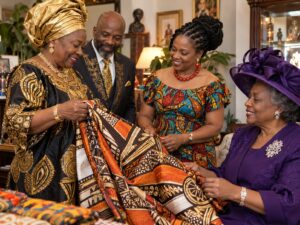
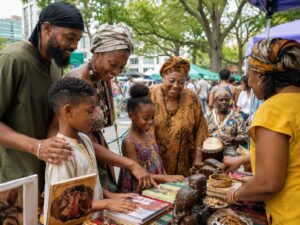
The DMV is full of culture. Across Washington, D.C., Maryland, and Virginia, families can find African Diaspora influence in food, music, museums, art, churches, mosques, bookstores, festivals, markets, schools, businesses, and community gatherings. For Black families, exploring culture does not always require a big trip or expensive event. Sometimes it begins with a meal, a conversation, a walk through a historic neighborhood, a visit to a local market, or a story shared by an elder at the kitchen table. Culture becomes stronger when families experience it together. Children need to see that their history is not only something in a textbook. It is alive in the people around them, the food they eat, the music they hear, the businesses they support, and the stories their families carry. The DMV gives families many ways to make those connections real. 1. Visit Local Museums And Cultural Spaces. Museums can help children understand history in a deeper way. Instead of only hearing about the past, they can see photographs, clothing, artwork, documents, inventions, music, and stories that connect to real people and real events. A museum visit can open conversations about courage, creativity, struggle, leadership, migration, and community strength. Parents can make the visit more meaningful by asking children simple questions: What did you notice?What surprised you?Which story stood out to you?What do you want to learn more about? The goal is not to make children memorize facts. The goal is to help them feel connected to the people and stories that shaped the world they live in. 2. Support Black-Owned And Diaspora-Owned Restaurants. Food is one of the most enjoyable ways to explore culture. The DMV has many Black-owned, African-owned, Caribbean-owned, and Diaspora-owned restaurants where families can experience different flavors, traditions, and stories. A family meal can become a cultural lesson. Parents can talk with children about where certain dishes come from, what ingredients are used, and why food traditions matter. A child may try jollof rice, jerk chicken, injera, plantains, collard greens, rice and peas, suya, curry, seafood, stews, or sweet treats connected to different parts of the African Diaspora. Food gives children a way to experience culture through taste, smell, and family conversation. 3. Attend Community Festivals And Cultural Events. Festivals are powerful because they bring culture to life. Families can experience music, dance, food, fashion, vendors, art, storytelling, and community pride all in one place. Children may see flags, hear different languages, watch traditional dances, meet local artists, and learn about cultures they may not encounter every day. A festival can help children understand that Black culture is not one single thing. It is wide, diverse, creative, and global. Families can make a simple plan before attending: Choose one food to try.Choose one performance to watch.Visit one vendor.Learn one new cultural fact.Take one family photo. Small goals can help children stay engaged. 4. Explore Black-Owned Bookstores And Libraries. Books help children connect with culture through imagination and knowledge. Black-owned bookstores, community libraries, and cultural book events can introduce families to stories by Black authors, African writers, Caribbean writers, poets, historians, children’s authors, and local voices. Families can look for books about: African history. African American leaders. Caribbean culture. Black inventors. Family stories. Children’s confidence. African folktales. Black joy. Diaspora food. Music and art. Local DMV history. A book does not have to be long to be powerful. One good story can start a conversation that stays with a child for years. 5. Use Music As A Cultural Bridge. Music connects generations. In the DMV, families can hear gospel, go-go, jazz, R&B, hip-hop, reggae, Afrobeat, soul, Caribbean rhythms, and traditional African sounds. Parents and grandparents can introduce children to songs they grew up with. Teens can share the music they love now. Families can talk about how music carries history, joy, resistance, celebration, and identity. A simple family playlist can become a cultural bridge. Each family member can choose a song and explain why it matters. This helps children understand that music is not only entertainment. It is memory, expression, and connection. 6. Visit Historic Neighborhoods And Landmarks. The DMV is rich with Black history. Families can take local walks or short trips to explore neighborhoods, landmarks, churches, schools, community centers, and historic sites connected to African American life. These outings help children understand that history happened close to home. They may learn about leaders, educators, artists, activists, business owners, faith communities, and families who helped shape the region. A parent can say: “People who looked like us helped build this place.” That message matters. It helps children see themselves as part of a continuing story. 7. Shop With Local Black And Diaspora Vendors. Markets, pop-ups, festivals, and small businesses give families a chance to support culture and community economics at the same time. Children can see Black entrepreneurs selling clothing, jewelry, books, food, art, skincare, home goods, music, and creative products. Parents can explain why support matters: “When we buy from local businesses, we help families grow.” “When we support Black-owned businesses, we help strengthen the community.” “When we buy from artists, we help culture continue.” Shopping can become more than spending money. It can become a lesson in ownership, creativity, and community support. 8. Ask Elders To Share Family Stories. Culture is not only found outside the home. It lives inside the family. Elders carry memories that children may never hear unless someone asks. They may remember old neighborhoods, family recipes, migration stories, church traditions, school experiences, work life, music, language, and lessons from earlier generations. Families can ask elders: What was your childhood like?What foods did your family cook?What music did you love?What traditions do you want us to keep?What lesson helped you through hard times? These conversations help children feel rooted. They also show elders that their memories matter. 9. Cook One Diaspora-Inspired Meal At Home. Families do not always need to go out to explore culture. They can bring culture into the kitchen. Choose one dish connected to the African Diaspora and prepare it

Read More »
Recreation-Blog
Muhammed Wasim

Why Family Game Nights Matter More Than Ever For Black Families.

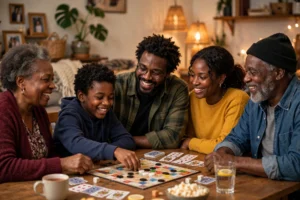
Family life can move quickly. Parents are working, children are busy with school, teenagers are connected to their phones, and everyone may be balancing responsibilities that leave little time for relaxed conversation. Even when families live under the same roof, it is possible to feel disconnected. That is why simple traditions matter. A family game night may not seem like a major event, but it can become one of the easiest ways to slow down, laugh together, and create memories at home. Whether the family plays cards, board games, trivia, puzzles, charades, dominoes, or a homemade game, the real purpose is not only to win. The purpose is connection. For Black families, game nights can also become a way to pass down stories, build confidence in children, celebrate culture, and protect family joy during busy or stressful seasons. 1. Family Game Night Creates Time To Slow Down. Many families spend their days moving from one responsibility to the next. Work, school, homework, errands, appointments, sports, and household tasks can fill the schedule quickly. Game night creates a reason to pause. For one evening, the family can sit together without rushing. The phones can be placed to the side. The television can be turned off. The focus can shift from responsibilities to relationships. Even one hour can make a difference. The goal does not have to be a perfectly planned event. It can be as simple as choosing one game, making popcorn, and gathering around the kitchen table. A small pause in the week can help the family feel connected again. 2. Laughter Helps Release Stress. Families carry stress in different ways. Parents may feel pressure from work, finances, or caregiving. Children may feel pressure from school, friendships, or social media. Teenagers may carry emotions they do not always know how to explain. Laughter can help release some of that pressure. A funny answer during charades, a surprising card in a game, or a playful family competition can shift the atmosphere in the room. It gives everyone permission to relax. Joy is not a distraction from real life. It is part of how families stay strong during real life. A home filled with laughter can become a place where people feel safe enough to breathe. 3. Games Help Children Build Confidence. Games give children opportunities to think, speak, make decisions, and take healthy risks in a safe environment. A child may need to answer a question, explain a strategy, read a card aloud, solve a puzzle, or make a choice. These moments can help build communication skills and confidence. Children also learn that mistakes are part of the process. They may lose a round, misunderstand a rule, or try a strategy that does not work. With encouragement, they learn to try again without feeling embarrassed. Parents can help by praising effort, patience, and good sportsmanship instead of focusing only on who wins. Confidence grows when children feel supported while they learn. 4. Game Night Can Reduce Screen Time Naturally. Many parents want children to spend less time on phones, tablets, games, and social media. But simply telling children to put devices away may create conflict if there is no alternative activity. Family game night gives everyone something enjoyable to do together. The goal is not to treat technology like the enemy. Devices can be useful and fun. But families also need time for face-to-face connection, conversation, and shared experiences. A weekly screen-free game night can create balance without making children feel punished. It replaces scrolling with laughter and isolation with interaction. 5. Games Teach Important Life Skills. Recreation can also be educational. Many games teach skills that children can use in everyday life: Card games can teach counting, strategy, and patience. Trivia can build knowledge and curiosity. Word games can strengthen vocabulary. Puzzles can teach problem-solving. Team games can build cooperation. Charades can encourage creativity and communication. Board games can teach planning and decision-making. Children may not realize they are learning because they are having fun. That is part of what makes game night powerful. Learning does not always have to feel like homework. 6. Family Traditions Give Children A Sense Of Belonging. Children remember repeated moments. They may forget what happened on a random Tuesday, but they may remember Friday card nights, Sunday afternoon dominoes, holiday trivia games, or the way Grandpa always told the same funny story during a game. Traditions help children feel rooted. They create a sense of belonging and give the family something to look forward to. They also become memories that children may carry into adulthood and recreate with their own families one day. The tradition does not need to be expensive or elaborate. Consistency is more important than perfection. 7. Games Can Help Bridge Generations. Family game nights are especially meaningful when elders are included. Grandparents, aunts, uncles, and older relatives may have favorite games that younger family members have never played. Dominoes, spades, checkers, word games, and trivia can open the door to stories and friendly competition. Young people may also introduce adults to newer games. This creates a healthy exchange between generations. An elder may teach a child a classic card game. A teenager may teach a grandparent a new trivia app. A younger child may invent a simple game with their own rules. Everyone has something to contribute. 8. Friendly Competition Can Teach Respect. Winning feels good, but losing is part of life. Game night gives families a safe place to practice good sportsmanship. Children can learn how to celebrate without bragging, lose without becoming disrespectful, and follow rules even when the result is disappointing. Adults should model this too. If parents argue over rules or become overly competitive, children may copy that behavior. But when adults laugh, stay patient, and congratulate others, children learn that competition can be healthy. The goal is not to remove competition. The goal is to teach respect. 9. Game Night Can Reflect Culture And Family History. Families can make game night more personal by

Read More »
Social Topics-Blog
Muhammed Wasim

How Black Families Can Celebrate Juneteenth With Meaning, Joy, And Connection.

Juneteenth is a time for remembrance, reflection, joy, and connection. It is a day to honor freedom, acknowledge the strength of those who came before us, and create meaningful traditions for the next generation. For Black families across the United States, Juneteenth can be more than a date on the calendar. It can be an opportunity to gather, share stories, prepare food, attend local events, support Black-owned businesses, and teach children about history in a way that feels personal and empowering. The day does not have to be celebrated in only one way. Some families may attend a festival. Others may gather around the dinner table. Some may visit a museum, watch a documentary, listen to music, or spend time with elders. What matters most is creating space for remembrance, pride, and community. Juneteenth gives families a chance to pause and ask an important question: How can we honor the past while continuing to build a stronger future? 1. Begin With The Meaning Of Juneteenth. Before planning activities, it is important to understand what Juneteenth represents. The day marks a significant moment in American history connected to freedom, delayed justice, and the long struggle for equality. Parents and caregivers can explain the meaning of Juneteenth in a way that fits a child’s age. Younger children may understand a simple message: Juneteenth is a day when we celebrate freedom and remember the strength of Black families. Older children and teenagers may be ready for deeper conversations about history, fairness, resilience, and the work that still remains. The goal is not to overwhelm children. The goal is to help them understand why the day matters. When families talk openly about history, children learn that freedom should be celebrated, protected, and never taken for granted. 2. Create A Family Tradition. Family traditions help children feel connected to their history. A Juneteenth tradition does not have to be expensive or complicated. It simply needs to be meaningful enough to repeat each year. Families might prepare a special meal, read a book together, attend a community event, listen to Black artists, wear red, visit a historical location, or invite relatives to share family stories. A tradition can be as simple as gathering around the table and asking each person to name one thing they appreciate about their culture, family, or community. Over time, small traditions become part of a family’s identity. Children grow up remembering not only what they learned, but also how the celebration made them feel. 3. Use Food To Share Culture And Memory. Food is often one of the strongest parts of a family celebration. It brings people together, creates conversation, and helps traditions travel from one generation to the next. A Juneteenth gathering may include family favorites, regional dishes, cookout foods, desserts, fruit, and recipes connected to home. Red foods and drinks are often included in celebrations, adding color and tradition to the table. But the most important part is not only what is served. It is the story behind the food. Parents can ask elders questions while preparing the meal: Who taught you how to make this dish? What meal reminds you of your childhood? What foods were served during family celebrations? Which recipe should the next generation learn? Cooking together gives children a chance to learn practical skills while also learning about family history. The kitchen can become a classroom filled with flavor, memory, and love. 4. Attend A Local Community Event. Many communities host Juneteenth festivals, concerts, educational programs, vendor markets, museum events, performances, and family gatherings. These events give families a chance to celebrate together while learning more about local Black history and culture. Community events are especially valuable for children. They allow young people to see Black creativity, entrepreneurship, music, art, leadership, and joy all in one place. Families can look for events at parks, libraries, museums, churches, community centers, and cultural organizations. Some events may include storytelling, live performances, youth activities, food vendors, and opportunities to support local businesses. Attending a community event reminds families that history is not only something we read about. It is something we continue to live, shape, and celebrate together. 5. Support Black-Owned Businesses. Juneteenth is also an opportunity to strengthen the Black business community. Supporting Black-owned businesses helps families invest in entrepreneurship, creativity, economic opportunity, and local growth. Families can choose to shop with Black-owned restaurants, caterers, bookstores, boutiques, artists, beauty professionals, vendors, consultants, and service providers. They can also share a business online, leave a thoughtful review, or recommend a local entrepreneur to friends. Children should see that supporting the community includes more than attending events. It also includes being intentional about where we spend money and how we encourage people who are building something meaningful. A purchase may feel small, but consistent community support can create a lasting impact. 6. Include Music, Art, And Creativity. Celebration should include joy. Music, dance, art, poetry, and storytelling have always played important roles in Black culture. Juneteenth is a beautiful time to introduce children to creative expression connected to identity and history. Families can create a playlist of Black artists, watch a cultural performance, attend a concert, make art together, or encourage children to write poems about freedom and community. Younger children might draw a picture showing what freedom means to them. Teenagers might create a short video, spoken-word poem, photo project, or social media post that reflects what they learned. Creativity allows young people to connect with history in a personal way. It turns learning into expression. 7. Make Space For Honest Conversations. Juneteenth is joyful, but it is also an opportunity for reflection. Families can make space for honest conversations about history, freedom, fairness, identity, and the meaning of progress. These conversations do not need to be perfect. Parents do not need to have every answer. What matters is creating a home where children feel safe asking questions. A family conversation might begin with simple prompts: What does freedom mean to you? What makes you proud of

Read More »
Skip to content