We’re hiring passionate Mentors, Tutors, Program Coordinators & Security Officers to empower youth in Maryland, Washington D.C., Virginia Apply now and make a difference!
Life Youth Mentorship & Tutoring (LYMT) – Second Batch Now Open!
After successfully completing our first year LYMT program, we’re excited to welcome our second batch of students! Led by college educated mentors & tutors, LYMT offers academic support, life skills, STEM tutoring, and enriching activities to help youth excel.
Special Offer: Enroll now for just $200/month (was $250) – limited seat only! (Click here)

Tag: screen-free activities

Recreation-Blog
Muhammed Wasim

How Family Game Nights Can Strengthen Bonds Across The Black Community

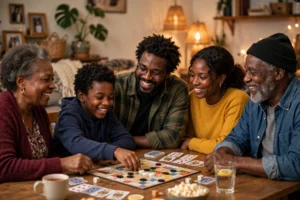
Family game night may sound simple, but simple traditions are often the ones children remember most. Sitting around a table with cards, dominoes, board games, puzzles, trivia, snacks, and plenty of laughter can create a space where generations connect without needing an expensive trip or elaborate event. Across the Black community, games have long been part of family gatherings, reunions, cookouts, holidays, church events, and neighborhood life. Dominoes hitting the table, cousins competing over cards, elders teaching younger relatives an old game, and families laughing over a close score are familiar memories in many households. Game nights can still play that role today. Families are often pulled in different directions by work, school, homework, sports, phones, gaming systems, television, and social media. Even when everyone is home, they may not actually be spending time together. A regular game night creates a reason to put some of those distractions aside and interact face to face. The goal is not to create a perfect evening. Someone may argue about the rules. A child may become frustrated after losing. A teenager may pretend they are too old to participate and then become the most competitive person in the room. Those moments can become part of the fun—and part of the learning. 1. Game Nights Create Time For Real Conversation Families often talk while doing something else. Game night creates that opportunity naturally. People may discuss school while shuffling cards, laugh about something that happened during the week, or tell stories between turns. The activity removes some of the pressure of sitting down specifically to “have a conversation.” This can be especially helpful with teenagers. A teen who gives one-word answers when asked directly about their day may become much more talkative during a relaxed game. Parents do not need to turn every game night into a serious discussion. The conversation itself is valuable. Families become closer partly by spending ordinary time together. 2. Friendly Competition Can Teach Children How To Lose Children need opportunities to experience disappointment in safe environments. Games provide one. Sometimes they win. Sometimes they lose. Sometimes someone gets lucky. Sometimes a carefully planned strategy fails. These moments teach emotional regulation. Parents can model good sportsmanship by congratulating the winner, laughing at mistakes, and avoiding overly aggressive competition. Children can learn that losing a game does not mean they are bad at everything. It simply means the game ended differently than they hoped. Learning how to lose gracefully is a useful life skill. 3. Winning Can Teach Humility Too Children also need to learn how to win appropriately. Celebrating is fine. Mocking other players is different. Parents can teach children to enjoy success without embarrassing someone who lost. A simple “good game” matters. These lessons apply far beyond the table. Sports, school, careers, business, and relationships all include moments when one person succeeds while another may be disappointed. Learning humility early helps children become more respectful competitors later. 4. Games Can Build Problem-Solving Skills Many games require strategy. Players may need to plan ahead, recognize patterns, remember information, calculate risk, negotiate, or adapt when someone else’s move changes the situation. Children practice thinking without feeling like they are doing schoolwork. A card game may involve probability. A board game may require planning. A puzzle may require visual reasoning. Trivia may strengthen memory and general knowledge. These activities make thinking enjoyable. Parents can resist giving children every answer immediately. Let them struggle a little. Problem-solving grows through practice. 5. Game Nights Can Help Reduce Passive Screen Time Screens are part of modern life, and families do not need to treat them as automatically bad. But many households want more balance. A family game night provides something concrete to do instead of simply telling children to put devices away. Phones can be placed in another room or set aside for part of the evening. That may feel strange at first. Over time, children may begin looking forward to the activity itself. The goal is not punishing screen use. It is reminding families that entertainment can also happen through direct interaction. 6. Elders Can Teach Games Younger Generations Have Never Played Older relatives may know games that younger family members have rarely seen. Dominoes, checkers, spades, bid whist, simple card games, word games, or other family favorites can become part of intergenerational learning. The elder gets to become the teacher. Children often enjoy seeing grandparents or older relatives become unexpectedly competitive. These moments can lead to stories. “When did you learn this?” “Who used to play with you?” “Did your family always play during holidays?” A game can open the door to family history. 7. Games Can Preserve Cultural Traditions Certain games become strongly connected to family and community gatherings. Children may remember hearing dominoes slap against a table at reunions or watching adults play cards long before they were old enough to join. Teaching younger generations keeps those traditions alive. Families can explain the history of the games they play and how they became part of community life. This turns recreation into cultural memory. The rules matter, but so does the story surrounding them. 8. Children Can Learn Math Without Realizing It Games frequently involve numbers. Players count points, handle play money, calculate scores, recognize sequences, estimate odds, or keep track of totals. For younger children, this is practical math. A child who does not enjoy worksheets may happily add points because they want to know who is winning. Parents can let children help keep score. Older children can calculate percentages, averages, or more complicated scoring depending on the game. Learning does not always need to look like school. Sometimes it looks like trying to beat Dad by three points. 9. Word Games Can Support Vocabulary Games involving words, clues, storytelling, spelling, or categories can strengthen language skills. Children may encounter words they have never heard. Teens may learn how quickly they can communicate an idea. Adults may discover that Grandma knows far more obscure vocabulary than anyone expected. Families can

Read More »
Recreation-Blog
Muhammed Wasim

Why Family Game Nights Matter More Than Ever For Black Families.

Family life can move quickly. Parents are working, children are busy with school, teenagers are connected to their phones, and everyone may be balancing responsibilities that leave little time for relaxed conversation. Even when families live under the same roof, it is possible to feel disconnected. That is why simple traditions matter. A family game night may not seem like a major event, but it can become one of the easiest ways to slow down, laugh together, and create memories at home. Whether the family plays cards, board games, trivia, puzzles, charades, dominoes, or a homemade game, the real purpose is not only to win. The purpose is connection. For Black families, game nights can also become a way to pass down stories, build confidence in children, celebrate culture, and protect family joy during busy or stressful seasons. 1. Family Game Night Creates Time To Slow Down. Many families spend their days moving from one responsibility to the next. Work, school, homework, errands, appointments, sports, and household tasks can fill the schedule quickly. Game night creates a reason to pause. For one evening, the family can sit together without rushing. The phones can be placed to the side. The television can be turned off. The focus can shift from responsibilities to relationships. Even one hour can make a difference. The goal does not have to be a perfectly planned event. It can be as simple as choosing one game, making popcorn, and gathering around the kitchen table. A small pause in the week can help the family feel connected again. 2. Laughter Helps Release Stress. Families carry stress in different ways. Parents may feel pressure from work, finances, or caregiving. Children may feel pressure from school, friendships, or social media. Teenagers may carry emotions they do not always know how to explain. Laughter can help release some of that pressure. A funny answer during charades, a surprising card in a game, or a playful family competition can shift the atmosphere in the room. It gives everyone permission to relax. Joy is not a distraction from real life. It is part of how families stay strong during real life. A home filled with laughter can become a place where people feel safe enough to breathe. 3. Games Help Children Build Confidence. Games give children opportunities to think, speak, make decisions, and take healthy risks in a safe environment. A child may need to answer a question, explain a strategy, read a card aloud, solve a puzzle, or make a choice. These moments can help build communication skills and confidence. Children also learn that mistakes are part of the process. They may lose a round, misunderstand a rule, or try a strategy that does not work. With encouragement, they learn to try again without feeling embarrassed. Parents can help by praising effort, patience, and good sportsmanship instead of focusing only on who wins. Confidence grows when children feel supported while they learn. 4. Game Night Can Reduce Screen Time Naturally. Many parents want children to spend less time on phones, tablets, games, and social media. But simply telling children to put devices away may create conflict if there is no alternative activity. Family game night gives everyone something enjoyable to do together. The goal is not to treat technology like the enemy. Devices can be useful and fun. But families also need time for face-to-face connection, conversation, and shared experiences. A weekly screen-free game night can create balance without making children feel punished. It replaces scrolling with laughter and isolation with interaction. 5. Games Teach Important Life Skills. Recreation can also be educational. Many games teach skills that children can use in everyday life: Card games can teach counting, strategy, and patience. Trivia can build knowledge and curiosity. Word games can strengthen vocabulary. Puzzles can teach problem-solving. Team games can build cooperation. Charades can encourage creativity and communication. Board games can teach planning and decision-making. Children may not realize they are learning because they are having fun. That is part of what makes game night powerful. Learning does not always have to feel like homework. 6. Family Traditions Give Children A Sense Of Belonging. Children remember repeated moments. They may forget what happened on a random Tuesday, but they may remember Friday card nights, Sunday afternoon dominoes, holiday trivia games, or the way Grandpa always told the same funny story during a game. Traditions help children feel rooted. They create a sense of belonging and give the family something to look forward to. They also become memories that children may carry into adulthood and recreate with their own families one day. The tradition does not need to be expensive or elaborate. Consistency is more important than perfection. 7. Games Can Help Bridge Generations. Family game nights are especially meaningful when elders are included. Grandparents, aunts, uncles, and older relatives may have favorite games that younger family members have never played. Dominoes, spades, checkers, word games, and trivia can open the door to stories and friendly competition. Young people may also introduce adults to newer games. This creates a healthy exchange between generations. An elder may teach a child a classic card game. A teenager may teach a grandparent a new trivia app. A younger child may invent a simple game with their own rules. Everyone has something to contribute. 8. Friendly Competition Can Teach Respect. Winning feels good, but losing is part of life. Game night gives families a safe place to practice good sportsmanship. Children can learn how to celebrate without bragging, lose without becoming disrespectful, and follow rules even when the result is disappointing. Adults should model this too. If parents argue over rules or become overly competitive, children may copy that behavior. But when adults laugh, stay patient, and congratulate others, children learn that competition can be healthy. The goal is not to remove competition. The goal is to teach respect. 9. Game Night Can Reflect Culture And Family History. Families can make game night more personal by

Read More »
Skip to content