We’re hiring passionate Mentors, Tutors, Program Coordinators & Security Officers to empower youth in Maryland, Washington D.C., Virginia Apply now and make a difference!
Life Youth Mentorship & Tutoring (LYMT) – Second Batch Now Open!
After successfully completing our first year LYMT program, we’re excited to welcome our second batch of students! Led by college educated mentors & tutors, LYMT offers academic support, life skills, STEM tutoring, and enriching activities to help youth excel.
Special Offer: Enroll now for just $200/month (was $250) – limited seat only! (Click here)

Day: June 24, 2026

Business-Blog
Muhammed Wasim

Why Supporting Black-Owned Small Businesses Strengthens The Whole Community.

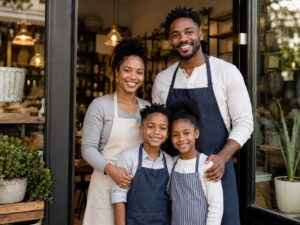
Supporting Black-owned small businesses is about more than buying a product or paying for a service. It is about helping families grow, keeping money moving inside the community, creating opportunities for young people, and honoring the courage it takes to build something from the ground up. Every small business has a story behind it, and many Black-owned businesses carry stories of sacrifice, creativity, faith, hard work, and the desire to serve the people around them. In many communities, small businesses are not only places where people shop. They are gathering spaces, meeting points, sources of advice, places where children see adults working with purpose, and examples of what ownership can look like. A restaurant may become a place where families celebrate birthdays and graduations. A barbershop may become a space where young men receive guidance. A beauty salon may become a place where women share encouragement, resources, and community news. A clothing brand, food vendor, tutoring service, cleaning company, daycare, trucking business, consulting firm, or home-based business may quietly support several families at once. For Black families, supporting local and Black-owned businesses is one practical way to invest in the future. It helps build economic strength, but it also builds pride, connection, and possibility. When children see people from their own community owning businesses, solving problems, serving customers, and creating jobs, they begin to understand that entrepreneurship is not a distant dream. It becomes something they can see, touch, learn from, and maybe one day build for themselves. 1. Black-Owned Businesses Create More Than Income. A Black-owned small business often begins with a person trying to solve a problem, meet a need, or create a better future for their family. The business may start at a kitchen table, in a garage, on a laptop, at a local market, or through word of mouth. It may begin with one skill, one recipe, one idea, one talent, or one service that the owner believes can help others. The money earned from that business does not only support the owner. It may help pay rent, buy groceries, cover school supplies, support children’s activities, care for elders, fund college dreams, or keep a household stable. In many cases, the business becomes a family effort. Children help pack orders, spouses help with bookkeeping, cousins help at events, and friends help spread the word. The business becomes part of the family’s daily life. This is why every purchase matters. When a customer buys from a small Black-owned business, that support may help a family stay open another month, hire help, improve equipment, pay for marketing, or expand into a larger space. It may seem like a simple transaction, but to the owner, it can represent belief, encouragement, and community trust. Black-owned businesses also create emotional income in the form of pride and confidence. When an entrepreneur sees that the community believes in their work, it strengthens their motivation to keep going. Many small business owners face long hours, financial stress, paperwork, taxes, customer service challenges, and uncertainty. Community support reminds them that their work matters beyond profit. 2. Community Support Helps Build Local Wealth. Wealth-building does not happen only through large companies or major investments. It also happens through everyday decisions about where people spend money, who they hire, whose services they recommend, and which businesses they help grow. When more money circulates inside the community, more families have a chance to benefit from it. Supporting Black-owned businesses can help strengthen local economic networks. A business owner may hire a local graphic designer, accountant, photographer, event planner, delivery driver, contractor, or assistant. That same owner may sponsor a youth team, donate to a school event, buy food from another local vendor, or partner with a community organization. One business can create many small connections that support other people. This kind of community economics is important because many Black families have faced generations of barriers to wealth-building, including discrimination in lending, housing, employment, education, and business ownership. Supporting Black-owned businesses does not solve every economic challenge, but it is one practical way to help create stronger financial pathways. When families intentionally support businesses in their own community, they are doing more than spending money. They are helping build a local ecosystem where ownership, employment, mentorship, and opportunity can grow together. Over time, these choices can help create a stronger foundation for the next generation. 3. Black-Owned Businesses Give Young People Real Examples Of Ownership. Young people need to see examples of ownership close to home. It is one thing to tell a child they can become an entrepreneur. It is another thing for that child to walk into a local business and see someone who looks like them running the operation, greeting customers, managing staff, solving problems, and making decisions. These real-life examples can change how young people imagine their future. A child who sees a Black-owned bookstore may begin to think about writing. A teen who visits a Black-owned restaurant may become curious about culinary arts. A young person who watches a family member run a cleaning business, clothing brand, landscaping company, or online store may begin to understand that business ownership is possible with planning, discipline, and support. Small businesses can also become informal classrooms. Young people can learn customer service, communication, budgeting, marketing, time management, leadership, and problem-solving by watching business owners work. Even a simple conversation with an entrepreneur can teach a young person something valuable about responsibility and persistence. For Black youth, this kind of exposure matters because it helps expand their vision. They learn that success does not have to fit only one path. College, trades, entrepreneurship, creative work, professional careers, and community service can all be part of a meaningful future. When young people see ownership in action, they begin to understand that they can build, lead, and contribute in their own way. 4. Small Businesses Often Carry Culture And Community Memory. Many Black-owned businesses are also cultural spaces. They carry traditions, stories, flavors, music, language, fashion, beauty practices,
Read More »
Business-Blog
Akukulu

How Black Family-Owned Businesses Can Build A Stronger Local Brand.

A family-owned business carries something special. It is not only a product, service, logo, or storefront. It often carries a family story, a dream, a sacrifice, and a desire to build something that can serve others. For many Black families, a business can become more than income. It can become legacy. It can create jobs, teach children responsibility, support the community, and show the next generation what ownership looks like. But even a great business needs a strong brand. A brand is not just colors or a nice design. A brand is what people remember about the business. It is how customers feel when they interact with it. It is the trust built through service, consistency, communication, and care. A strong local brand helps people understand who you are, what you offer, and why supporting your business matters. 1. Start With The Family Story. Every family-owned business has a beginning. Maybe the business started at a kitchen table. Maybe it began after someone lost a job and decided to create their own opportunity. Maybe it grew from a skill passed down through generations. Maybe a parent wanted to build something their children could one day inherit. That story matters. Customers often connect with people before they connect with products. When they understand the heart behind the business, they are more likely to remember it and support it. A family-owned business can share: Why the business started. Who inspired it. What problem it solves. What values guide it. How the family works together. What the business hopes to build for the community. The story does not need to sound perfect. It needs to sound honest. 2. Make The Message Clear. A strong brand needs a clear message. Customers should be able to quickly understand what the business does and who it helps. If the message is confusing, people may not know why they should choose the business. A clear message might answer: What do we offer? Who do we serve? What makes us different? What problem do we help solve? Why should people trust us? For example, a family-owned catering business may say, “We provide homemade meals for family events, church gatherings, and community celebrations.” A tutoring business may say, “We help students build confidence in reading and math with patient, family-centered support.” Simple language is powerful. Clear beats complicated. 3. Be Consistent Everywhere. Consistency helps people remember a business. The business name, logo, colors, photos, tone, and message should feel connected across the website, social media, flyers, business cards, signs, and emails. This does not mean everything must look expensive. It means everything should feel organized and recognizable. Customers should not feel like they are seeing a different business every time they visit a page or receive a message. Consistency builds trust. It tells people, “This business is serious, organized, and ready to serve.” 4. Use Real Photos When Possible. Real photos can make a local business feel more personal. Customers like seeing the people behind the work. They may connect with the owner, family members, staff, workspace, products, events, and customer experiences. A family-owned business can share photos of: The founder. Family members working together. Products being prepared. Customers being served. Community events. Behind-the-scenes moments. Before-and-after examples. The storefront or workspace. Photos should feel warm, respectful, and authentic. People support businesses they feel connected to. Real images can help create that connection. 5. Build Trust Through Good Service. Branding is not only what people see online. It is also what they experience in real life. A beautiful logo cannot replace poor service. A strong social media page cannot cover rude communication, late responses, missed orders, or unclear policies. Good service is one of the strongest branding tools. Customers remember when a business treats them with respect. They remember when communication is clear. They remember when a problem is handled with care. They remember when a business keeps its word. Trust grows when the experience matches the message. 6. Ask Customers For Reviews. Reviews help people feel confident before they buy. Many customers check reviews before choosing a business, especially if they are trying it for the first time. Family-owned businesses should not be afraid to ask satisfied customers for support. A simple message can say: “Thank you for supporting our family business. If you were happy with your experience, we would appreciate a short review.” Reviews can be shared on Google, Facebook, the website, or social media. Positive reviews become proof that the business is serving people well. They also help new customers feel safer choosing the business. 7. Show Community Involvement. Black family-owned businesses are often deeply connected to community life. They may support schools, churches, youth sports, local events, family celebrations, neighborhood projects, and community organizations. That involvement should be shared. Not to brag, but to show values. Customers want to know that a business cares about more than sales. A business can share: Local events it supports. Community partnerships. Youth mentorship. Donations. Workshops. Family-centered events. Customer appreciation days. Local collaborations. Community involvement helps a business become part of people’s lives, not just a place where they spend money. 8. Tell Customers What To Do Next. Sometimes customers like a business but do not know what step to take. Should they call? Book online? Visit the store? Send a message? Order through the website? Join a list? Attend an event? Every post, flyer, email, and website page should make the next step clear. Examples include: Call today to book. Visit us this weekend. Order online. Message us for details. Join our email list. Stop by the shop. Schedule a consultation. Share this with a friend. A clear call to action helps turn interest into support. Do not make customers guess. 9. Let Children And Young People Learn From The Business. A family-owned business can become a classroom. Children and teens can learn customer service, budgeting, marketing, creativity, responsibility, communication, and problem-solving by watching the business operate. Even small roles can teach important lessons. A young person

Read More »
Youth Mental Health
Muhammed Wasim

Why Safe Spaces Matter For Black Youth Mental Health.

Black youth are growing up in a world that asks a lot from them. They are expected to do well in school, behave properly in public, represent their families with pride, protect their image online, make good decisions, prepare for the future, and stay strong even when life feels heavy. Many young people carry pressure that adults do not always see, and because they may not know how to explain what they are feeling, their pain can show up as silence, anger, withdrawal, jokes, tiredness, attitude, or simply pretending that everything is fine. This is why safe spaces matter so much. A safe space is not only a building, a classroom, a church room, or a community center. A safe space is any place where a young person feels respected, listened to, protected, and free enough to be honest. It is a place where they do not have to perform strength every second of the day. It is a relationship where they know their voice will not be ignored, their feelings will not be mocked, and their struggles will not be used against them later. For Black families and communities, creating safe spaces is an act of love, protection, and healing. It helps young people understand that their emotions matter and that they are not alone. It gives parents, mentors, teachers, coaches, elders, and community leaders a better chance to notice when something is wrong and offer support before the pain becomes too heavy. Safe spaces do not remove every problem from a young person’s life, but they give them a place to breathe, speak, process, and receive care. Safe Spaces Help Young People Feel Seen And Valued. One of the deepest needs a young person has is the need to feel seen. Many teenagers are surrounded by people every day, but still feel invisible. They may attend school, participate in activities, sit at the dinner table, help around the house, go to church, spend time with relatives, or show up at community events, yet still feel like nobody really knows what they are carrying inside. When young people do not feel seen, they may begin to believe that their emotions are not important or that they only matter when they are achieving something. A safe space helps change that message. It tells a young person that they matter beyond their grades, their talent, their appearance, their behavior, or their ability to make adults proud. They matter because they are part of a family and a community. They matter because they are human. Their questions, fears, dreams, confusion, and emotions deserve attention, even when those feelings are difficult to understand. When adults make time to listen without rushing, young people begin to feel that their inner world has value. This is especially important for Black youth because many grow up hearing that they have to be strong. Strength can be a beautiful and necessary quality, especially in families that have survived hardship, racism, loss, financial pressure, and community challenges. But young people also need to know that strength does not mean hiding every emotion. They need to know that being tired does not make them weak, being sad does not make them ungrateful, and needing help does not mean they have failed. When a young person feels seen, they are more likely to speak honestly. They may not open up all at once, and they may not have perfect words for what they are feeling, but they are more likely to trust the adults around them. That trust can become the beginning of healing. Sometimes the most powerful thing an adult can say is, “I see you. I notice you. I care about what is happening with you.” Safe Spaces Teach Young People That Feelings Are Not Weakness. In many Black families, survival has required emotional strength for generations. Parents and grandparents may have learned to keep going no matter what, to pray through pain, to work hard even when exhausted, and to carry family responsibilities without complaint. Those lessons often come from love and experience, but sometimes young people receive the message that emotions should be hidden instead of understood. Safe spaces help young people learn that feelings are not weakness. Sadness, anxiety, fear, grief, disappointment, embarrassment, and confusion are all part of being human. When young people are taught to ignore every uncomfortable feeling, they may not learn how to process those feelings in healthy ways. They may bottle things up until the pressure comes out through anger, isolation, disrespect, risky choices, or emotional shutdown. Adults can help by changing the way emotional conversations happen at home and in the community. Instead of saying, “Stop being so sensitive,” a parent might say, “Tell me what made you feel that way.” Instead of saying, “You have nothing to be stressed about,” a mentor might say, “Stress can feel heavy at any age. Let’s talk about what is going on.” These small changes in language can help young people feel safe enough to explain themselves. Teaching emotional honesty does not mean allowing disrespect or removing boundaries. Young people still need guidance, correction, and accountability. But correction works better when it is connected to care. A young person who feels emotionally safe is more likely to receive guidance because they do not feel attacked. They can begin to understand that feelings are not excuses for harmful behavior, but they are important signals that deserve attention. Safe Spaces Give Youth Room To Talk Without Fear. Many young people stay quiet because they are afraid of what will happen if they tell the truth. They may worry that their parents will yell, that adults will overreact, that private conversations will be repeated, or that their feelings will be dismissed as drama. Some young people have tried to open up before and were met with judgment, sarcasm, or punishment, so they learned to keep things inside. A safe space gives young people room to talk without fear. This does not mean every conversation

Read More »
Skip to content