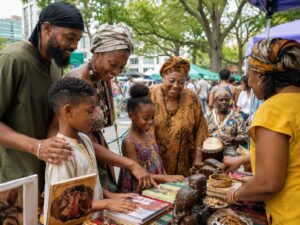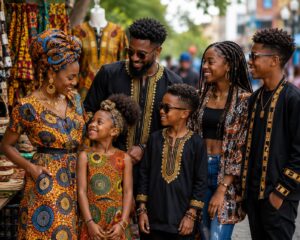

How Cultural Fashion Builds Confidence Across The Black Community.
Fashion is more than what someone wears. It can be a form of self-expression, cultural memory, family pride, creativity, confidence, and identity. Across the Black community, fashion has always carried meaning. Clothing, hairstyles, colors, fabrics, jewelry, headwraps, shoes, church outfits, school clothes, uniforms, festival wear, professional style, and everyday personal choices can all say something about who people are, where they come from, and how they want to show up in the world. Cultural fashion is powerful because it helps people connect the outside appearance with the inner story. A person may wear African prints to honor heritage, a headwrap to express beauty and tradition, a sharp suit to show dignity and professionalism, a church hat connected to family memories, a hairstyle that celebrates natural texture, or jewelry made by a local designer. These choices can carry personal meaning even when they look simple to someone else. For children and teens, fashion can play an important role in confidence. Young people are constantly receiving messages about beauty, popularity, body image, hair, skin tone, style, and belonging. Some of those messages can be encouraging, but others can create pressure or insecurity. When families teach children to understand cultural style with pride, young people can begin to see themselves with more respect. They learn that their features, hair, creativity, and heritage are not things to hide. They are part of their identity. Cultural fashion should not be about forcing one look on everyone. The Black community is diverse, and style can look different from family to family. Some people love bold prints and bright colors. Some prefer classic, simple clothing. Some express culture through hair. Some express it through accessories, shoes, art, or handmade pieces. What matters is that families understand fashion as one way to celebrate dignity, creativity, and self-respect. 1. Cultural Fashion Helps People Tell Their Story. Every person has a story, and fashion can help tell part of it. A family may have clothing traditions connected to church, holidays, graduations, weddings, reunions, cultural festivals, or family photos. An elder may remember dressing up for Sunday service. A parent may remember a special outfit worn for a milestone. A child may remember the first time they wore something that made them feel proud. These memories show that fashion is often connected to important moments in life. Cultural fashion can also tell stories about ancestry and community. African prints, Caribbean colors, Afrocentric jewelry, natural hairstyles, headwraps, handwoven fabrics, locally designed clothing, and family heirlooms can all connect people to a larger cultural story. A bracelet, scarf, dress, jacket, or necklace may become a conversation starter that allows someone to explain where it came from or why it matters. Parents and caregivers can help children understand this by talking about clothing with meaning. Instead of treating outfits only as appearance, they can ask what certain colors, patterns, or styles represent. They can explain why a family member wears certain pieces during special events or why a particular hairstyle carries pride. These conversations help children see fashion as part of culture. When young people understand that style can tell a story, they may become more thoughtful about how they present themselves. They learn that clothing is not only about trends. It can also reflect values, memory, creativity, and confidence. 2. Hair Is A Powerful Part Of Cultural Identity. Hair is one of the most personal parts of identity. Across the Black community, hair can carry beauty, creativity, history, protection, care, style, and cultural pride. Braids, twists, locs, afros, curls, fades, waves, cornrows, silk presses, headwraps, bantu knots, protective styles, and natural textures all reflect a wide range of expression. For many families, hair care is also connected to bonding, patience, and tradition. Children often develop feelings about their hair early. If they hear negative comments about texture, length, darkness, shrinkage, or style, they may begin to feel insecure. If they hear affirming words and see their hair treated with care, they are more likely to grow in confidence. Families have a powerful role in shaping how children feel about their natural beauty. Hair time can become more than grooming. It can become connection time. A parent braiding a child’s hair, an elder sharing hair care wisdom, a barber encouraging a young boy, or a stylist helping a teen feel confident can all become meaningful experiences. These moments teach children that their hair deserves care and respect. It is also important to teach children that there is no single correct way to wear their hair. Healthy self-expression can include many styles. The goal is not to judge one another’s choices, but to help children understand that their hair is valuable and worthy of dignity in every form. 3. Fashion Can Help Children Build Confidence. Children and teens often use clothing to explore who they are. They may want to choose colors, shoes, accessories, hairstyles, or outfits that reflect their personality. This can be a healthy part of development when guided with respect and boundaries. Fashion can help young people feel more confident, creative, and comfortable in their own skin. Confidence grows when children are allowed to express themselves in age-appropriate ways. A child who chooses a favorite color, helps pick an outfit for a family event, or wears a culturally meaningful accessory may feel proud. A teen who learns how to dress for school, interviews, community events, or special occasions may feel more prepared and self-assured. Families can support this by teaching style with purpose. Children can learn that different settings may call for different clothing. What is appropriate for a picnic may be different from what is appropriate for a school program, church service, interview, cultural event, or formal ceremony. This teaches discernment without crushing individuality. Fashion should help children feel confident, not pressured. Parents and caregivers can encourage young people to dress with self-respect, comfort, and creativity while reminding them that their worth is deeper than appearance. Confidence is strongest when style supports identity instead of becoming the only measure of