

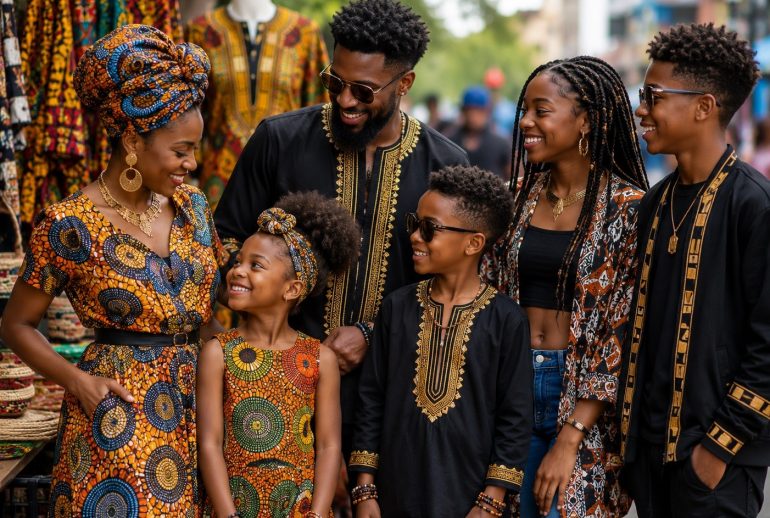
Fashion is more than what someone wears. It can be a form of self-expression, cultural memory, family pride, creativity, confidence, and identity. Across the Black community, fashion has always carried meaning. Clothing, hairstyles, colors, fabrics, jewelry, headwraps, shoes, church outfits, school clothes, uniforms, festival wear, professional style, and everyday personal choices can all say something about who people are, where they come from, and how they want to show up in the world.
Cultural fashion is powerful because it helps people connect the outside appearance with the inner story. A person may wear African prints to honor heritage, a headwrap to express beauty and tradition, a sharp suit to show dignity and professionalism, a church hat connected to family memories, a hairstyle that celebrates natural texture, or jewelry made by a local designer. These choices can carry personal meaning even when they look simple to someone else.
For children and teens, fashion can play an important role in confidence. Young people are constantly receiving messages about beauty, popularity, body image, hair, skin tone, style, and belonging. Some of those messages can be encouraging, but others can create pressure or insecurity. When families teach children to understand cultural style with pride, young people can begin to see themselves with more respect. They learn that their features, hair, creativity, and heritage are not things to hide. They are part of their identity.
Cultural fashion should not be about forcing one look on everyone. The Black community is diverse, and style can look different from family to family. Some people love bold prints and bright colors. Some prefer classic, simple clothing. Some express culture through hair. Some express it through accessories, shoes, art, or handmade pieces. What matters is that families understand fashion as one way to celebrate dignity, creativity, and self-respect.
1. Cultural Fashion Helps People Tell Their Story.
Every person has a story, and fashion can help tell part of it. A family may have clothing traditions connected to church, holidays, graduations, weddings, reunions, cultural festivals, or family photos. An elder may remember dressing up for Sunday service. A parent may remember a special outfit worn for a milestone. A child may remember the first time they wore something that made them feel proud. These memories show that fashion is often connected to important moments in life.
Cultural fashion can also tell stories about ancestry and community. African prints, Caribbean colors, Afrocentric jewelry, natural hairstyles, headwraps, handwoven fabrics, locally designed clothing, and family heirlooms can all connect people to a larger cultural story. A bracelet, scarf, dress, jacket, or necklace may become a conversation starter that allows someone to explain where it came from or why it matters.
Parents and caregivers can help children understand this by talking about clothing with meaning. Instead of treating outfits only as appearance, they can ask what certain colors, patterns, or styles represent. They can explain why a family member wears certain pieces during special events or why a particular hairstyle carries pride. These conversations help children see fashion as part of culture.
When young people understand that style can tell a story, they may become more thoughtful about how they present themselves. They learn that clothing is not only about trends. It can also reflect values, memory, creativity, and confidence.
2. Hair Is A Powerful Part Of Cultural Identity.
Hair is one of the most personal parts of identity. Across the Black community, hair can carry beauty, creativity, history, protection, care, style, and cultural pride. Braids, twists, locs, afros, curls, fades, waves, cornrows, silk presses, headwraps, bantu knots, protective styles, and natural textures all reflect a wide range of expression. For many families, hair care is also connected to bonding, patience, and tradition.
Children often develop feelings about their hair early. If they hear negative comments about texture, length, darkness, shrinkage, or style, they may begin to feel insecure. If they hear affirming words and see their hair treated with care, they are more likely to grow in confidence. Families have a powerful role in shaping how children feel about their natural beauty.
Hair time can become more than grooming. It can become connection time. A parent braiding a child’s hair, an elder sharing hair care wisdom, a barber encouraging a young boy, or a stylist helping a teen feel confident can all become meaningful experiences. These moments teach children that their hair deserves care and respect.
It is also important to teach children that there is no single correct way to wear their hair. Healthy self-expression can include many styles. The goal is not to judge one another’s choices, but to help children understand that their hair is valuable and worthy of dignity in every form.
3. Fashion Can Help Children Build Confidence.
Children and teens often use clothing to explore who they are. They may want to choose colors, shoes, accessories, hairstyles, or outfits that reflect their personality. This can be a healthy part of development when guided with respect and boundaries. Fashion can help young people feel more confident, creative, and comfortable in their own skin.
Confidence grows when children are allowed to express themselves in age-appropriate ways. A child who chooses a favorite color, helps pick an outfit for a family event, or wears a culturally meaningful accessory may feel proud. A teen who learns how to dress for school, interviews, community events, or special occasions may feel more prepared and self-assured.
Families can support this by teaching style with purpose. Children can learn that different settings may call for different clothing. What is appropriate for a picnic may be different from what is appropriate for a school program, church service, interview, cultural event, or formal ceremony. This teaches discernment without crushing individuality.
Fashion should help children feel confident, not pressured. Parents and caregivers can encourage young people to dress with self-respect, comfort, and creativity while reminding them that their worth is deeper than appearance. Confidence is strongest when style supports identity instead of becoming the only measure of value.
4. Cultural Clothing Connects Families To Heritage.
Cultural clothing can help families feel connected to heritage in a visible and joyful way. African prints, Caribbean-inspired colors, traditional garments, embroidered fabrics, handmade jewelry, headwraps, and modern Afrocentric designs can all help families celebrate identity. Wearing these pieces during festivals, family gatherings, weddings, church events, school programs, or photo sessions can create strong memories.
Children often remember special clothing. They may remember wearing a bright outfit to a cultural celebration, seeing elders dressed beautifully, or taking a family photo in coordinated colors. These moments help heritage feel alive. Culture becomes something they can see, touch, wear, and remember.
Families can explain the meaning behind cultural clothing. They might talk about where a fabric style comes from, why certain colors are chosen, who made the outfit, or what event it was worn for. If the family does not know the full history, they can learn together. This teaches curiosity and respect.
Cultural clothing does not have to be worn only on special occasions. Some families may include cultural accessories or patterns in everyday style. A scarf, necklace, bracelet, bag, jacket, or shirt can become a small but meaningful way to keep heritage present.
5. Local Designers And Artists Help Keep Culture Visible.
Local designers, seamstresses, tailors, jewelry makers, barbers, stylists, photographers, makeup artists, and fashion creatives help keep culture visible. They turn ideas into clothing, accessories, images, and styles that reflect community beauty and creativity. Supporting them is one way families can support both culture and local economics.
A local designer may create clothing inspired by African Diaspora patterns. A jewelry maker may use materials connected to heritage. A barber may help young men feel confident through a clean cut. A stylist may help someone prepare for a major life event. A photographer may capture family style in a way that becomes part of family memory. These creative workers help people see themselves with dignity.
Children and teens benefit from seeing local fashion creatives. They learn that creativity can become a skill, service, business, or career. A young person who loves drawing clothes, styling outfits, doing hair, taking photos, or designing accessories may begin to imagine a future in fashion, beauty, art, or entrepreneurship.
Families can support local creatives by buying when possible, sharing their work, leaving reviews, attending markets, booking services, and recommending them to others. Cultural fashion grows stronger when the community values the people who create it.
6. Fashion Teaches Children About Presentation And Self-Respect.
How people present themselves can affect how they feel and how they move through different spaces. Children and teens need to learn that clothing is not about trying to impress everyone, but it can be part of self-respect and preparation. Dressing with care can help a young person feel ready for school, interviews, presentations, ceremonies, community events, and leadership opportunities.
Parents and caregivers can teach children how to care for clothes, choose appropriate outfits, keep shoes clean, prepare for special events, and understand dress expectations. These lessons are practical life skills. They help young people show up with confidence and responsibility.
This should be taught without shame. Not every family has the same clothing budget, and children should never be made to feel less valuable because of brands or trends. Self-respect is not about expensive clothing. A clean, neat, thoughtful appearance can communicate care regardless of cost.
Families can also teach children not to judge others harshly by clothing. Some people have limited resources, different tastes, or different cultural expressions. Presentation matters, but compassion matters too. The goal is to teach both confidence and humility.
7. Fashion Can Create Intergenerational Connection.
Fashion often brings generations together. Elders may have stories about how people dressed for church, school, work, dances, weddings, or family photos. Parents may remember styles from their youth. Teens may introduce new trends. Children may ask questions about old pictures. These conversations can create laughter, storytelling, and connection.
Looking through family photos can be a meaningful activity. Children can see hairstyles, clothing, shoes, jewelry, and formal outfits from earlier generations. They may notice how style changed over time and ask about the people in the pictures. This can open conversations about family history, migration, work, celebrations, and cultural pride.
Elders can also teach practical skills. Sewing, ironing, polishing shoes, tying a headwrap, caring for fabrics, grooming, or choosing outfits for special occasions can become ways to pass down wisdom. These skills may seem small, but they carry memory and discipline.
Fashion gives families a way to connect past and present. A young person may wear a grandparent’s necklace, recreate an old family photo, or learn how to care for a special garment. These moments help keep family history alive.
8. Cultural Fashion Can Support Body Confidence.
Body confidence is an important part of emotional wellness. Many young people and adults feel pressure to look a certain way. Social media, advertising, entertainment, and peer comparison can make people feel insecure about body size, skin tone, hair texture, facial features, height, or shape. Cultural fashion can support body confidence when it celebrates beauty in diverse forms.
Clothing should help people feel comfortable, dignified, and expressive. Families can teach children that style is not only for one body type or one beauty standard. People of all sizes, shades, ages, and features deserve clothing that makes them feel respected and confident.
Parents and caregivers should be careful with comments about bodies. Words spoken at home can stay with children for years. Instead of criticizing bodies, families can focus on health, comfort, self-care, and confidence. A child should not feel that their body must be changed before they deserve to dress well or feel proud.
Cultural fashion can remind people that beauty has always existed in many forms across the African Diaspora. The richness of style, fabric, hair, and adornment reflects a wide range of beauty. That message can help protect confidence.
9. Fashion And Travel Can Work Together Through Cultural Experiences.
Travel often gives families opportunities to experience cultural fashion in deeper ways. A visit to a cultural market, festival, museum, heritage site, fashion show, local boutique, or artist vendor table can expose children to styles they may not see every day. These experiences help families understand how fashion connects to place, history, and community.
In the DMV and beyond, families may encounter African Diaspora fashion through festivals, pop-up shops, cultural celebrations, art events, and local businesses. A child may see headwraps, handmade jewelry, traditional garments, modern streetwear, custom designs, or formal cultural attire. These experiences can spark curiosity.
Families can ask vendors or designers respectful questions about their work. What inspired this piece? Where does this pattern come from? How did you learn this craft? What materials are used? These conversations help children see fashion as art, business, and cultural storytelling.
Bringing home a small accessory or taking a family photo at an event can help preserve the memory. Fashion becomes part of the travel experience and part of the family story.
10. Personal Style Can Be Creative Without Losing Respect.
Young people often want to experiment with style. They may try new colors, hairstyles, shoes, accessories, or clothing combinations. This creativity can be healthy when guided with balance. Personal style allows youth to explore identity, confidence, and individuality.
Adults may not always understand every trend, but they can still guide with respect. Instead of immediately dismissing a young person’s style, they can ask what they like about it, where the idea came from, and how it makes them feel. This opens conversation and gives adults a chance to teach wisdom without shutting the child down.
At the same time, families can set standards around modesty, appropriateness, school rules, safety, and respect for different settings. Children need guidance, but guidance works better when it includes explanation. A teen is more likely to understand boundaries when they know the reason behind them.
Creative style and respect can work together. Young people can express themselves while also learning how to adapt to different environments. This balance helps them grow in confidence and maturity.
11. Cultural Fashion Can Support Community Pride.
When people show up in culturally meaningful style, it can create a sense of pride in the community. At festivals, family reunions, church services, graduation ceremonies, markets, weddings, and public events, fashion can help people feel connected to one another. Colors, fabrics, hairstyles, and accessories can create a shared atmosphere of celebration and identity.
Community pride grows when people see their culture represented with beauty and dignity. Children watching adults dress with confidence may learn that their heritage is something to honor. Teens may feel more willing to embrace cultural expression when they see it celebrated publicly.
Fashion can also help local events feel more vibrant. Cultural markets, heritage days, school programs, and community celebrations often become more memorable when people dress intentionally. Clothing becomes part of the event’s energy and storytelling.
Community pride does not require everyone to dress the same way. It simply invites people to show up with respect, creativity, and confidence. When cultural style is welcomed, the whole community feels more alive.
12. Fashion Becomes More Meaningful When It Is Connected To Values.
Fashion is most powerful when it is connected to values. Style can reflect dignity, creativity, heritage, modesty, professionalism, joy, respect, faith, family memory, entrepreneurship, and cultural pride. Without values, fashion can become only comparison or pressure. With values, it becomes a tool for expression and confidence.
Families can help children understand the difference. They can teach that clothing does not determine a person’s worth, but it can reflect care. They can teach that trends come and go, but self-respect remains. They can teach that cultural pieces should be worn with understanding, not only because they look nice. These lessons help children approach style with thoughtfulness.
Fashion can also reflect community responsibility. Supporting local designers, respecting handmade work, caring for clothing, avoiding waste, and dressing appropriately for important moments are all ways fashion connects to character. Style can be beautiful and meaningful at the same time.
When families connect fashion to values, young people learn to dress with confidence and purpose. They understand that what they wear can be creative, personal, and rooted in something deeper.
Conclusion.
Cultural fashion builds confidence across the Black community because it connects style with identity, heritage, creativity, and self-respect. Clothing, hair, accessories, fabrics, colors, and personal presentation can help children and adults feel proud of who they are and connected to the stories that shaped them.
Families do not need expensive clothing or perfect outfits to celebrate cultural fashion. They can begin with one meaningful accessory, one family photo, one conversation about hair, one local designer supported, one cultural market visit, or one story from an elder about style in earlier generations. Small moments can help children understand that fashion is not only about appearance. It is also about memory, dignity, and pride.
When cultural fashion is celebrated with balance and respect, it helps young people build confidence without losing humility. It teaches that beauty is diverse, heritage is valuable, creativity matters, and every person deserves to show up in the world with dignity.
Akukulu Family encourages families and community members to celebrate cultural fashion in one meaningful way this month. Support a local designer, talk with children about hair confidence, look through old family photos, wear a cultural accessory, or attend a community event that celebrates African Diaspora style. One thoughtful style choice can help strengthen confidence, culture, and family pride.
