
How African Diaspora Families In The DMV Build Stronger Community Connections.
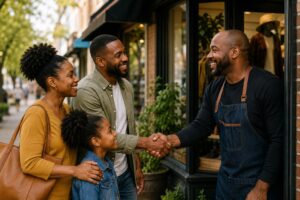
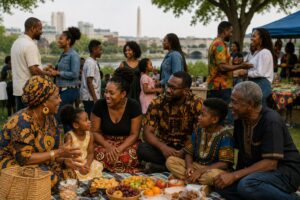
The DMV is home to many African Diaspora families with roots across Africa, the Caribbean, African America, Afro-Latin communities, and many other cultural backgrounds. Washington, D.C., Maryland, and Virginia hold a rich mix of languages, foods, faith traditions, music, businesses, schools, community organizations, and family stories. For many families, the DMV is not only a place to live. It is a place where culture, opportunity, identity, and community life meet. African Diaspora families often carry strong values around family, education, faith, hard work, respect for elders, cultural pride, and community support. At the same time, modern life can make connection difficult. Parents may work long hours. Children may be busy with school and activities. Teens may feel pulled between cultures. Elders may feel isolated. New families may not know where to find trusted support. Even in a region full of people, families can still feel disconnected. Building stronger community connections matters because no family should have to carry everything alone. A connected community helps parents find support, children find mentors, elders feel valued, and young people understand their identity more deeply. When families know one another, share resources, support local businesses, attend cultural events, and create safe spaces for youth, the whole village becomes stronger. Community connection does not always require large events or formal programs. It can begin with a conversation after church, a family attending a cultural festival, parents connecting through school, a small business owner supporting a youth event, an elder sharing a story, or neighbors helping one another. Small acts of connection can grow into stronger networks over time. 1. Cultural Events Help Families Feel Rooted. Cultural events are one of the strongest ways African Diaspora families in the DMV can feel connected. Festivals, food events, music celebrations, heritage programs, art shows, church gatherings, community markets, and national independence celebrations all give families a chance to experience culture publicly and joyfully. Children and teens benefit from seeing their culture celebrated. They may hear familiar music, taste traditional foods, see clothing from different countries, learn dances, hear languages, and meet people who share parts of their family story. These experiences help young people understand that culture is not something hidden at home. It is something worthy of honor. For families with roots in Africa, the Caribbean, or Afro-Latin communities, cultural events can also help children understand where their parents or grandparents came from. A child may begin asking questions about a flag, dish, language, or song. Those questions can lead to deeper family storytelling. Families can make cultural events more meaningful by talking before and after attending. Parents can explain what the event represents, why it matters, and how it connects to the family. This helps children build cultural pride and stronger identity. 2. Food Builds Bridges Across The Diaspora. Food is one of the easiest ways to connect African Diaspora families. In the DMV, families may enjoy Ethiopian, Nigerian, Ghanaian, Jamaican, Haitian, Trinidadian, Senegalese, Southern, African American, Afro-Latin, and many other food traditions. Each dish carries a story, and each meal can become a bridge between cultures. A family meal can help children learn about heritage. A parent might explain where jollof rice, injera, jerk chicken, rice and peas, plantains, gumbo, collard greens, black-eyed peas, or stew comes from. An elder might share how a recipe changed after migration or how a dish was made during childhood. These stories help food become part of identity. Food also brings communities together. A potluck, cultural food night, church meal, community market, or family gathering can introduce people to one another in a warm and natural way. People may feel more comfortable talking when food is shared. Supporting Diaspora restaurants and food vendors also strengthens local business. Families can teach children that buying from local food businesses supports real families, culture, and community dreams. A meal can become both nourishment and community investment. 3. Schools Can Become Community Connection Points. Schools are often where families first meet other families. Parent meetings, school events, sports games, performances, pickup lines, volunteer opportunities, and classroom activities can all become places of connection. For African Diaspora families in the DMV, schools can help parents build relationships with other caregivers and learn about local resources. Parents may find other families who understand similar experiences, such as raising bilingual children, navigating cultural expectations, supporting children academically, or helping youth balance home culture with American school culture. These shared experiences can become the beginning of support networks. Schools can also help families feel more included by recognizing cultural diversity. Programs that honor Black history, African Diaspora heritage, immigrant family experiences, and multilingual communities can help children feel seen. Families can encourage schools to include a wider range of stories, books, speakers, and events. When parents communicate with teachers and other families, children benefit. They see that school and home are connected. They also learn that their family culture belongs in the educational conversation. 4. Faith Communities Often Anchor Family Support. For many African Diaspora families, faith communities are a major source of connection. Churches, mosques, ministries, prayer groups, and faith-based community organizations often provide spiritual guidance, cultural belonging, youth programs, elder support, family counseling, food assistance, and community events. Faith spaces can help new families feel less alone. A family that recently moved to the DMV may find friendship, mentorship, and practical help through a congregation or faith group. Children may meet peers. Parents may find trusted adults. Elders may find community and purpose. Faith communities can also support youth identity. Young people may learn values around service, respect, compassion, discipline, and hope. They may also participate in music, leadership, volunteering, and cultural programs that strengthen confidence. To serve families well, faith communities should also be welcoming to different needs. Children with autism, families under stress, single parents, elders, and youth with mental health concerns all need patience and inclusion. A strong faith community supports the whole family with dignity. 5. Elders Help Preserve Memory And Wisdom. Elders are a powerful part of African Diaspora