

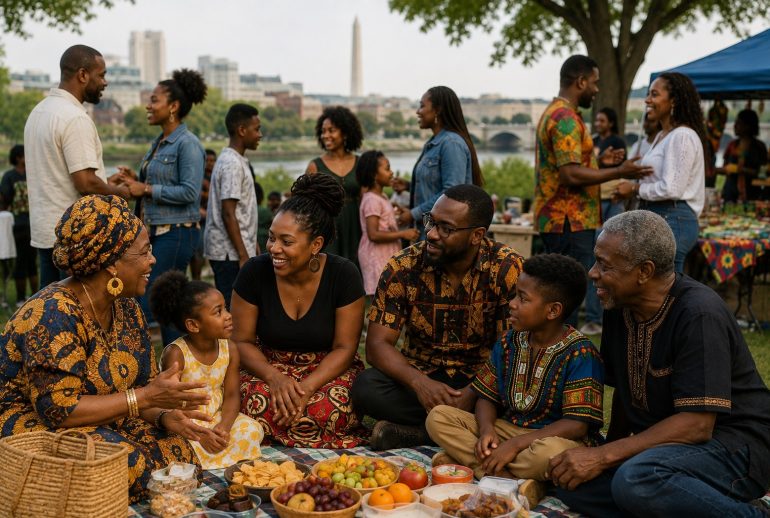
The DMV is home to many African Diaspora families with roots across Africa, the Caribbean, African America, Afro-Latin communities, and many other cultural backgrounds. Washington, D.C., Maryland, and Virginia hold a rich mix of languages, foods, faith traditions, music, businesses, schools, community organizations, and family stories. For many families, the DMV is not only a place to live. It is a place where culture, opportunity, identity, and community life meet.
African Diaspora families often carry strong values around family, education, faith, hard work, respect for elders, cultural pride, and community support. At the same time, modern life can make connection difficult. Parents may work long hours. Children may be busy with school and activities. Teens may feel pulled between cultures. Elders may feel isolated. New families may not know where to find trusted support. Even in a region full of people, families can still feel disconnected.
Building stronger community connections matters because no family should have to carry everything alone. A connected community helps parents find support, children find mentors, elders feel valued, and young people understand their identity more deeply. When families know one another, share resources, support local businesses, attend cultural events, and create safe spaces for youth, the whole village becomes stronger.
Community connection does not always require large events or formal programs. It can begin with a conversation after church, a family attending a cultural festival, parents connecting through school, a small business owner supporting a youth event, an elder sharing a story, or neighbors helping one another. Small acts of connection can grow into stronger networks over time.
1. Cultural Events Help Families Feel Rooted.
Cultural events are one of the strongest ways African Diaspora families in the DMV can feel connected. Festivals, food events, music celebrations, heritage programs, art shows, church gatherings, community markets, and national independence celebrations all give families a chance to experience culture publicly and joyfully.
Children and teens benefit from seeing their culture celebrated. They may hear familiar music, taste traditional foods, see clothing from different countries, learn dances, hear languages, and meet people who share parts of their family story. These experiences help young people understand that culture is not something hidden at home. It is something worthy of honor.
For families with roots in Africa, the Caribbean, or Afro-Latin communities, cultural events can also help children understand where their parents or grandparents came from. A child may begin asking questions about a flag, dish, language, or song. Those questions can lead to deeper family storytelling.
Families can make cultural events more meaningful by talking before and after attending. Parents can explain what the event represents, why it matters, and how it connects to the family. This helps children build cultural pride and stronger identity.
2. Food Builds Bridges Across The Diaspora.
Food is one of the easiest ways to connect African Diaspora families. In the DMV, families may enjoy Ethiopian, Nigerian, Ghanaian, Jamaican, Haitian, Trinidadian, Senegalese, Southern, African American, Afro-Latin, and many other food traditions. Each dish carries a story, and each meal can become a bridge between cultures.
A family meal can help children learn about heritage. A parent might explain where jollof rice, injera, jerk chicken, rice and peas, plantains, gumbo, collard greens, black-eyed peas, or stew comes from. An elder might share how a recipe changed after migration or how a dish was made during childhood. These stories help food become part of identity.
Food also brings communities together. A potluck, cultural food night, church meal, community market, or family gathering can introduce people to one another in a warm and natural way. People may feel more comfortable talking when food is shared.
Supporting Diaspora restaurants and food vendors also strengthens local business. Families can teach children that buying from local food businesses supports real families, culture, and community dreams. A meal can become both nourishment and community investment.
3. Schools Can Become Community Connection Points.
Schools are often where families first meet other families. Parent meetings, school events, sports games, performances, pickup lines, volunteer opportunities, and classroom activities can all become places of connection. For African Diaspora families in the DMV, schools can help parents build relationships with other caregivers and learn about local resources.
Parents may find other families who understand similar experiences, such as raising bilingual children, navigating cultural expectations, supporting children academically, or helping youth balance home culture with American school culture. These shared experiences can become the beginning of support networks.
Schools can also help families feel more included by recognizing cultural diversity. Programs that honor Black history, African Diaspora heritage, immigrant family experiences, and multilingual communities can help children feel seen. Families can encourage schools to include a wider range of stories, books, speakers, and events.
When parents communicate with teachers and other families, children benefit. They see that school and home are connected. They also learn that their family culture belongs in the educational conversation.
4. Faith Communities Often Anchor Family Support.
For many African Diaspora families, faith communities are a major source of connection. Churches, mosques, ministries, prayer groups, and faith-based community organizations often provide spiritual guidance, cultural belonging, youth programs, elder support, family counseling, food assistance, and community events.
Faith spaces can help new families feel less alone. A family that recently moved to the DMV may find friendship, mentorship, and practical help through a congregation or faith group. Children may meet peers. Parents may find trusted adults. Elders may find community and purpose.
Faith communities can also support youth identity. Young people may learn values around service, respect, compassion, discipline, and hope. They may also participate in music, leadership, volunteering, and cultural programs that strengthen confidence.
To serve families well, faith communities should also be welcoming to different needs. Children with autism, families under stress, single parents, elders, and youth with mental health concerns all need patience and inclusion. A strong faith community supports the whole family with dignity.
5. Elders Help Preserve Memory And Wisdom.
Elders are a powerful part of African Diaspora community life. They carry stories of homeland, migration, family struggle, faith, work, education, culture, and survival. In the DMV, where many families come from different places, elders can help children understand the deeper story behind the family’s journey.
Families should create opportunities for elders to share. A child can ask about childhood, food, school, family traditions, first jobs, migration, favorite songs, or lessons learned. These conversations help preserve memory before it is lost. They also help children feel connected to a larger family history.
Elders also need connection. Some may feel isolated if children and grandchildren are busy. Community gatherings, phone calls, family meals, cultural events, and intergenerational programs can help elders feel valued. Their presence strengthens the village.
When elders and youth connect, both generations benefit. Youth gain wisdom and identity. Elders gain purpose and belonging. The community becomes stronger when generations speak to one another.
6. Local Businesses Strengthen Community Life.
Small businesses across the DMV help shape African Diaspora community life. Restaurants, salons, barber shops, boutiques, grocery stores, tutoring centers, childcare providers, wellness services, event planners, photographers, designers, and professional services all contribute to local culture and economic strength.
Supporting these businesses helps families build stronger local networks. A business owner may sponsor youth events, hire local workers, mentor young entrepreneurs, promote cultural celebrations, or provide services that reflect the community’s needs. Small businesses often become gathering places where relationships grow.
Families can support local businesses in many ways. They can buy when possible, leave reviews, share social media posts, recommend services, and attend vendor events. Children can learn that community economics is not only about money. It is about relationships and shared growth.
A strong local business community gives young people examples of entrepreneurship, professionalism, creativity, and leadership. Seeing business owners who look like them can help children imagine new possibilities.
7. Youth Programs Help Children Build Belonging.
Youth programs are important for African Diaspora families because children and teens need safe spaces to grow. Mentorship programs, tutoring, sports, music, dance, cultural classes, leadership programs, STEM clubs, faith-based youth groups, and community service opportunities can all help young people feel connected and supported.
A strong youth program gives children more than activities. It gives them trusted adults, positive peers, structure, encouragement, and a sense of belonging. This can be especially valuable for teens who may feel caught between cultures or unsure where they fit.
Programs that include culture can be especially powerful. African dance, Caribbean history, Black literature, Diaspora food, storytelling, entrepreneurship, and community leadership can help youth build pride while developing skills.
Families can help by looking for programs that match the child’s interests and needs. Not every child needs the same type of activity. Some need academic support. Some need creative outlets. Some need leadership opportunities. Some need mentorship and emotional support.
8. New Families Need Welcoming Networks.
Many families move into the DMV for work, school, family, immigration, military service, or opportunity. Arriving in a new area can feel overwhelming. Families may need help finding schools, doctors, childcare, transportation, community events, faith spaces, grocery stores, cultural food, and trusted services.
Welcoming networks can make a major difference. A simple introduction, resource list, invitation to an event, or recommendation can help a new family feel less alone. People who already know the area can become bridges for those who are still learning.
Community organizations can support new families by offering welcome events, parent groups, local guides, cultural gatherings, and resource referrals. Schools and faith communities can also play a key role in helping families connect.
A strong community does not only serve people who have been there for years. It also makes room for new families to belong. Welcoming others keeps the village alive and growing.
9. Families Can Build Cross-Cultural Understanding Within The Diaspora.
The African Diaspora is not one single experience. Families may have different languages, foods, accents, histories, traditions, and identities. African American families, African immigrant families, Caribbean families, Afro-Latin families, and mixed-heritage families may share some experiences while also carrying differences. Strong community connection requires respect across those differences.
Children should learn that diversity within the Black community is a strength. They can learn about different countries, islands, regions, histories, and cultural practices. Families can attend events outside their own background, try foods from other traditions, and build friendships across cultural lines.
Cross-cultural understanding helps reduce stereotypes and division. It teaches young people that there are many ways to be part of the Black community and African Diaspora. It encourages curiosity instead of judgment.
The DMV is a strong place for this kind of learning because so many cultures live near one another. Families can use that richness to help children grow with a wider and more respectful view of community.
10. Community Service Strengthens Belonging.
Serving together helps families feel more connected to the DMV community. Food drives, neighborhood cleanups, elder support, school volunteering, youth mentoring, community gardens, cultural event support, and nonprofit projects all give families a chance to contribute.
Community service teaches children that they are not only residents. They are contributors. They can help make their neighborhood, school, faith space, or community stronger. This builds responsibility and pride.
Service also connects families with others who share similar values. A parent may meet another caregiver during a volunteer event. A teen may meet a mentor. A child may learn empathy by helping someone else. These relationships can grow beyond the service activity.
A strong community is built by people who show up for one another. Service helps turn shared space into shared responsibility.
11. Digital Groups Can Help Families Stay Connected.
Technology can help African Diaspora families in the DMV stay informed and connected. Parent groups, community pages, WhatsApp groups, Facebook groups, school apps, church announcements, local newsletters, and event pages can help families learn about programs, businesses, events, resources, and opportunities.
Digital connection is useful, especially when families are busy. A parent may find a tutor, cultural event, childcare recommendation, or community gathering through an online group. A small business may reach new customers. A youth program may share registration information quickly.
However, digital groups should support real connection, not replace it completely. Families still need face-to-face relationships, trusted adults, and community spaces where children can belong. Online tools work best when they help people connect in real life.
Families should also practice wisdom online. Information should be checked, privacy respected, and conversations handled with kindness. A healthy digital community can become a helpful extension of the village.
12. Strong Connections Build A Stronger DMV Future.
When African Diaspora families in the DMV build stronger connections, the whole community benefits. Children gain identity, support, and confidence. Parents gain resources and relationships. Elders feel honored. Businesses grow. Schools become more connected to families. Cultural traditions continue. Youth see more possibilities for their future.
Strong connection does not happen by accident. It grows through repeated choices. Families attend events, support businesses, invite others, ask questions, volunteer, share stories, and make time for community life. Over time, these small actions create a stronger network.
The DMV has a unique opportunity because of its rich mix of cultures, history, institutions, and people. Families can use that richness to build bridges across neighborhoods, generations, and Diaspora backgrounds.
A stronger future begins when families choose not to live isolated lives. It begins when people recognize that community is something they help create.
Conclusion.
African Diaspora families in the DMV build stronger community connections through culture, food, schools, faith spaces, elders, small businesses, youth programs, service, and shared traditions. These connections help families feel supported, children feel rooted, and communities feel more alive.
Families do not need to do everything at once. They can begin with one cultural event, one conversation with an elder, one school connection, one local business purchase, one youth program, or one act of service. Small steps can grow into meaningful relationships.
When families connect with intention, they strengthen more than their own household. They help build a DMV community where culture is honored, youth are supported, elders are valued, and families have a stronger village around them.
Akukulu Family encourages parents, caregivers, elders, youth leaders, business owners, educators, and community members to make one DMV connection this month. Attend a cultural event, support a local business, invite a new family, ask an elder to share a story, join a youth program, or volunteer in the community. One connection can help strengthen the whole village.
