
We’re hiring passionate Mentors, Tutors, Program Coordinators & Security Officers to empower youth in Maryland, Washington D.C., Virginia Apply now and make a difference!
Life Youth Mentorship & Tutoring (LYMT) – Second Batch Now Open!
After successfully completing our first year LYMT program, we’re excited to welcome our second batch of students! Led by college educated mentors & tutors, LYMT offers academic support, life skills, STEM tutoring, and enriching activities to help youth excel.
Special Offer: Enroll now for just $200/month (was $250) – limited seat only! (Click here)

Tag: family activities

Recreation-Blog
Muhammed Wasim

How Outdoor Recreation Builds Stronger Wellness Across The Black Community.

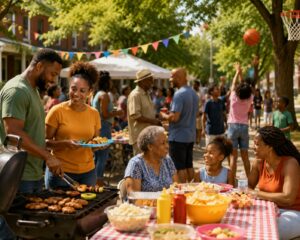
Outdoor recreation is one of the simplest ways families and communities can support wellness. A walk in the park, a family picnic, a basketball game, a playground visit, a bike ride, a community field day, a nature trail, a weekend sports activity, or even a quiet moment outside can help people move their bodies, clear their minds, and feel more connected. Recreation does not have to be expensive or complicated to be meaningful. Sometimes the most powerful wellness habits begin with families choosing to step outside together. Across the Black community, outdoor recreation can support physical health, emotional wellness, family bonding, youth development, and neighborhood connection. Many households are busy with work, school, caregiving, bills, technology, and daily responsibilities. Children may spend more time on screens. Adults may feel tired or stressed. Elders may feel isolated. Families may want healthier routines but not know where to begin. Outdoor recreation gives everyone a practical starting point because it combines movement, fresh air, conversation, and shared experience. Recreation should not be seen as something extra that only happens when everything else is finished. It is part of wellness. Children need play to grow. Teens need positive outlets for stress and energy. Adults need movement and mental relief. Elders need connection and safe opportunities to stay active when possible. Families need time together that is not only focused on chores, school pressure, bills, or problems. Outdoor recreation helps create those moments. The goal is not perfection. A family does not need to join an expensive program, buy a lot of gear, or travel far away. They can begin with what is nearby: a local park, a sidewalk, a school field, a community center, a backyard, a walking path, a recreation league, or a neighborhood event. When outdoor activity becomes part of family and community life, it can strengthen health, confidence, joy, and belonging. 1. Outdoor Recreation Helps Families Move More Naturally. Many people know physical activity is important, but exercise can feel intimidating when it sounds like a strict workout plan. Outdoor recreation makes movement feel more natural. A child running at the playground, a parent walking around the park, a teen playing basketball, an elder stretching outside, or a family dancing at a community event are all forms of movement. These activities support the body without always feeling like formal exercise. This matters because families are more likely to continue habits that feel enjoyable. If movement is always connected to pressure, punishment, or body shame, people may avoid it. But when movement is connected to play, family time, music, sports, laughter, and fresh air, it becomes easier to repeat. A walk after dinner may become a routine. A Saturday park visit may become a family tradition. A friendly game may become a regular way to stay active. Children especially benefit from active play. Running, climbing, jumping, throwing, catching, biking, and dancing help develop coordination, confidence, and strength. Teens benefit from sports and outdoor challenges that help them release energy and build discipline. Adults benefit from regular movement that supports long-term health. Elders benefit from safe activity that helps maintain mobility and connection. Families can begin small. Ten minutes outside is better than no movement at all. A short walk, a playground stop, or a quick family stretch can become the beginning of a healthier routine. 2. Outdoor Time Can Support Mental And Emotional Wellness. Outdoor recreation is not only good for the body. It can also help the mind. Fresh air, sunlight, open space, nature sounds, movement, and a change of environment can help reduce stress and improve mood. When people spend too much time indoors, overwhelmed by work, school, screens, and responsibilities, stepping outside can create a sense of relief. Across many households, stress can build quietly. Parents may feel pressure from work and bills. Teens may feel pressure from school and social media. Children may feel restless. Elders may feel lonely. Outdoor recreation can give families a healthier way to reset. A walk, a park visit, or a quiet sit outside can create space for conversation and calm. Nature does not solve every emotional concern, but it can support wellness. A child who is upset may calm down after playing outside. A teen who is stressed may open up during a walk more easily than during a serious sit-down conversation. An adult who feels overwhelmed may think more clearly after moving their body. These moments matter. Families can use outdoor time as a gentle check-in. Instead of only asking serious questions at the table or during conflict, caregivers can ask while walking, driving to a park, sitting outside, or watching children play. Sometimes fresh air makes hard conversations feel easier. 3. Parks And Playgrounds Can Strengthen Family Connection. Parks and playgrounds give families a place to spend time together without needing a major plan. A child can play, a caregiver can watch and engage, siblings can share space, and relatives can enjoy a relaxed outing. These spaces can become important for families who need affordable ways to connect and unwind. A park visit can include many small bonding moments. A parent pushing a swing, an older sibling helping a younger child climb, a family sharing fruit at a picnic table, a grandparent watching children run, or a caregiver teaching a child how to throw a ball can all create memories. These moments may seem simple, but children often remember them. Parks also give families a break from the pressure of being indoors. At home, there may be laundry, dishes, homework, television, phones, and chores competing for attention. Outside, families may find it easier to be present with one another. The space itself invites movement and interaction. Families can make park time more meaningful by creating simple routines. They might bring water, healthy snacks, a ball, a blanket, books, bubbles, or sidewalk chalk. They might choose one day each week or month for outdoor family time. Consistency helps children look forward to recreation as part of family life. 4. Recreation
Read More »
Social Topics-Blog
Muhammed Wasim

How Neighborhood Gatherings Build Stronger Connections Across The Black Community.

Neighborhood gatherings have always been one of the simplest ways people build trust, friendship, and community pride. A block party, cookout, park day, shared meal, youth activity, outdoor game, community cleanup, or small meet-and-greet can help families move from simply living near each other to actually knowing each other. In a time when many people are busy, tired, working long hours, and spending more time online, these face-to-face moments matter more than ever. Across the Black community, neighborhood connection has deep meaning. The village was often built through everyday relationships. It was the neighbor who watched children walk home from school, the elder who knew every family on the street, the parent who organized food for a grieving household, the local business owner who remembered names, and the community member who noticed when something did not feel right. These connections helped families feel safer, stronger, and less alone. Today, many neighborhoods still need that kind of care. Families may live close together but not know each other well. Parents may be raising children without nearby support. Elders may feel isolated. Young people may need positive adults around them. New families may want to feel welcome but not know where to begin. A neighborhood gathering can become the first step toward rebuilding those relationships. A gathering does not have to be large, expensive, or perfectly organized to matter. Sometimes the strongest community moments begin with a few families, a few chairs, some food, music, games, and a willingness to talk. What matters most is creating a space where people feel seen, welcomed, and respected. When neighbors gather with purpose, they can begin to rebuild the kind of community care that families need. 1. Neighborhood Gatherings Help People Learn Each Other’s Names. One of the first steps toward building community is simply learning who lives nearby. Many people pass each other every day without knowing names, family situations, needs, or stories. A neighborhood gathering gives people a natural reason to introduce themselves, speak with kindness, and begin building familiarity. Knowing a neighbor’s name may seem small, but it can change the feeling of a street, apartment building, block, or local community. A person who was once a stranger becomes someone familiar. A parent may discover another family with children the same age. An elder may meet someone willing to check in. A young person may meet a mentor. A new resident may feel less alone. These introductions also help create trust. Trust usually does not appear overnight. It grows through repeated contact, friendly conversations, and small moments of respect. A gathering gives neighbors the first opportunity to begin that process. Once people have shared a meal, laughed together, or talked about local concerns, it becomes easier to greet each other later. Families can help children participate by teaching them to greet elders, introduce themselves politely, and speak respectfully with neighbors. These simple manners help children understand that community is built through connection, not only through shared space. 2. Gatherings Create A Safer Feeling In The Neighborhood. A connected neighborhood often feels safer because people are more aware of one another. When neighbors know each other, they are more likely to notice when something seems unusual, check on children, look out for elders, and communicate about concerns. Safety is not only about rules or security. It is also about relationships. A neighborhood gathering can help families identify trusted people nearby. Parents may learn who lives near the bus stop. Elders may learn who they can call if they need help. Neighbors may exchange phone numbers for emergencies. Families may discuss traffic concerns, unsafe areas, lighting issues, or ways to support children moving through the neighborhood. This kind of safety should be rooted in care, not fear. The goal is not to make people suspicious of each other. The goal is to build awareness and responsibility. A strong neighborhood watches out for children without controlling them unfairly. It checks on elders without taking away their dignity. It responds to concerns without turning every issue into conflict. When people gather regularly, they become more invested in the well-being of the area. A person is more likely to care for a place when they feel connected to the people in it. 3. Children Benefit From Seeing Positive Community Relationships. Children learn what community means by watching adults. If they see adults ignoring one another, arguing constantly, or staying disconnected, they may grow up thinking that neighborhood relationships do not matter. But when children see adults greeting neighbors, sharing food, helping elders, organizing games, cleaning shared spaces, and speaking with respect, they learn that community care is part of life. Neighborhood gatherings give children positive memories. They may remember playing outside with other children, eating food with family, hearing music, meeting elders, joining games, helping set up tables, or watching adults laugh together. These memories can help children feel rooted and connected to their community. Gatherings can also give children safe opportunities to interact with people of different ages. They may talk with elders, play with younger children, meet teens, and see adults working together. This helps them build social confidence and respect across generations. Families can include children in planning. Children can help make signs, prepare food, choose games, set up chairs, pass out water, or clean up afterward. When children help, they learn that community events are not only something to attend. They are something people build together. 4. Elders Should Be Included And Honored. Elders carry neighborhood memory. They often know how the community has changed, who lived there before, what traditions mattered, and what lessons younger generations should not forget. A neighborhood gathering becomes stronger when elders are included, welcomed, and treated with respect. Including elders may require thoughtful planning. They may need seating, shade, transportation, accessible restrooms, quieter areas, or someone to walk with them. These details matter because they communicate that elders are not an afterthought. They are part of the heart of the community. Elders can contribute in meaningful

Read More »
Recreation-Blog
Muhammed Wasim

Why Family Recreation Matters For Stronger Black Communities.

Recreation is more than fun. It is part of how families bond, how children grow, how stress is released, and how communities become stronger. In busy households, recreation can sometimes feel like something extra — something to do only after work, bills, school, chores, and responsibilities are handled. But family recreation is not a waste of time. It is a form of care. For Black families, shared recreation can create joy, protect mental health, build confidence in children, strengthen relationships, and give families a chance to breathe together. Whether it is a walk in the park, a basketball game, a family cookout, a board game night, a bike ride, a dance session in the living room, or a trip to a local museum, recreation helps families create memories that last. Strong families need more than survival. They need joy too. 1. Recreation Helps Families Reconnect. Modern family life can be busy. Parents work long hours. Children have school, homework, sports, screens, and social pressures. Everyone may live in the same home but still feel disconnected. Recreation creates space to reconnect without pressure. A family game night, walk, picnic, movie night, or backyard activity gives people time to laugh, talk, and enjoy one another. Sometimes children open up more during relaxed moments than during serious conversations. A walk around the neighborhood can turn into a meaningful talk. A basketball game can build trust. A shared meal at the park can help everyone slow down. Families often grow closer when they make time to enjoy each other. 2. Active Play Supports Physical Health. Recreation can also support physical health. Walking, running, dancing, swimming, biking, skating, sports, and playground time all help the body move. For children, movement supports growth, coordination, confidence, and energy. For adults, it can support heart health, flexibility, mood, and stress relief. Black families face unique health challenges in America, including higher risks connected to stress, access to care, food environments, and lifestyle pressures. While recreation alone cannot solve every health issue, active family time can be one helpful step toward wellness. The best part is that movement does not have to feel like exercise. It can feel like play. 3. Recreation Supports Youth Mental Health. Young people need healthy outlets for stress. School pressure, social media, bullying, family changes, identity questions, and anxiety about the future can all weigh heavily on youth. Recreation gives children and teenagers a way to release emotions. Sports can teach discipline and teamwork. Art can help with self-expression. Dance can build confidence. Outdoor time can create calm. Games can teach problem-solving and patience. When young people have positive outlets, they are less likely to feel trapped inside their stress. Recreation can become part of emotional wellness. 4. Family Activities Do Not Have To Be Expensive. Some families avoid recreation because they think it requires money. But meaningful family activities do not have to cost much. Families can visit public parks, take walks, play card games, cook together, watch a movie at home, visit free community events, have a backyard picnic, play music, create art, volunteer together, or explore local libraries and museums with free admission days. The value is not in how much money is spent. The value is in the time, attention, and connection. Children often remember the feeling more than the price. 5. Recreation Builds Confidence And Life Skills. Recreational activities help children learn important life skills. Sports can teach teamwork, leadership, patience, and discipline. Board games can teach strategy, fairness, and focus. Outdoor activities can teach curiosity and courage. Group activities can teach communication and respect. Children also learn how to win with humility and lose with grace. They learn how to try again, support others, and manage emotions. These lessons are not always taught through lectures. Sometimes they are learned on a basketball court, around a game table, during a dance practice, or while learning to ride a bike. Play can be a teacher. 6. Community Recreation Creates Belonging. Community recreation brings people together. Local sports leagues, family festivals, cultural events, church outings, neighborhood cleanups, youth programs, and community centers can help families feel connected to something larger than themselves. For Black communities, safe recreational spaces are especially important. Families need places where children can play, elders can gather, teens can belong, and neighbors can build trust. When communities invest in recreation, they invest in safety, wellness, youth development, and social connection. A strong community is not only built in meetings. It is also built in shared spaces of joy. 7. Recreation Helps Preserve Culture. Many family traditions are connected to recreation. Cookouts, reunions, music, dancing, storytelling, card games, church picnics, travel, festivals, and sports have long played important roles in Black community life. These activities carry culture from one generation to the next. Children learn family stories. Elders share wisdom. Food, music, laughter, and movement become part of identity. Recreation reminds families where they come from and helps children feel rooted in something meaningful. 8. Make Recreation A Regular Family Habit. Recreation becomes more powerful when it becomes part of family life. Families can start small by choosing one activity each week. It could be Friday game night, Saturday morning walk, Sunday park visit, monthly family outing, or evening stretch time. The schedule does not have to be perfect. What matters is consistency. When families make time for recreation, they are saying: our connection matters, our health matters, and our joy matters. Conclusion. Family recreation is not just about passing time. It is about building stronger relationships, healthier bodies, calmer minds, confident children, and connected communities. For Black families, recreation can be a powerful way to protect joy, preserve culture, and create memories that strengthen the home. Every family deserves moments of laughter, movement, rest, and connection. Those moments may seem small, but over time, they help build a stronger foundation. Akukulu Family encourages families to make time for joy this week. Take a walk, play a game, visit a park, dance together, or attend a community

Read More »
Skip to content