We’re hiring passionate Mentors, Tutors, Program Coordinators & Security Officers to empower youth in Maryland, Washington D.C., Virginia Apply now and make a difference!
Life Youth Mentorship & Tutoring (LYMT) – Second Batch Now Open!
After successfully completing our first year LYMT program, we’re excited to welcome our second batch of students! Led by college educated mentors & tutors, LYMT offers academic support, life skills, STEM tutoring, and enriching activities to help youth excel.
Special Offer: Enroll now for just $200/month (was $250) – limited seat only! (Click here)

Day: July 10, 2026

Education-Blog
Muhammed Wasim

Why Reading Black History At Home Strengthens Children Across The Black Community.

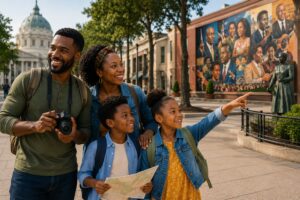
Reading Black history at home gives children something powerful that school alone may not always provide. It gives them a personal connection to people, places, stories, struggles, victories, inventions, movements, culture, and family values that helped shape the world they live in. When children read about Black history in a loving home environment, they are not only learning facts. They are learning that their community has always carried intelligence, courage, creativity, leadership, faith, resistance, beauty, and vision. Across the Black community, children need to see history as more than a short school lesson or a special topic during one month of the year. They need to understand that Black history is part of American history, world history, family history, cultural history, and everyday community life. It is found in books, music, food, churches, schools, businesses, inventions, neighborhoods, family stories, art, sports, military service, science, literature, and the voices of elders who lived through seasons that children may only hear about in passing. Home is one of the best places to make this history feel alive. A parent reading with a child, a grandparent telling a story, an older sibling sharing a book, or a family watching a documentary and then talking about it can create meaningful learning moments. These moments help children understand that history is not distant. It is connected to their own names, families, communities, and futures. Reading Black history at home also helps children build confidence. When young people learn about people who created, led, organized, wrote, invented, served, taught, healed, built businesses, changed laws, raised families, and stood for justice, they begin to see possibility in themselves. They learn that greatness is not limited to one kind of person or one kind of path. They learn that they are part of a long story, and that their own life can add something meaningful to it. 1. Black History Helps Children Understand Who They Are. Children need roots. They need to know that they come from people who lived, worked, struggled, created, loved, prayed, resisted, learned, and built before them. When children do not know their history, they may begin to rely only on what the outside world tells them about who they are. That can be dangerous because the outside world does not always tell the full truth. It may show them stereotypes, limited images, or stories that focus only on pain without showing strength, joy, intelligence, and achievement. Reading Black history at home helps fill that gap. It gives children a stronger foundation for identity. A child who reads about Harriet Tubman, Frederick Douglass, Mary McLeod Bethune, George Washington Carver, Ida B. Wells, Katherine Johnson, Thurgood Marshall, Maya Angelou, Jackie Robinson, Shirley Chisholm, Martin Luther King Jr., Rosa Parks, and many others begins to understand that their community has shaped history in many ways. These stories can help a child stand taller because they know they are connected to a legacy of courage and excellence. Identity is not built from one book or one conversation. It grows through repeated exposure. When children regularly hear stories about Black leaders, families, artists, scientists, soldiers, teachers, inventors, and everyday heroes, they begin to see history as part of their own inheritance. They learn that their background is not something to hide or minimize. It is something to understand, honor, and carry with pride. Parents and caregivers can make this personal by connecting history to family stories. After reading about migration, education, faith, work, or civil rights, they can ask children if they know anyone in their own family who lived through similar experiences. This helps children understand that history is not only about famous names. It is also about grandparents, great-grandparents, neighbors, teachers, and community members whose lives matter. 2. Reading At Home Makes History Feel Personal. When children only learn history in school, it may feel like something they must memorize for a test. Names, dates, and events can become disconnected from real life. But when history is read and discussed at home, it can feel warmer, deeper, and more personal. A family can pause, ask questions, share opinions, connect the story to real experiences, and help children understand why the lesson matters. A book about the Civil Rights Movement can lead to a conversation about what elders remember from their childhood. A story about Black inventors can lead to a discussion about creativity and problem-solving. A biography of a writer or artist can lead to a child writing their own poem, drawing a picture, or asking about family talents. A book about African kingdoms, Caribbean history, or African American communities can help children see the wider African Diaspora in a more meaningful way. Home reading also gives children room to ask honest questions. They may ask why unfair things happened, why people were treated differently, why certain laws existed, or why some stories were not taught earlier. These questions should not be avoided. They are signs that children are thinking deeply. Parents do not need to have perfect answers, but they can say, “That is a good question. Let’s learn more together.” When families learn together, children see that history is not only a school subject. It becomes part of family conversation. It becomes something people care about, reflect on, and use to understand the present. This makes learning more powerful and more likely to stay with the child. 3. Black History Builds Cultural Pride Without Ignoring Hard Truths. Some adults worry that teaching children difficult parts of history may make them sad, angry, or overwhelmed. That concern is understandable because Black history includes painful subjects such as slavery, segregation, racial violence, discrimination, and injustice. However, children also need truth. The key is to teach history in ways that are age-appropriate, balanced, and grounded in dignity. Black history should not be taught only as suffering. Children need to learn about hardship, but they also need to learn about creativity, family, music, food, invention, business, faith, art, education, military service, sports, literature, community leadership, and joy.

Read More »
Global Bites & Tales
Muhammed Wasim

How Food Traditions Connect The Black Community To Culture And Family History.

Food traditions are one of the most powerful ways families stay connected to culture and memory. A meal can carry more than flavor. It can carry the voice of an elder, the memory of a childhood kitchen, the sound of family laughter, the feeling of a holiday gathering, or the story of a place that shaped the family’s journey. Across the Black community, food has long been connected to survival, celebration, creativity, faith, family care, and identity. Many families have dishes that show up again and again at important moments. There may be a special recipe for Sunday dinner, a holiday dessert, a family reunion meal, a soup made when someone is sick, a dish connected to a grandparent, or a food that reminds relatives of the South, the Caribbean, Africa, the DMV, or another place that holds meaning. These meals are not only about eating. They are part of how families remember who they are. Food traditions also help children understand culture in a way that feels personal. A child may not fully understand migration, history, or ancestry from a textbook, but they may begin to understand it while standing beside an elder in the kitchen. They may learn why certain seasonings are used, why a meal is served during a holiday, why the family gathers around a particular dish, or why one recipe is treated with special respect. When families talk about food traditions, they are also talking about history. They are talking about the people who cooked before them, the ingredients they had, the places they lived, the challenges they survived, and the love they passed forward. In this way, food becomes a bridge between generations. 1. Food Traditions Carry Family Memory. Every family has food memories, even if they have never written them down. A child may remember the smell of a pot cooking in the kitchen, the way an elder seasoned food without measuring, the sound of relatives laughing around the table, or the excitement of seeing a favorite dish at a family gathering. These memories become part of how people understand home. Food memories are powerful because they involve the senses. The smell of cornbread, rice and peas, jollof rice, gumbo, stew, collard greens, fried fish, plantains, sweet potato pie, jerk chicken, injera, beans, soup, or a favorite family dessert can bring back a whole season of life. One taste can remind a person of a grandparent, a neighborhood, a church event, a holiday, or a loved one who has passed away. These memories help families feel connected even when life changes. People may move to new cities, children may grow up, elders may pass on, and traditions may shift, but food can keep memory alive. A recipe can become a way to feel close to someone who is no longer physically present. Families can preserve these memories by asking questions while the people who carry them are still here. Who first made this dish? When did our family start eating it? Was it for special occasions or everyday meals? What does this food remind you of? These simple questions can turn a meal into a family history lesson. 2. The Kitchen Can Become A Classroom For Culture. The kitchen is one of the most natural places for children to learn culture. They can watch, listen, taste, ask questions, and participate. Unlike a formal lesson, kitchen learning often happens through small moments. A child may learn patience while waiting for dough to rise, responsibility while washing vegetables, teamwork while setting the table, or respect while listening to an elder explain a recipe. This kind of learning matters because culture is often passed through practice. Children may not remember a long speech about heritage, but they may remember helping stir a pot with their grandmother. They may remember a parent explaining why a dish is connected to a certain place. They may remember an uncle telling a story while grilling outside or an auntie explaining why a dessert is always made for a family celebration. Parents and caregivers can invite children into the kitchen in age-appropriate ways. Younger children can rinse produce, mix ingredients, count items, or help set the table. Older children and teens can learn how to chop safely, season food, follow recipes, manage timing, and clean as they cook. These skills build confidence and help children feel included. The kitchen also gives families a chance to talk naturally. Sometimes children open up more when their hands are busy. A conversation that might feel awkward face to face may feel easier while cooking together. In this way, the kitchen can support both cultural learning and emotional connection. 3. Recipes Help Preserve The Wisdom Of Elders. Elders often carry recipes in memory rather than on paper. They may know how much seasoning to add by sight, how long to cook something by smell, or how to adjust a dish by taste. This kind of knowledge is valuable because it comes from years of experience. It is not just cooking. It is wisdom built through repetition, care, and attention. When elders teach recipes, they often teach more than ingredients. They may tell stories about where the dish came from, who taught them, how the family used to gather, or how food was stretched during hard times. They may share lessons about not wasting food, feeding guests, caring for neighbors, or making something beautiful with limited resources. Families should make time to capture this wisdom. A younger relative can record a video of an elder cooking, write down the recipe, take photos of each step, or ask questions during the process. Even if the measurements are not perfect, the memory matters. The sound of an elder’s voice explaining a recipe can become a treasure later. Honoring elders through food also helps them feel valued. When younger generations ask to learn, they are saying, “What you know matters.” That message is important. It reminds elders that their lives, skills, and stories are still needed. 4. Food

Read More »
Fashion
Muhammed Wasim

How Travel Experiences Build Cultural Pride Across The Black Community.

Travel can do more than move a family from one place to another. It can open the heart, stretch the imagination, teach history, create memories, and help children understand culture in a way that feels real. A trip does not have to be far away, expensive, or perfectly planned to matter. Sometimes a meaningful travel experience can happen through a visit to a local museum, a walk through a historic neighborhood, a day at a cultural festival, a trip to a family hometown, a meal at a Diaspora-owned restaurant, or a weekend visit with relatives who carry stories the younger generation needs to hear. Across the Black community, travel can become a powerful way to connect families with heritage, identity, and belonging. Many children learn about culture through books, school lessons, music, food, and family conversations, but travel allows them to experience those lessons with their senses. They can see historic places, hear live music, taste traditional food, walk through neighborhoods that carry memory, meet local business owners, and witness cultural pride in public spaces. These experiences help children understand that history and culture are not distant ideas. They are alive in places, people, stories, and everyday community life. Travel also gives families a chance to step outside the normal routine. Daily life can be full of work, school, bills, appointments, chores, caregiving, and screen time. A trip, even a short one, creates room for families to talk, laugh, explore, take photos, and learn together. These shared moments can become part of family history. Years later, a child may remember the museum they visited with their grandmother, the festival where they first heard a certain rhythm, the restaurant where they tasted a new dish, or the road trip where a parent told stories about where the family came from. Cultural travel is not only about entertainment. It is a way to teach pride, respect, curiosity, and connection. When families travel with purpose, they help children see themselves as part of a wider story that includes local communities, African Diaspora traditions, American history, global culture, family memory, and future possibility. 1. Travel Helps Children Experience History Beyond The Classroom. History can feel distant when it is only presented through textbooks, worksheets, or short school lessons. Children may memorize names and dates without fully understanding the people, places, emotions, and choices behind them. Travel can help history become more personal because it allows children to stand in spaces where stories happened, look at objects connected to real lives, and ask questions while the experience is still fresh in their minds. A museum visit, historic walking tour, monument, cultural center, old church, school site, neighborhood landmark, or local exhibit can help children understand that history happened in real places where people lived, worked, worshiped, struggled, organized, and built community. When a child walks through a historic district or sees photographs, clothing, letters, tools, instruments, artwork, or family records, the past becomes easier to imagine. They begin to understand that history is not only a list of events. It is the story of people. Parents and caregivers can make these visits more meaningful by preparing children before the trip. They can explain where they are going, why the place matters, and what kinds of questions the child might think about. After the visit, they can talk about what stood out, what felt surprising, what made them proud, and what they want to learn more about. These conversations help turn a travel experience into a lasting lesson. For families across the community, visiting places connected to African American history, African Diaspora culture, civil rights, music, art, faith, business, or family migration can help children see that their heritage is deeply woven into the world around them. They learn that their story belongs in public memory. 2. Local Travel Can Be Just As Meaningful As A Big Trip. Many people think of travel as something that requires flights, hotels, passports, or long vacations. While those experiences can be wonderful, local travel can also be deeply meaningful. Families can explore nearby neighborhoods, museums, parks, libraries, markets, cultural centers, restaurants, universities, monuments, festivals, and community events. These local trips can be easier to plan, more affordable, and still full of learning. The DMV, for example, is rich with history, culture, food, music, and African Diaspora connections. Families can find meaningful experiences throughout Washington, D.C., Maryland, and Virginia by visiting museums, historic neighborhoods, community markets, cultural restaurants, bookstores, art spaces, and local festivals. These outings can help children understand that culture is not only found far away. It is present in the region where they live. Local travel also helps families develop a stronger sense of place. Children begin to see their area as more than streets, schools, stores, and traffic. They begin to understand that their region has stories, leaders, businesses, artists, elders, and traditions worth knowing. This can build pride in the community and encourage children to be more curious about the people and places around them. Families can start small by choosing one local place each month to explore. A short outing with a clear purpose can be more valuable than an expensive trip with no conversation. What matters is not the distance traveled. What matters is the intention behind the experience. 3. Heritage Trips Can Connect Families To Their Roots. Heritage trips are powerful because they help families connect with places that shaped their story. This might mean visiting a parent’s hometown, a grandparent’s neighborhood, a family church, a cemetery where ancestors are buried, a school an elder attended, a farm, a city where relatives migrated, or a country connected to family origins. These trips can help children understand that their family did not begin with them. They are part of a longer journey. A trip to a family hometown can open conversations that may not happen at home. An elder may point to a street and say, “This is where I walked to school,” or “That is where your great-grandmother lived,” or “This

Read More »
Skip to content