We’re hiring passionate Mentors, Tutors, Program Coordinators & Security Officers to empower youth in Maryland, Washington D.C., Virginia Apply now and make a difference!
Life Youth Mentorship & Tutoring (LYMT) – Second Batch Now Open!
After successfully completing our first year LYMT program, we’re excited to welcome our second batch of students! Led by college educated mentors & tutors, LYMT offers academic support, life skills, STEM tutoring, and enriching activities to help youth excel.
Special Offer: Enroll now for just $200/month (was $250) – limited seat only! (Click here)

Category: Recreation-Blog

Recreation-Blog
Akukulu

Camping Games for Kids

Camping with kids is one of the best ways to unplug from screens, connect with nature, and make lifelong memories as a family. But once the tent is set up and the marshmallows are roasted, the question every parent eventually faces is — “What do we do now?” That’s where camping games come in. Whether you’re deep in the woods, at a lakeside campsite, or even in your own backyard, a few creative and fun games can turn an ordinary camping trip into an unforgettable adventure. Here’s a collection of exciting, age-friendly camping games for kids that encourage teamwork, imagination, and laughter — all while helping them connect with the great outdoors. Why Games Are Important During Camping Kids love adventure, but they also get bored easily. Playing games during camping helps them stay active, engaged, and happy. Games are more than just entertainment — they teach teamwork, patience, problem-solving, and respect for nature. Plus, they make great bonding moments for families and friends, especially around the campfire or during downtime between hikes. Classic Outdoor Camping Games These tried-and-true favorites never go out of style and can be played almost anywhere. 1. Capture the Flag This outdoor classic is perfect for larger groups. Divide the campers into two teams, each with their own “flag” (a bandana or cloth works perfectly). Hide each flag in your territory and try to capture the other team’s flag without getting tagged. It’s great for burning energy and building teamwork — and it’s even more fun in a forest setting where there are plenty of hiding spots. 2. Scavenger Hunt A scavenger hunt is one of the best ways to help kids explore nature. Create a list of things they might find around the campsite — like pinecones, smooth rocks, animal tracks, feathers, or wildflowers (without picking them). You can make it more challenging by adding clues or riddles that lead them to specific items. Hand out small bags for collecting, and offer a prize or treat for everyone who completes the list. 3. Nature Bingo Print or draw bingo cards filled with things commonly found outdoors — trees, bugs, clouds, birds, or campfire gear. Kids can mark off each item as they spot it during their camping adventure. It’s an educational and fun way to encourage observation and curiosity about the environment. 4. Flashlight Tag Once the sun sets, it’s time for flashlight fun! One person is “it” and tries to find others by shining their flashlight on them. When someone is spotted, they become “it.” This game brings a thrill to nighttime camping — just make sure everyone plays safely and stays within the designated campsite area. Campfire Games Evenings by the fire are perfect for storytelling and laughter. These games keep the fun going after dark. 5. Campfire Story Chain Start a story with one or two sentences, then let each camper add a few lines to continue it. The story can be silly, spooky, or completely made-up. Kids love seeing how wild and funny the story becomes as everyone adds their twist. It’s also a great way to spark creativity and imagination. 6. Two Truths and a Lie Each person takes turns sharing three statements about themselves — two true, one false. The others have to guess which one is the lie. It’s a fantastic icebreaker that helps kids learn fun facts about each other. 7. Glow Stick Ring Toss Drop some glow sticks into a water bottle and toss glowing rings made from larger glow sticks around it. It’s simple, safe, and mesmerizing to watch in the dark. This game works for all ages and adds a touch of magic to nighttime camping. Active Daytime Camping Games During the day, kids have plenty of space to run and play. These outdoor activities help them burn energy while having tons of fun. 8. Sack Race or Three-Legged Race Bring along burlap bags or pillowcases for sack races — or pair kids up for three-legged races using bandanas to tie their legs together. Set up a small course and let the races begin! Add prizes like s’mores ingredients or stickers to make it extra exciting. 9. Nature Art Challenge Give each child a few minutes to collect natural materials (like leaves, sticks, rocks, and flowers) and create an art piece — maybe an animal, a pattern, or even a “forest sculpture.” Once they’re done, have a mini “art show” to display everyone’s creations. It’s a calm, creative game that helps kids appreciate the beauty of nature. 10. Obstacle Course Adventure Use what’s around you — logs, rocks, ropes, or even tent poles — to set up a mini obstacle course. Include jumping, crawling, balancing, and climbing challenges. Kids love the physical challenge, and you can adjust the difficulty for different age groups. Quiet and Relaxing Games When it’s time to unwind, these low-energy games keep the fun going without too much activity. 11. Cloud Watching Contest Lie back on a blanket and look up at the sky. Ask kids what shapes they see in the clouds — animals, faces, or even castles. This simple game encourages imagination and helps everyone slow down and enjoy the moment. 12. Campfire Guessing Game Take turns making animal sounds, and the rest of the group guesses which animal it is. You can also try shadow guessing using the firelight or flashlights. It’s fun, silly, and perfect for winding down after a busy day. 13. Rock Painting Bring along some paint pens or markers and let kids decorate smooth rocks they find around the campsite. They can write their names, draw patterns, or create mini creatures. These make great keepsakes from the trip or gifts for family members back home. Educational Camping Games Camping can also be a chance to sneak in a little learning while still having fun. 14. Nature Detective Give kids magnifying glasses or binoculars and ask them to look closely at plants, insects, and other natural wonders. They can make “field notes”

Read More »
Recreation-Blog
Akukulu

Theme Park Survival Guide for Parents

A trip to a theme park can feel like a dream come true for kids — rides, characters, treats, and endless fun. For parents, however, it often feels like a mix of excitement and exhaustion. Between keeping track of little ones, managing long lines, and surviving the sugar rush, it can be overwhelming if you don’t plan ahead. The good news? With the right strategies, you can make your theme park day smoother, more enjoyable, and far less stressful. Here’s your survival guide. 1. Plan Before You Go Do your homework: Look up the park map, ride height restrictions, and show schedules in advance. This saves time and helps you set realistic expectations.Tickets & passes: Buy tickets online to avoid long lines at the gate. If the park has fast passes, consider them for popular rides.Set priorities: Ask your kids to pick their top 2–3 rides or attractions. That way, even if the day gets busy, they won’t miss their favorites. 2. Dress Smart and Pack Wisely Clothing: Wear lightweight, comfortable clothes and shoes made for walking. Hats and sunglasses are musts on sunny days.Backpack essentials: Sunscreen, reusable water bottles, wet wipes, hand sanitizer, a small first-aid kit, and a light poncho for surprise rain showers.Snacks: Parks are full of tempting (and pricey) food. Pack healthy snacks like fruit, granola bars, or crackers to avoid constant sugar spikes. 3. Beat the Heat and Stay Hydrated Theme parks usually mean hours under the sun. Kids get tired and cranky quickly if they overheat.Encourage everyone to sip water often, not just when thirsty.Take cooling breaks indoors or in shaded areas.If the park allows, bring a small spray bottle or portable fan to help kids cool off. 4. Have a Safety Plan Designate a meeting spot: In case anyone gets separated, agree on a clear, easy-to-find location (like the carousel or main fountain).ID bracelets or cards: Write your contact number on a wristband or card your child can keep in their pocket.Teach your kids: Show them how to find park staff if they get lost. 5. Manage the Lines Like a Pro Arrive early to hit popular rides before the crowds build up.Use ride wait-time apps if the park offers one.Play games, chat, or bring a small toy for younger kids to keep them entertained in long queues. 6. Take Breaks and Pace Yourself You don’t need to see everything in one day. Kids (and parents) burn out fast.Plan rest stops — sit for a snack, watch a parade, or enjoy a calm ride like the train or ferris wheel.Listen to your kids’ limits. A 20-minute rest can mean fewer meltdowns later. 7. Expect the Unexpected Rides may close, weather can change, and kids’ moods can swing. Stay flexible.Focus on making memories, not checking off every attraction. Sometimes the small moments — a funny photo, a shared ice cream, or watching fireworks together — are the ones your kids will remember most. 8. End on a High Note Wrap up the day before kids are completely overtired. A fun souvenir, a last favorite ride, or watching the evening show can create a sweet final memory. Leaving while spirits are still up makes the day feel more magical. Final Thoughts A theme park trip doesn’t have to leave parents feeling drained. With preparation, smart packing, and a focus on balance, you can turn a potentially stressful outing into a fun family adventure. Remember: your kids don’t just remember the rides — they remember how they felt with you. So slow down, laugh often, and enjoy the magic together.

Read More »
cozy family movie night
Recreation-Blog
Akukulu

Family Staycation Ideas: Fun, Affordable Adventures Right at Home

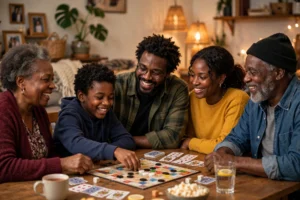
In our fast-paced lives, taking a traditional vacation often involves a lot of planning, packing, and spending. But what if you could enjoy quality time, laughter, and meaningful memories—without ever leaving your city or even your home? That’s where family staycations come in. A staycation is a vacation spent close to home, and when done right, it can be just as relaxing and exciting as traveling far away. Whether you’re on a budget, avoiding travel hassles, or simply looking for creative ways to connect with your loved ones, this guide offers a variety of family staycation ideas that are fun, affordable, and memorable. 1. Turn Your Home Into a Resort You don’t need a fancy hotel to enjoy a luxury escape. With a few thoughtful touches, your home can feel like a relaxing retreat. Pro Tip: Make it feel official by turning off work notifications, setting an “out of office” auto-reply, and committing to full relaxation. 2. Backyard Camping Adventure If you have a backyard or terrace, set up tents, sleeping bags, and a mini campfire (or portable grill). Tell stories under the stars, roast marshmallows, and enjoy the outdoors—without leaving your property. It’s a screen-free bonding experience that feels adventurous but safe and simple. 3. Plan a Themed International Day Pick a country and build a whole day around its culture, food, and traditions. For example, for Italy Day: Or go for Japan Day: It’s a fun, educational experience that sparks curiosity and expands your kids’ worldviews. 4. DIY Water Park at Home Don’t have a pool? No problem! With sprinklers, inflatable pools, water balloons, and buckets, you can turn your yard or balcony into a mini water park. This is an instant hit during warm weather—and it keeps everyone active, laughing, and cool. 5. Host a Family Game Tournament Transform your living room into a competitive (but friendly!) game zone. You can: Keep score and offer fun rewards like a “Champion’s Crown,” a DIY trophy, or the right to choose dinner for the night. 6. Cook or Bake Together Cooking as a family is not just about food—it’s about bonding, teamwork, and creativity. You can also do themed nights: Taco Tuesday, Dessert Day, or Build-Your-Own-Pizza Night. Messy kitchens lead to happy hearts! 7. Go on a Local Exploration Day Being a tourist in your own town can be surprisingly fun. Use this as a chance to rediscover your community and appreciate what’s close to home. 8. Create a Family Photo or Memory Book Spend part of your staycation gathering old photos, printing new ones, and making a scrapbook or digital album together. By the end, you’ll have a treasured keepsake to look back on for years. 9. Have a Tech-Free Day Disconnect to reconnect. Dedicate one day to turning off phones, tablets, and TVs. You may be surprised how present and peaceful the day feels. 10. End with a “Staycation Awards Night” Wrap up your staycation with a mini celebration: This simple ritual can reinforce positive memories and bring the family even closer. Conclusion Family staycations prove that you don’t need to travel far to connect, recharge, and create joyful moments. With a little planning and creativity, you can turn ordinary days into unforgettable adventures—right in your own home or neighborhood. So whether it’s a weekend or an entire week off, consider a staycation as an opportunity to slow down, laugh more, and strengthen your family bond. Because sometimes, the best memories are made just a few steps from your front door.

Read More »
Recreation-Blog
Akukulu

Neighborhood Block Party Ideas: How to Bring Your Community Together

In an age where many neighbors barely know each other’s names, a block party can transform a neighborhood from a collection of houses into a vibrant, connected community. Whether you want to celebrate a holiday, welcome new residents, or simply enjoy a sunny weekend together, hosting a neighborhood block party creates opportunities for building friendships, fostering trust, and strengthening the bonds that turn streets into communities. But where do you start? With a little planning and creativity, your gathering can become an annual highlight everyone looks forward to. This guide shares neighborhood block party ideas that make planning easy and fun for everyone involved. Why Host a Neighborhood Block Party? The benefits of a block party go far beyond a single day of fun. Regular community events help neighbors look out for each other, share resources, and create safer, friendlier streets. When kids know they have familiar faces next door, they’re more comfortable playing outside. Seniors or those living alone feel more supported. Stronger neighborhood connections have even been shown to reduce crime and increase property values. Plus, there’s nothing like the simple joy of sharing food, music, and laughter with people who live just steps away. Planning Essentials: Permits, Communication, and Volunteers Before you dive into creative activities, make sure you cover the basics. Many cities require a permit if you plan to block off a street or use public spaces. Check with your local city office or homeowners association well in advance. Next, spread the word early—flyers, neighborhood social media pages, and door-to-door invitations all help ensure everyone feels welcome. Organize a planning committee of 4–6 neighbors to share responsibilities like food coordination, games, entertainment, setup, and cleanup. Assigning clear roles keeps the process organized and ensures no single person feels overwhelmed. Encourage volunteers from across the neighborhood to represent diverse perspectives and make the event inclusive. Fun Neighborhood Block Party Ideas for All Ages 1. Potluck Picnic or BBQ Food is the heart of any gathering. Ask each family to bring a favorite dish to share—whether it’s a pasta salad, homemade dessert, or grilled meats. This not only makes catering easy but also highlights the cultural diversity of your neighborhood. Set up long tables with colorful tablecloths, paper plates, and plenty of drinks. For convenience, create a sign-up sheet so you don’t end up with ten macaroni salads! 2. Live Music or DJ Music energizes any block party and sets the tone for celebration. If your budget allows, hire a local band or DJ—or tap into neighborhood talent. Many teens or adults enjoy performing and will love the chance to showcase their skills. Keep the volume at a respectful level, and consider inviting neighbors to suggest a playlist that represents everyone’s tastes. 3. Classic Yard Games and Competitions Plan games like cornhole, sack races, water balloon toss, or tug-of-war for both kids and adults. Set up a face-painting station or bubble zone for younger children. Organize a sidewalk chalk art contest or scavenger hunt around the block. Offering a mix of structured and free-play activities keeps energy high and gives everyone something fun to do. 4. Outdoor Movie Night Transform your street into an open-air theater once the sun sets. Hang a white sheet or portable projector screen on a garage or fence and stream a family-friendly movie. Encourage families to bring lawn chairs, blankets, and popcorn. Outdoor movies create a cozy, unforgettable ending to your block party. 5. Talent Show or Open Mic Give neighbors of all ages a chance to share their talents—singing, dancing, comedy, or magic tricks. A talent show builds confidence and brings people together as supportive spectators. Kids especially love the chance to perform for friends, and adults often surprise everyone with hidden skills! 6. Themed Costume Parade or Bike Decorating Contest Adding a theme brings excitement and creativity. Choose themes like “Superheroes,” “Retro 80s,” or “Hawaiian Luau,” then organize a short parade around the block where kids can show off costumes or decorated bikes. Hand out small prizes for creativity, funniest costume, or best team effort. 7. Bake-Off or Chili Cook-Off For neighborhoods that love friendly competition, host a cooking contest where neighbors enter their best baked goods, chili recipes, or pies. A panel of volunteer judges or all attendees can vote on their favorites. Offer small trophies or ribbons as prizes. 8. Community Art Project Set up a long roll of butcher paper or a large canvas where everyone can contribute to a shared mural. This collaborative project makes for a memorable keepsake and could even be displayed at future block parties. 9. Book or Toy Swap Encourage sustainability and sharing by hosting a swap table where neighbors can bring gently used books, toys, or puzzles to trade. It’s a great way to declutter, save money, and connect with neighbors who have children of similar ages. 10. Guest Speakers or Community Services Invite local police officers, firefighters, or community leaders to stop by for a short talk or demonstration. This is a wonderful way for kids to meet first responders, ask questions, and learn about safety. You can also invite local vendors, farmers, or craftspeople to set up small booths. Safety and Inclusivity Tips Final Thoughts: Make Memories That Last A successful neighborhood block party doesn’t require perfection—it’s about creating a welcoming space where neighbors come together, get to know each other, and build lasting memories. By using these neighborhood block party ideas, you can plan an event that brings out smiles, laughter, and a sense of unity that lasts long after the last plate is cleaned up. So send out those invitations, fire up the grill, and get ready to turn your street into the heart of your community.

Read More »
choose sport for child
Recreation-Blog
Akukulu

How to Choose the Right Sport for Your Child: A Complete Parent’s Guide

Getting your child involved in sports is one of the best investments you can make for their physical health, emotional resilience, and social development. Sports teach children valuable life skills such as teamwork, discipline, confidence, and perseverance—benefits that go far beyond the field or court. However, with so many options available—from football and swimming to martial arts and gymnastics—many parents wonder how to choose sport for child that best fits their interest, personality, and developmental needs. This guide offers a deep dive into the key factors you should consider when helping your child find the sport that suits them best. Why Choosing the Right Sport Matters Not every sport is right for every child. While one child might thrive in competitive team sports, another may feel more comfortable in individual activities. A poor match can lead to frustration, burnout, and low self-esteem, while the right sport can light up your child’s face with enthusiasm and create lifelong healthy habits. Beyond the physical benefits—like better coordination, strength, and cardiovascular health—sports also provide an outlet for emotional release, a source of positive social interaction, and a structured environment that fosters growth. That’s why putting thoughtful consideration into choosing the right sport isn’t just important—it’s essential. Assessing Your Child’s Personality and Interests One of the first and most crucial steps in deciding on a sport for your child is understanding who they are as a person. Is your child naturally energetic and competitive, or do they tend to be more introverted and creative? Extroverted children often enjoy team sports like soccer, basketball, or cricket, where collaboration and communication are central. On the other hand, introverted or shy kids may prefer individual sports like tennis, swimming, or martial arts, where they can progress at their own pace while still developing confidence and skills. Talk to your child about what excites them. Do they like running, jumping, dancing, or swimming? Are they drawn to sports they see on TV or those their friends are playing? Encouraging your child to explore their interests creates a sense of ownership in the decision, increasing their motivation and willingness to commit. Age and Physical Readiness While age is just a number, physical development plays a big role in determining the right time to start and the right sport to begin with. For younger children between the ages of 3 and 5, the focus should be on movement-based play rather than competitive sports. Activities like basic gymnastics, running games, swimming, or dance are great for improving motor skills, coordination, and balance. Children aged 6 to 9 are usually ready for more structured sports such as football, martial arts, tennis, or T-ball. Their attention span, physical ability, and social skills are more developed at this stage. From age 10 and up, kids can begin to specialize in sports that demand more strategy, endurance, or team dynamics, like basketball, volleyball, or athletics. However, it’s important not to push specialization too early. Early diversification helps prevent injuries and keeps the experience fun. Try Before You Commit: Trial and Exposure If you’re unsure how to choose sport for child, allow your child to try multiple sports before committing to one. Many community centers and sports academies offer introductory classes or short-term camps that let children explore different activities. These low-pressure environments give kids a taste of the sport while allowing parents to observe how well their child responds to the physical, social, and emotional demands. During the trial period, observe your child’s enthusiasm and energy. Are they excited before practice and happy after it ends? Do they ask to return? Genuine interest is the most reliable indicator that you’ve found a sport that fits. Trying multiple sports also gives your child a broader skillset and helps them naturally gravitate toward what feels right. Consider Your Child’s Temperament and Learning Style Every child learns and processes experiences differently. Some are hands-on learners who thrive through repetition and direct practice, making sports like gymnastics or swimming an excellent choice. Others prefer structure and strategy, which can be nurtured through sports like chess (yes, it’s a sport too), badminton, or fencing. High-energy, action-oriented children often do well in sports that involve constant movement—like football, basketball, or running. Take into account your child’s temperament as well. Does your child handle losing well? Are they patient during instruction? Do they thrive on encouragement or constructive feedback? Some sports, especially team-based ones, require a thick skin and the ability to recover quickly from losses or mistakes. Others, like yoga or archery, allow for self-reflection, discipline, and gradual improvement without external pressure. Balancing Time, Cost, and Commitment While your child’s interest should always take priority, it’s also practical to evaluate the logistical side of joining a sport. Some sports require significant time, travel, equipment, and financial commitment. For example, sports like ice skating, golf, or tennis can become costly due to coaching, gear, and tournament fees. On the other hand, sports like running, football, or karate are often more accessible in terms of equipment and facilities. Ask yourself if the sport fits into your family’s schedule. How many days a week are practices and games? Are events held far from home? Are there any weekend or holiday commitments? Choose a sport that not only suits your child’s interest but is also sustainable for your family in the long term. Pay Attention to the Coach and Training Environment Even the right sport can become a wrong experience under poor guidance. A good coach understands child development, emphasizes safety, and fosters both skill and character growth. Look for a coaching environment where children are respected, encouraged, and motivated—not shamed or pressured. The coach’s attitude toward winning, discipline, and communication has a lasting impact on how your child feels about sports in general. Visit the practice area before enrolling your child. Is it safe and well-maintained? Are kids engaged and having fun? How does the coach respond to mistakes or conflict? Trust your instincts—if something feels off, it probably is. Encouragement Without Pressure

Read More »
kids playing without screens outdoors
Recreation-Blog
Akukulu

Screen-Free Activities to Entertain Kids: Creative, Fun, and Engaging Ideas for All Ages

In today’s digital age, screens have become a dominant part of our children’s daily lives—from tablets and smartphones to television and video games. While technology offers educational and entertainment value, excessive screen time can negatively impact kids’ physical health, sleep quality, creativity, and social development. That’s why many parents and caregivers are now seeking healthier alternatives—screen free activities for kids that stimulate their minds, bodies, and creativity without relying on devices. Whether you’re planning a weekend at home, a tech-free vacation, or looking for after-school alternatives, this guide will help you explore meaningful, fun, and low-cost ways to keep your children engaged. These screen-free activities work for a variety of age groups and can even bring the whole family closer together. Why Screen-Free Time Matters Research shows that too much screen time can interfere with crucial aspects of child development. Prolonged use of screens has been linked to: On the flip side, engaging in screen free activities for kids helps to: By incorporating more screen-free moments into their day, children not only thrive mentally and physically but also develop life skills that technology alone cannot teach. Indoor Screen-Free Activities for Kids Not every day is sunny and perfect for outdoor play. Here are some engaging indoor ideas that don’t require screens and still provide tons of fun. 1. Build a Fort or TentGrab some blankets, pillows, and chairs, and help your child build a cozy indoor fort. It can be a reading nook, a hideout, or a pretend space station. This activity sparks imagination and gives them a space of their own. 2. DIY Arts and CraftsLet your kids explore their creative side with crayons, markers, colored paper, glue, and scissors. Make greeting cards, paper animals, masks, or seasonal decorations. You can also reuse household items like cardboard boxes and toilet paper rolls for eco-friendly projects. 3. Story Time TheaterEncourage your child to act out their favorite storybook. They can dress up, assign roles, and perform for the family. This activity promotes reading comprehension, memory, and public speaking. 4. Baking or Simple CookingInvolve your kids in the kitchen with age-appropriate tasks. Younger kids can help mix or decorate, while older ones can learn to follow recipes. This not only teaches math and science but also encourages healthy eating habits. 5. Indoor Obstacle CourseSet up a fun and safe obstacle course using pillows, hula hoops, tape paths, and tunnels made from chairs. Add tasks like hopping on one foot, crawling, or balancing to keep them physically active. 6. Puzzles and Board GamesJigsaw puzzles, memory games, or classics like Monopoly, Scrabble, or Uno help improve concentration, strategy, and family bonding time. 7. Journaling and Drawing PromptsEncourage your child to write or draw about their day, favorite animals, or dreams. Provide fun prompts like “If I were a superhero…” or “Invent a new planet.” This helps develop their writing skills and emotional expression. 8. DIY Science ExperimentsUse basic ingredients like baking soda, vinegar, and food coloring to conduct safe experiments. Make a volcano, grow crystals, or test buoyancy with a sink-or-float challenge. Outdoor Screen-Free Activities for Kids Fresh air and sunlight offer more than just physical benefits—they stimulate mental clarity, creativity, and joy. These outdoor ideas will get your kids moving, exploring, and connecting with nature. 1. Nature Scavenger HuntCreate a list of things to find in your backyard or local park—like a pine cone, feather, yellow flower, or smooth rock. Give them a paper bag or basket and let them explore. 2. Gardening TogetherStart a small garden, even if it’s just in pots on your balcony. Let your child choose seeds, dig, water, and track growth. Gardening teaches responsibility and the joy of nurturing life. 3. Sidewalk Chalk ArtHand your child a set of colorful chalks and let them draw on the sidewalk or driveway. They can create hopscotch boards, obstacle paths, or sidewalk murals. 4. Water PlayFill buckets or a small kiddie pool with water and let kids play with cups, sponges, and toys. Water balloon tosses or running through sprinklers are great ways to stay cool while staying active. 5. Ride Bikes or ScootersWhether it’s a loop around the block or a visit to a trail, riding boosts physical health and coordination. Make it a family ride to maximize connection and movement. 6. Picnic at the ParkPack a simple lunch and take a blanket to your nearest park. After eating, play frisbee, kick a ball, or lie down to watch the clouds together. 7. Build with Natural MaterialsUse sticks, leaves, and rocks to create fairy houses, forts, or sculptures. This encourages engineering skills and respect for nature. 8. Stargazing NightOn clear nights, lie in the backyard with a blanket and look at the stars. Teach your child about constellations, or simply enjoy a quiet conversation about the universe. Social and Family-Based Screen-Free Activities Screens often reduce face-to-face interaction. Use these activities to strengthen social skills and family ties. 1. Family Game NightPick a different board game each week and make it a tradition. Add snacks and music to make it extra special. 2. Story Swap CircleTake turns making up stories. One person starts, and each family member adds a part. This builds creativity, listening skills, and a sense of teamwork. 3. Volunteer TogetherParticipate in a local cleanup day, food drive, or shelter visit. It teaches empathy, social responsibility, and gratitude. 4. Teach a New SkillTeach your child to sew, paint, play a musical instrument, or fix something around the house. Learning from you deepens your bond and equips them with life skills. 5. Create a Family Recipe BookCollect family favorite recipes and let kids help write or illustrate it. You’ll not only document memories but also pass down traditions. Quiet and Solo Screen-Free Activities Sometimes kids need solo time to think and unwind. Here are activities they can do independently and mindfully. 1. Reading Books or ComicsVisit your local library or create a mini home library. Let them choose their own books, and encourage reading just for fun. 2.

Read More »
Image by Herney Gómez from Pixabay
Recreation-Blog
Akukulu

Fun Outdoor Activities for the Whole Family: Reconnect, Recharge, and Make Lasting Memories

In today’s fast-paced, screen-dominated world, finding time to step outside and enjoy nature together as a family has never been more important. Whether it’s a sunny weekend or a quick after-school outing, spending time outdoors can strengthen bonds, boost mental and physical health, and create cherished memories. If you’re looking for fresh and enjoyable family outdoor activities ideas, you’re in the right place. Outdoor play isn’t just for kids—it’s a wonderful way for parents, teens, and even grandparents to relax, stay active, and laugh together. The best part? Many of these activities are budget-friendly, require little planning, and can be enjoyed in your own backyard, local park, or community area. Why Outdoor Activities Matter for Families Before jumping into the ideas, let’s understand the benefits. Spending time outdoors as a family: From toddlers to teens, everyone can benefit from quality time outdoors. The key is finding activities that appeal to various ages and energy levels while keeping things fun and relaxed. Family Outdoor Activities Ideas to Try This Weekend Here are some of the best family outdoor activities ideas that are perfect for weekends, school breaks, or spontaneous fun: 1. Nature Scavenger Hunt Turn a walk in the park or forest into an exciting adventure. Create a list of items to find—like a pinecone, feather, acorn, or a bird’s nest. You can even include fun tasks like “find something red” or “spot a butterfly.” Kids love the challenge, and parents enjoy watching them explore. To make it educational, encourage your children to identify trees, insects, or bird species. Add a small prize for the winner to boost engagement. 2. Backyard Camping You don’t need to drive to the wilderness for a camping experience. Pitch a tent in your backyard, bring out sleeping bags, tell stories around a fire pit (or flashlight), and stargaze. Add marshmallow roasting and campfire songs for the full effect. Backyard camping is especially great for younger kids who might not be ready for a full camping trip. 3. Bike Rides Through Scenic Trails Cycling is a low-impact, family-friendly activity that’s great for all ages. Pick a local trail or bike path, pack some snacks, and enjoy the ride together. Toddlers can be included in bike seats or trailers. To keep it exciting, turn it into a mini road trip with stops at interesting spots like parks, rivers, or viewpoints. 4. Picnic in the Park One of the simplest and most classic family outdoor activities ideas is a good old-fashioned picnic. Pack sandwiches, fruit, drinks, and a game or two. Choose a scenic spot in your city’s park or nature reserve, bring a blanket, and relax. To make it more interactive, bring a frisbee, soccer ball, or even bubbles for little ones to enjoy after eating. 5. Gardening Together Gardening teaches responsibility, patience, and appreciation for nature. Set up a small vegetable garden or flower bed that your whole family can take care of. Let each child pick something to plant and water it regularly. Watching their plants grow gives children a sense of accomplishment, and it can even encourage them to eat more veggies if they grow their own! 6. Water Balloon Games or Sprinkler Fun During warm months, nothing beats water play. Fill up water balloons or set up a sprinkler in your yard. Plan games like water balloon dodgeball or a relay race with buckets of water. These activities are not only fun but also help burn off extra energy on a hot day. 7. Visit a Local Farm, Zoo, or Botanical Garden Make learning exciting by visiting local farms, zoos, or botanical gardens. Kids can feed animals, learn how food is grown, or explore beautiful plants and ecosystems. These trips often offer interactive tours and hands-on experiences perfect for all ages. 8. Outdoor Sports Day Organize a mini family Olympics with events like sack races, three-legged races, or tug-of-war. Create teams, assign roles, and keep score with a chalkboard or poster. This is a fun way to encourage teamwork and a little healthy competition among family members. 9. Go Hiking and Explore Nature Trails Find kid-friendly hiking trails in your area and spend the day exploring. Even a short hike can offer fresh air, exercise, and beautiful views. Don’t forget to pack snacks, water, and a first-aid kit. Make it more fun by bringing a trail map and letting your kids help navigate. 10. Beach or Lake Day If you’re near a beach or lake, plan a family outing with sandcastle building, swimming, and beach games. Bring along a volleyball, paddleboard, or kayak for added fun. Water destinations are ideal for relaxation and activity, offering something for every age. Tips for Making Outdoor Time More Enjoyable Final Thoughts Outdoor time doesn’t have to be complicated or expensive. With a little creativity and enthusiasm, you can turn any afternoon into a fun-filled family experience. These family outdoor activities ideas help you reconnect with nature and with each other—something that’s more valuable now than ever before. Whether it’s biking through a trail, camping under the stars, or simply running around in your backyard, what matters most is the time you spend together. So step outside, breathe in the fresh air, and let the adventure begin!

Read More »
Recreation-Blog
Akukulu

Job Creation and Rural Revitalization

Outdoor recreation directly supports more than 4.5 million jobs in the U.S. and countless others globally. These include roles in gear manufacturing, guiding services, park management, hospitality, transportation, retail, and environmental conservation. Many of these jobs are created in rural or gateway communities—areas near natural attractions like national parks, mountain ranges, lakes, or forests—where traditional industries may be declining. For these communities, outdoor tourism can be a lifeline. Local businesses such as outfitters, cafes, lodges, and gear shops benefit from increased foot traffic, and new enterprises often emerge to meet the demand. Jobs in this sector also tend to support younger workers, seasonal employees, and entrepreneurs seeking location-flexible lifestyles. Moreover, the rise of “work-from-anywhere” culture has led to recreation-driven migration, where individuals relocate to areas with rich outdoor access, bringing economic growth and revitalizing local housing and service markets. Tourism, Travel, and Small Business Growth Tourism is one of the most visible and impactful channels through which outdoor recreation influences the economy. People travel regionally and internationally to hike iconic trails, kayak through national parks, fish in pristine rivers, or participate in festivals and races. These tourists spend money on lodging, dining, transportation, park fees, and souvenirs. For example, Yellowstone National Park contributes over $600 million annually to the local economy through visitor spending. Similar impacts can be seen in areas like the Great Smoky Mountains, Lake Tahoe, Banff, and the Alps. Small businesses benefit disproportionately from this trend. Unlike mass tourism, outdoor recreation encourages longer stays and deeper engagement with local culture, benefiting family-owned operations and supporting economic diversification. Health Savings and Public Investment Returns One of the often-underappreciated economic benefits of outdoor recreation is its contribution to public health. Regular physical activity reduces the risk of chronic diseases such as obesity, diabetes, depression, and heart conditions. By encouraging outdoor activity, communities can reduce healthcare costs and increase overall well-being. Studies have shown that investment in green spaces, parks, and recreational facilities leads to measurable healthcare cost savings, lower absenteeism in workplaces, and higher productivity. Cities that invest in bike trails, running paths, and nature reserves also report higher real estate values and greater attractiveness to businesses seeking quality-of-life amenities for employees. Public Investment Example:A study by the Outdoor Industry Association found that every $1 invested in trails generates $2–3 in economic return through tourism, health savings, and property value increases. These are long-term, sustainable dividends that build stronger, healthier, and more vibrant communities. Environmental and Conservation Impact Outdoor recreation also funds environmental conservation through mechanisms such as park entry fees, hunting and fishing licenses, excise taxes on gear (e.g., Pittman-Robertson Act), and philanthropic partnerships. These funds go directly toward maintaining trails, protecting wildlife, restoring habitats, and ensuring safe access to public lands. This “user-pays, everyone-benefits” model ensures that the environment is not just preserved for enjoyment, but also supported economically. It creates a powerful loop where enjoying the outdoors leads to funding its protection, ensuring long-term sustainability. However, it’s essential that this growth is managed responsibly. Over-tourism in fragile ecosystems can lead to environmental degradation, pollution, and habitat loss. Success depends on investing in infrastructure, regulating access where needed, and educating the public on Leave No Trace principles and sustainable travel. Innovation, Technology, and Entrepreneurship The outdoor economy is increasingly influenced by technology and innovation. From GPS-enabled hiking apps to smart gear, drone photography, and virtual trail previews, the digital revolution has merged with nature-based recreation to enhance the experience and accessibility. Startups focused on outdoor recreation—gear brands, travel apps, guided adventure platforms, or eco-tourism operators—are attracting investor interest and reshaping how people engage with the outdoors. Platforms like AllTrails, Komoot, or Hipcamp are just a few examples of how innovation meets adventure. This evolution is also helping underrepresented groups—women, people of color, and differently abled individuals—find more inclusive entry points into outdoor experiences, creating a broader and more diverse economic base. Challenges and Considerations While the outdoor recreation economy is thriving, it also faces several challenges. These include climate change, which impacts snowpack levels, wildfire risks, and water availability; land-use conflicts between recreation, agriculture, and development; and inequitable access where lower-income communities may lack parks or transportation to outdoor areas. Addressing these issues requires coordinated action between governments, private businesses, nonprofits, and local communities. Investments must balance economic goals with environmental stewardship and social equity to ensure the benefits of the outdoor economy are shared widely and sustainably. Conclusion: The Path Forward The economic impact of outdoor recreation is vast, multifaceted, and growing. It fuels job creation, rural development, innovation, and public health, all while fostering a deeper connection between people and nature. As more individuals seek meaningful, active lifestyles and governments look for resilient economic strategies, the outdoor sector stands out as a model for sustainable, inclusive growth. Recognizing outdoor recreation not merely as leisure, but as a legitimate and influential economic pillar, opens the door to smarter policy, stronger communities, and healthier citizens. The trail ahead is clear—invest in outdoor spaces, support access for all, and encourage responsible enjoyment of the natural world. In doing so, we not only enrich lives but strengthen the global economy—one hike, paddle, or climb at a time. For more insightful blogs on sustainability, business, and outdoor trends, click here to explore our latest posts.

Read More »
Recreation-Blog
Akukulu

Technological Innovations in Recreation

Technological advancements have redefined how people spend their leisure time. From interactive gaming to smart fitness, the recreation industry has seen a significant transformation driven by innovations that enhance user experience, accessibility, and engagement. These technologies are not only making recreational activities more immersive and personalized but are also reshaping industries like travel, fitness, entertainment, and outdoor exploration. The Rise of Virtual Reality and Augmented Reality Virtual Reality (VR) and Augmented Reality (AR) have revolutionized how we perceive and interact with digital environments. VR headsets transport users into entirely virtual worlds, enabling experiences like virtual travel, simulated sports, and immersive gaming. AR, on the other hand, overlays digital information on the real world through smartphones or smart glasses. Smart Devices for Personalized Fitness Wearable technology has become a cornerstone of recreational fitness. Smartwatches and fitness bands now track a variety of health metrics such as heart rate, calories burned, steps taken, and sleep quality. These devices encourage users to stay active and improve their performance through real-time feedback and goal-setting. Gaming and Esports Gaming has grown into a billion-dollar recreational industry, powered by high-performance hardware, online connectivity, and immersive storytelling. The emergence of esports has turned competitive gaming into a global spectator sport with professional teams, sponsorships, and live events. Innovations in Travel and Outdoor Recreation Technology has made exploration safer and more accessible. From GPS-enabled devices to drone photography, innovations have changed how people experience the outdoors. Digital Entertainment and Content Streaming The way we consume movies, music, and books has undergone a digital transformation. Streaming platforms and smart TVs offer vast libraries of content, personalized to the user’s tastes. Robotics and Automation in Theme Parks Major theme parks are integrating robotics, automation, and AI to enhance visitor experience. From animatronic characters to AI-driven customer service, these innovations aim to make recreation more exciting and efficient. Final Thoughts Technology is no longer just a support tool—it has become the core engine driving innovation in recreation. While these advancements improve accessibility and personalization, they also present challenges like screen addiction and reduced physical activity in some cases. The future of recreation will likely balance digital and real-world experiences, focusing on well-being, engagement, and meaningful leisure. In the coming years, expect more crossovers between AI, immersive media, and personal wellness as the boundaries of what’s considered “recreation” continue to expand.

Read More »
Recreation-Blog
Akukulu

Sustainable and Inclusive Recreation: Building a Better Future for All

As the global population grows and urbanization intensifies, the demand for recreational spaces and experiences is increasing. But as we explore parks, forests, coastlines, and cultural landmarks, a critical question arises: Are these experiences sustainable — and are they accessible to everyone? The answer lies in a powerful and forward-thinking concept: sustainable and inclusive recreation. This approach blends environmental responsibility with social equity, ensuring that everyone — regardless of ability, age, income, or background — can enjoy nature and leisure in a way that protects the planet for future generations. What Is Sustainable and Inclusive Recreation? Sustainable recreation focuses on minimizing the environmental impact of leisure activities, preserving ecosystems, and promoting conservation-minded tourism and outdoor enjoyment. Inclusive recreation ensures that all individuals — including those with disabilities, the elderly, marginalized communities, and economically disadvantaged groups — have equal access to safe and meaningful recreational opportunities. Together, they create a system that is fair, responsible, and resilient. Why It Matters 1. Environmental Protection Recreational overuse can lead to habitat destruction, pollution, erosion, and wildlife disruption. Sustainable practices help conserve natural spaces while allowing people to connect with nature responsibly. 2. Health and Well-being Recreation contributes to mental and physical health. Inclusive access ensures that vulnerable or underserved groups are not excluded from these benefits. 3. Social Equity Barriers such as cost, transportation, or lack of accessible infrastructure often prevent marginalized communities from participating in outdoor activities. Inclusive design and outreach can bridge these gaps. 4. Cultural Preservation Recreation should honor and include indigenous and local communities, respecting their cultural ties to land and tradition. Examples of Sustainable Recreation Practices Examples of Inclusive Recreation Initiatives Designing for Sustainability and Inclusion To build recreation systems that work for both people and the planet: Challenges to Address Final Thoughts Sustainable and inclusive recreation isn’t just a policy trend — it’s a moral, environmental, and social necessity. It recognizes that everyone deserves the chance to experience joy, connection, and healing through leisure — without compromising the integrity of our natural world. By aligning recreation with equity and sustainability, we ensure that the beauty of our parks, coastlines, forests, and cities is not just preserved — but shared.

Read More »
Skip to content