
We’re hiring passionate Mentors, Tutors, Program Coordinators & Security Officers to empower youth in Maryland, Washington D.C., Virginia Apply now and make a difference!
Life Youth Mentorship & Tutoring (LYMT) – Second Batch Now Open!
After successfully completing our first year LYMT program, we’re excited to welcome our second batch of students! Led by college educated mentors & tutors, LYMT offers academic support, life skills, STEM tutoring, and enriching activities to help youth excel.
Special Offer: Enroll now for just $200/month (was $250) – limited seat only! (Click here)

Tag: Black community fashion

Fashion
Muhammed Wasim

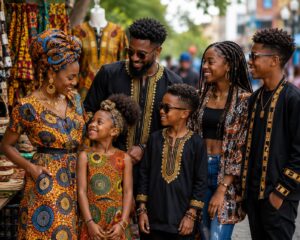
How Families Can Dress Children Well On A Budget Across The Black Community.

Dressing children well does not have to mean spending more than the family can afford. Children grow quickly, play hard, stain clothes, lose jackets, wear out shoes, change sizes, and sometimes outgrow items before they have been worn many times. For parents and caregivers, keeping children clothed for school, church, family events, sports, travel, holidays, and everyday life can become expensive if there is no plan. That is why learning how to shop wisely matters. Across the Black community, clothing has often carried meaning beyond basic need. Families have long understood the value of showing up with dignity, whether for school, church, work, family gatherings, graduations, community events, or special occasions. Many parents and grandparents made sure children looked presentable even when money was tight because they wanted them to feel confident and respected. That tradition of care still matters today, but families also need practical ways to balance style, comfort, quality, and budget. Children do not need the most expensive brands to look good or feel confident. They need clothing that fits well, feels comfortable, matches the season, allows them to move, and helps them show up with self-respect. A simple clean outfit, a good pair of shoes, a warm coat, a few strong basics, and thoughtful accessories can do more than a closet full of items that do not fit or last. Dressing well is not only about money. It is about planning, care, and knowing how to make smart choices. Budget-friendly clothing also gives families a chance to teach children important lessons. Children can learn the difference between needs and wants, how to take care of what they own, why quality matters, how to shop sales, how to avoid pressure from trends, and how to feel confident without comparing themselves to others. When clothing is handled with wisdom, it becomes more than fashion. It becomes a lesson in responsibility, confidence, and family values. 1. Start With What Children Actually Need. Before buying new clothes, families should begin by looking carefully at what the child already has. Many closets and drawers hold items that still fit, items that need washing, items that can be repaired, and items that were forgotten. Taking inventory helps parents avoid buying duplicates and makes it easier to see what is truly missing. A child may not need a completely new wardrobe. They may need two pairs of school pants, a few shirts, socks, underwear, a jacket, shoes, or one outfit for a special event. When families shop from a clear list, they are less likely to be pulled into impulse purchases. This is especially helpful during back-to-school season, holidays, and seasonal changes when stores encourage families to buy more than they planned. Children can be included in this process in age-appropriate ways. A parent might ask the child to try on clothes, separate items that no longer fit, and help identify what they still like. This teaches children to understand clothing as part of planning rather than constant shopping. It also helps them appreciate what they already have. Starting with real needs protects the family budget. It also reduces clutter. A smaller wardrobe that fits well and is used often is usually better than a large wardrobe full of items that are uncomfortable, outdated, or rarely worn. 2. Build A Wardrobe Around Strong Basics. Strong basics are the foundation of affordable children’s clothing. These are the items children can wear again and again in different combinations. Basics may include solid color shirts, jeans, leggings, joggers, hoodies, sweaters, cardigans, school pants, simple dresses, sneakers, jackets, and comfortable shoes. When basics are chosen wisely, families can create many outfits from fewer pieces. This approach is helpful because children often need clothes that can handle real life. They need items for school, play, errands, family visits, and casual events. Trendy pieces can be fun, but basics usually stretch the budget further. A plain shirt can be worn under a jacket, with jeans, with a skirt, under overalls, or with school pants. A good hoodie can work for many casual days. A comfortable pair of shoes may be used almost every day. Families can choose neutral colors mixed with a few brighter pieces. Neutral colors like black, navy, gray, denim, white, tan, and brown are easier to match, while brighter colors and prints can add personality. This gives children style without requiring too many separate outfits. Basics also make mornings easier. When most items match, children can get dressed with less stress. Parents can spend less time searching for something that works and more time helping children prepare calmly for the day. 3. Quality Matters More Than Quantity. When shopping on a budget, it can be tempting to buy the cheapest item every time. Sometimes that works, especially for children who grow quickly. But the cheapest item is not always the best value if it falls apart, shrinks badly, fades quickly, or becomes uncomfortable after a few washes. Families should think about cost per wear, not only the price tag. A slightly better pair of shoes, coat, backpack, or school pants may last longer than a cheaper version that has to be replaced quickly. For items children wear often, quality matters. This is especially true for shoes, winter coats, uniforms, jeans, and clothing used for active play. Spending wisely on these items can save money over time. Families can check seams, fabric thickness, zippers, buttons, soles, and washing instructions before buying. A quick check can help avoid items that look nice in the store but do not hold up well. Parents can also read reviews when shopping online to see whether other families mention sizing, durability, or shrinking. Quality does not always mean expensive. Many affordable stores carry strong basics if families shop carefully. Clearance racks, outlet stores, resale shops, and seasonal sales can also make better-quality items more reachable. 4. Shop Sales With A Plan, Not Panic. Sales can help families save money, but only when shopping is done with a plan. A sale is
Read More »
Fashion
Muhammed Wasim

How Cultural Fashion Builds Confidence Across The Black Community.

Fashion is more than what someone wears. It can be a form of self-expression, cultural memory, family pride, creativity, confidence, and identity. Across the Black community, fashion has always carried meaning. Clothing, hairstyles, colors, fabrics, jewelry, headwraps, shoes, church outfits, school clothes, uniforms, festival wear, professional style, and everyday personal choices can all say something about who people are, where they come from, and how they want to show up in the world. Cultural fashion is powerful because it helps people connect the outside appearance with the inner story. A person may wear African prints to honor heritage, a headwrap to express beauty and tradition, a sharp suit to show dignity and professionalism, a church hat connected to family memories, a hairstyle that celebrates natural texture, or jewelry made by a local designer. These choices can carry personal meaning even when they look simple to someone else. For children and teens, fashion can play an important role in confidence. Young people are constantly receiving messages about beauty, popularity, body image, hair, skin tone, style, and belonging. Some of those messages can be encouraging, but others can create pressure or insecurity. When families teach children to understand cultural style with pride, young people can begin to see themselves with more respect. They learn that their features, hair, creativity, and heritage are not things to hide. They are part of their identity. Cultural fashion should not be about forcing one look on everyone. The Black community is diverse, and style can look different from family to family. Some people love bold prints and bright colors. Some prefer classic, simple clothing. Some express culture through hair. Some express it through accessories, shoes, art, or handmade pieces. What matters is that families understand fashion as one way to celebrate dignity, creativity, and self-respect. 1. Cultural Fashion Helps People Tell Their Story. Every person has a story, and fashion can help tell part of it. A family may have clothing traditions connected to church, holidays, graduations, weddings, reunions, cultural festivals, or family photos. An elder may remember dressing up for Sunday service. A parent may remember a special outfit worn for a milestone. A child may remember the first time they wore something that made them feel proud. These memories show that fashion is often connected to important moments in life. Cultural fashion can also tell stories about ancestry and community. African prints, Caribbean colors, Afrocentric jewelry, natural hairstyles, headwraps, handwoven fabrics, locally designed clothing, and family heirlooms can all connect people to a larger cultural story. A bracelet, scarf, dress, jacket, or necklace may become a conversation starter that allows someone to explain where it came from or why it matters. Parents and caregivers can help children understand this by talking about clothing with meaning. Instead of treating outfits only as appearance, they can ask what certain colors, patterns, or styles represent. They can explain why a family member wears certain pieces during special events or why a particular hairstyle carries pride. These conversations help children see fashion as part of culture. When young people understand that style can tell a story, they may become more thoughtful about how they present themselves. They learn that clothing is not only about trends. It can also reflect values, memory, creativity, and confidence. 2. Hair Is A Powerful Part Of Cultural Identity. Hair is one of the most personal parts of identity. Across the Black community, hair can carry beauty, creativity, history, protection, care, style, and cultural pride. Braids, twists, locs, afros, curls, fades, waves, cornrows, silk presses, headwraps, bantu knots, protective styles, and natural textures all reflect a wide range of expression. For many families, hair care is also connected to bonding, patience, and tradition. Children often develop feelings about their hair early. If they hear negative comments about texture, length, darkness, shrinkage, or style, they may begin to feel insecure. If they hear affirming words and see their hair treated with care, they are more likely to grow in confidence. Families have a powerful role in shaping how children feel about their natural beauty. Hair time can become more than grooming. It can become connection time. A parent braiding a child’s hair, an elder sharing hair care wisdom, a barber encouraging a young boy, or a stylist helping a teen feel confident can all become meaningful experiences. These moments teach children that their hair deserves care and respect. It is also important to teach children that there is no single correct way to wear their hair. Healthy self-expression can include many styles. The goal is not to judge one another’s choices, but to help children understand that their hair is valuable and worthy of dignity in every form. 3. Fashion Can Help Children Build Confidence. Children and teens often use clothing to explore who they are. They may want to choose colors, shoes, accessories, hairstyles, or outfits that reflect their personality. This can be a healthy part of development when guided with respect and boundaries. Fashion can help young people feel more confident, creative, and comfortable in their own skin. Confidence grows when children are allowed to express themselves in age-appropriate ways. A child who chooses a favorite color, helps pick an outfit for a family event, or wears a culturally meaningful accessory may feel proud. A teen who learns how to dress for school, interviews, community events, or special occasions may feel more prepared and self-assured. Families can support this by teaching style with purpose. Children can learn that different settings may call for different clothing. What is appropriate for a picnic may be different from what is appropriate for a school program, church service, interview, cultural event, or formal ceremony. This teaches discernment without crushing individuality. Fashion should help children feel confident, not pressured. Parents and caregivers can encourage young people to dress with self-respect, comfort, and creativity while reminding them that their worth is deeper than appearance. Confidence is strongest when style supports identity instead of becoming the only measure of

Read More »
Skip to content