We’re hiring passionate Mentors, Tutors, Program Coordinators & Security Officers to empower youth in Maryland, Washington D.C., Virginia Apply now and make a difference!
Life Youth Mentorship & Tutoring (LYMT) – Second Batch Now Open!
After successfully completing our first year LYMT program, we’re excited to welcome our second batch of students! Led by college educated mentors & tutors, LYMT offers academic support, life skills, STEM tutoring, and enriching activities to help youth excel.
Special Offer: Enroll now for just $200/month (was $250) – limited seat only! (Click here)

Tag: community connection

Recreation-Blog
Muhammed Wasim

How Outdoor Recreation Builds Stronger Wellness Across The Black Community.

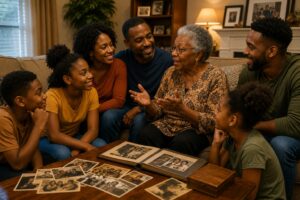
Outdoor recreation is one of the simplest ways families and communities can support wellness. A walk in the park, a family picnic, a basketball game, a playground visit, a bike ride, a community field day, a nature trail, a weekend sports activity, or even a quiet moment outside can help people move their bodies, clear their minds, and feel more connected. Recreation does not have to be expensive or complicated to be meaningful. Sometimes the most powerful wellness habits begin with families choosing to step outside together. Across the Black community, outdoor recreation can support physical health, emotional wellness, family bonding, youth development, and neighborhood connection. Many households are busy with work, school, caregiving, bills, technology, and daily responsibilities. Children may spend more time on screens. Adults may feel tired or stressed. Elders may feel isolated. Families may want healthier routines but not know where to begin. Outdoor recreation gives everyone a practical starting point because it combines movement, fresh air, conversation, and shared experience. Recreation should not be seen as something extra that only happens when everything else is finished. It is part of wellness. Children need play to grow. Teens need positive outlets for stress and energy. Adults need movement and mental relief. Elders need connection and safe opportunities to stay active when possible. Families need time together that is not only focused on chores, school pressure, bills, or problems. Outdoor recreation helps create those moments. The goal is not perfection. A family does not need to join an expensive program, buy a lot of gear, or travel far away. They can begin with what is nearby: a local park, a sidewalk, a school field, a community center, a backyard, a walking path, a recreation league, or a neighborhood event. When outdoor activity becomes part of family and community life, it can strengthen health, confidence, joy, and belonging. 1. Outdoor Recreation Helps Families Move More Naturally. Many people know physical activity is important, but exercise can feel intimidating when it sounds like a strict workout plan. Outdoor recreation makes movement feel more natural. A child running at the playground, a parent walking around the park, a teen playing basketball, an elder stretching outside, or a family dancing at a community event are all forms of movement. These activities support the body without always feeling like formal exercise. This matters because families are more likely to continue habits that feel enjoyable. If movement is always connected to pressure, punishment, or body shame, people may avoid it. But when movement is connected to play, family time, music, sports, laughter, and fresh air, it becomes easier to repeat. A walk after dinner may become a routine. A Saturday park visit may become a family tradition. A friendly game may become a regular way to stay active. Children especially benefit from active play. Running, climbing, jumping, throwing, catching, biking, and dancing help develop coordination, confidence, and strength. Teens benefit from sports and outdoor challenges that help them release energy and build discipline. Adults benefit from regular movement that supports long-term health. Elders benefit from safe activity that helps maintain mobility and connection. Families can begin small. Ten minutes outside is better than no movement at all. A short walk, a playground stop, or a quick family stretch can become the beginning of a healthier routine. 2. Outdoor Time Can Support Mental And Emotional Wellness. Outdoor recreation is not only good for the body. It can also help the mind. Fresh air, sunlight, open space, nature sounds, movement, and a change of environment can help reduce stress and improve mood. When people spend too much time indoors, overwhelmed by work, school, screens, and responsibilities, stepping outside can create a sense of relief. Across many households, stress can build quietly. Parents may feel pressure from work and bills. Teens may feel pressure from school and social media. Children may feel restless. Elders may feel lonely. Outdoor recreation can give families a healthier way to reset. A walk, a park visit, or a quiet sit outside can create space for conversation and calm. Nature does not solve every emotional concern, but it can support wellness. A child who is upset may calm down after playing outside. A teen who is stressed may open up during a walk more easily than during a serious sit-down conversation. An adult who feels overwhelmed may think more clearly after moving their body. These moments matter. Families can use outdoor time as a gentle check-in. Instead of only asking serious questions at the table or during conflict, caregivers can ask while walking, driving to a park, sitting outside, or watching children play. Sometimes fresh air makes hard conversations feel easier. 3. Parks And Playgrounds Can Strengthen Family Connection. Parks and playgrounds give families a place to spend time together without needing a major plan. A child can play, a caregiver can watch and engage, siblings can share space, and relatives can enjoy a relaxed outing. These spaces can become important for families who need affordable ways to connect and unwind. A park visit can include many small bonding moments. A parent pushing a swing, an older sibling helping a younger child climb, a family sharing fruit at a picnic table, a grandparent watching children run, or a caregiver teaching a child how to throw a ball can all create memories. These moments may seem simple, but children often remember them. Parks also give families a break from the pressure of being indoors. At home, there may be laundry, dishes, homework, television, phones, and chores competing for attention. Outside, families may find it easier to be present with one another. The space itself invites movement and interaction. Families can make park time more meaningful by creating simple routines. They might bring water, healthy snacks, a ball, a blanket, books, bubbles, or sidewalk chalk. They might choose one day each week or month for outdoor family time. Consistency helps children look forward to recreation as part of family life. 4. Recreation

Read More »
Social Topics-Blog
Muhammed Wasim

How Neighborhood Gatherings Build Stronger Connections Across The Black Community.

Neighborhood gatherings have always been one of the simplest ways people build trust, friendship, and community pride. A block party, cookout, park day, shared meal, youth activity, outdoor game, community cleanup, or small meet-and-greet can help families move from simply living near each other to actually knowing each other. In a time when many people are busy, tired, working long hours, and spending more time online, these face-to-face moments matter more than ever. Across the Black community, neighborhood connection has deep meaning. The village was often built through everyday relationships. It was the neighbor who watched children walk home from school, the elder who knew every family on the street, the parent who organized food for a grieving household, the local business owner who remembered names, and the community member who noticed when something did not feel right. These connections helped families feel safer, stronger, and less alone. Today, many neighborhoods still need that kind of care. Families may live close together but not know each other well. Parents may be raising children without nearby support. Elders may feel isolated. Young people may need positive adults around them. New families may want to feel welcome but not know where to begin. A neighborhood gathering can become the first step toward rebuilding those relationships. A gathering does not have to be large, expensive, or perfectly organized to matter. Sometimes the strongest community moments begin with a few families, a few chairs, some food, music, games, and a willingness to talk. What matters most is creating a space where people feel seen, welcomed, and respected. When neighbors gather with purpose, they can begin to rebuild the kind of community care that families need. 1. Neighborhood Gatherings Help People Learn Each Other’s Names. One of the first steps toward building community is simply learning who lives nearby. Many people pass each other every day without knowing names, family situations, needs, or stories. A neighborhood gathering gives people a natural reason to introduce themselves, speak with kindness, and begin building familiarity. Knowing a neighbor’s name may seem small, but it can change the feeling of a street, apartment building, block, or local community. A person who was once a stranger becomes someone familiar. A parent may discover another family with children the same age. An elder may meet someone willing to check in. A young person may meet a mentor. A new resident may feel less alone. These introductions also help create trust. Trust usually does not appear overnight. It grows through repeated contact, friendly conversations, and small moments of respect. A gathering gives neighbors the first opportunity to begin that process. Once people have shared a meal, laughed together, or talked about local concerns, it becomes easier to greet each other later. Families can help children participate by teaching them to greet elders, introduce themselves politely, and speak respectfully with neighbors. These simple manners help children understand that community is built through connection, not only through shared space. 2. Gatherings Create A Safer Feeling In The Neighborhood. A connected neighborhood often feels safer because people are more aware of one another. When neighbors know each other, they are more likely to notice when something seems unusual, check on children, look out for elders, and communicate about concerns. Safety is not only about rules or security. It is also about relationships. A neighborhood gathering can help families identify trusted people nearby. Parents may learn who lives near the bus stop. Elders may learn who they can call if they need help. Neighbors may exchange phone numbers for emergencies. Families may discuss traffic concerns, unsafe areas, lighting issues, or ways to support children moving through the neighborhood. This kind of safety should be rooted in care, not fear. The goal is not to make people suspicious of each other. The goal is to build awareness and responsibility. A strong neighborhood watches out for children without controlling them unfairly. It checks on elders without taking away their dignity. It responds to concerns without turning every issue into conflict. When people gather regularly, they become more invested in the well-being of the area. A person is more likely to care for a place when they feel connected to the people in it. 3. Children Benefit From Seeing Positive Community Relationships. Children learn what community means by watching adults. If they see adults ignoring one another, arguing constantly, or staying disconnected, they may grow up thinking that neighborhood relationships do not matter. But when children see adults greeting neighbors, sharing food, helping elders, organizing games, cleaning shared spaces, and speaking with respect, they learn that community care is part of life. Neighborhood gatherings give children positive memories. They may remember playing outside with other children, eating food with family, hearing music, meeting elders, joining games, helping set up tables, or watching adults laugh together. These memories can help children feel rooted and connected to their community. Gatherings can also give children safe opportunities to interact with people of different ages. They may talk with elders, play with younger children, meet teens, and see adults working together. This helps them build social confidence and respect across generations. Families can include children in planning. Children can help make signs, prepare food, choose games, set up chairs, pass out water, or clean up afterward. When children help, they learn that community events are not only something to attend. They are something people build together. 4. Elders Should Be Included And Honored. Elders carry neighborhood memory. They often know how the community has changed, who lived there before, what traditions mattered, and what lessons younger generations should not forget. A neighborhood gathering becomes stronger when elders are included, welcomed, and treated with respect. Including elders may require thoughtful planning. They may need seating, shade, transportation, accessible restrooms, quieter areas, or someone to walk with them. These details matter because they communicate that elders are not an afterthought. They are part of the heart of the community. Elders can contribute in meaningful

Read More »
African Diaspora
Muhammed Wasim

How DMV Families Can Celebrate African Diaspora Heritage All Year.

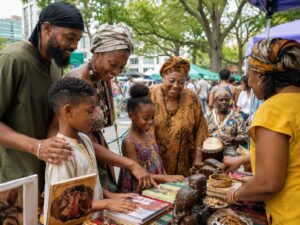
African Diaspora heritage should not be celebrated only during one month, one holiday, one festival, or one special event. It is something families can honor throughout the year in simple and meaningful ways. Heritage lives in food, music, family stories, books, language, faith, art, clothing, history, local businesses, community gatherings, and the everyday choices families make to remember who they are and where they come from. For families across the DMV, there are many opportunities to keep that connection alive. Washington, D.C., Maryland, and Virginia are full of African Diaspora culture. Families can find African American history, African immigrant communities, Caribbean influence, Afro-Latin traditions, Black-owned businesses, cultural restaurants, local artists, historic neighborhoods, museums, churches, mosques, bookstores, markets, festivals, and community organizations all across the region. This gives parents, caregivers, elders, and mentors many ways to help children experience culture as something close, real, and personal. Celebrating heritage all year does not require a large budget or complicated plan. A family can begin with one meal, one book, one conversation with an elder, one visit to a museum, one local business supported, one song discussed, one family photo preserved, or one cultural event attended. Small actions matter because they are repeated. When children experience culture again and again, it becomes part of their identity instead of something they only hear about occasionally. The goal is not to make heritage feel like homework. The goal is to help families build pride, connection, curiosity, and memory. Children should learn that African Diaspora heritage includes struggle, but it also includes joy, brilliance, creativity, leadership, faith, beauty, music, food, business, invention, family strength, and community love. When families celebrate that fullness all year, they help the next generation feel more rooted and confident. 1. Make Culture Part Of Everyday Family Conversation. One of the easiest ways to celebrate heritage all year is to talk about it regularly. Families do not need a formal lesson every time. Culture can be discussed naturally during meals, car rides, bedtime, family gatherings, school projects, music listening, movie nights, or community outings. A simple conversation can help children understand that culture is part of daily life, not something separate from it. Parents and caregivers can ask children what they are learning about history, what music they enjoy, what foods they are curious about, or what they know about their family background. Elders can share memories about where they grew up, what traditions mattered, what holidays looked like, what songs were sung, what foods were cooked, and what values helped the family stay strong. These conversations help children connect family life to the wider African Diaspora story. Culture conversations should leave room for questions. Children may ask why certain traditions matter, why history includes painful moments, why different families celebrate differently, or why some stories were not taught in school. Adults do not need to have perfect answers. They can say, “That is a good question. Let’s learn together.” This teaches children that heritage is something worth exploring with honesty and care. When culture becomes part of normal conversation, children begin to see it as something alive. They learn that their identity is not hidden or occasional. It belongs in the home, at the table, in the car, at school, and in community life. 2. Visit Local Museums And Historic Places Throughout The Year. The DMV offers many opportunities for families to connect with history through museums, monuments, cultural centers, historic neighborhoods, and local landmarks. These places can help children see history beyond textbooks. They can look at photographs, documents, clothing, tools, artwork, music, videos, and personal stories that make the past feel more real. A museum visit does not have to be rushed. Families can choose one section, one exhibit, or one theme at a time. Trying to see everything in one day can overwhelm children. A slower visit allows them to ask better questions and remember more. Parents might ask what stood out, what surprised them, what made them proud, or what they want to learn more about. Historic places can also help children understand that the DMV itself carries deep history. A walk through a neighborhood, a visit to a historic church, a local mural, a school site, a community center, or a landmark connected to Black history can show children that important stories happened close to home. This helps them see their region with more pride. Families can make museum and history visits a regular tradition. One outing every few months can build a strong foundation over time. Children may not remember every detail, but they will remember that their family made history and culture important. 3. Use Food To Teach Heritage With Joy. Food is one of the most natural ways to celebrate African Diaspora heritage. A family meal can carry history, geography, memory, and love. Across the DMV, families can experience African American, Caribbean, African, Afro-Latin, Southern, and other Diaspora food traditions through home cooking, restaurants, markets, festivals, and family gatherings. Parents and caregivers can use meals as learning moments without making them feel heavy. They might explain where a dish comes from, who taught the family to cook it, what ingredients are used, or why it appears during certain holidays or gatherings. Children can help prepare meals, taste new foods, compare flavors, and ask questions about different cultures. Trying new foods can also help children understand the diversity of the African Diaspora. A child may eat jollof rice one month, jerk chicken another month, injera another time, gumbo at a family gathering, or rice and peas at a community event. These experiences show that culture is wide and varied, not limited to one tradition. Food also creates joy. Children may remember the smell of a favorite dish, the laughter during cooking, the elder who seasoned without measuring, or the restaurant where the family tried something new. These memories become part of how culture is passed forward. 4. Support Diaspora-Owned Businesses In The DMV. Supporting local businesses is a practical way to celebrate heritage

Read More »
Social Topics-Blog
Akukulu

Why Family Storytelling Matters Across The Black Community.

Family storytelling is one of the most powerful ways a community keeps its memory alive. Long before children understand history books, records, documents, or timelines, they often understand stories. They hear about where a grandparent grew up, how a parent handled a hard season, what an elder remembers from childhood, how the family moved from one place to another, what traditions mattered, what lessons were learned, and what values helped people keep going. These stories may be shared at the kitchen table, on the porch, during a holiday meal, after church, in the car, at a reunion, or during a quiet moment when someone finally asks the right question. Across the Black community, storytelling has always carried deep meaning because so much history was preserved through voice, memory, music, food, faith, family gatherings, and community spaces. Not every story was written down. Not every sacrifice was recorded in official documents. Not every ancestor’s name was protected by institutions. Many families carried their history through the people who remembered, repeated, and passed it forward. That is why family storytelling should not be treated as something small or old-fashioned. It is part of cultural survival. When children hear family stories, they learn that they are connected to something larger than themselves. They begin to understand that their family did not begin with them. They learn about people who worked, prayed, migrated, served, cooked, built, studied, cared for children, started businesses, survived hardship, made mistakes, found joy, and created a path for the next generation. These stories help children feel rooted. They also help them understand that ordinary family lives are part of history too. Storytelling also strengthens relationships. It gives elders a chance to be heard, parents a chance to teach values, children a chance to ask questions, and families a chance to laugh, grieve, remember, and connect. A story can carry wisdom in a way that advice alone cannot. It can teach patience, courage, responsibility, faith, love, identity, and resilience without sounding like a lecture. When families keep telling their stories, they help protect culture, memory, and belonging. 1. Family Stories Help Children Understand Where They Come From. Children need to know where they come from because identity is stronger when it has roots. A child who knows something about their family’s journey may feel more connected to the people around them and more confident in who they are becoming. They may learn that their grandparents came from a small town, that their parents worked hard to build stability, that an aunt was the first to graduate, that an uncle served in the military, that a great-grandmother cooked for the neighborhood, or that the family moved for work, safety, education, or opportunity. These details may seem simple, but they help children understand that their family has a story. They learn that people before them made choices, carried burdens, created traditions, and opened doors. This can help children feel less alone when they face their own challenges. If they know their family has already survived hard seasons, they may believe they can keep going too. Family stories also help children understand that history is not only about famous people. It is also about everyday people who loved, worked, raised children, helped neighbors, and made a way. A child may hear about national leaders in school, but at home they can hear about family leaders whose names may never appear in textbooks. These personal stories make history feel closer and more meaningful. Parents and caregivers can begin by sharing simple memories. They can talk about where they grew up, what school was like, what games they played, what foods they ate, what relatives taught them, and what moments shaped them. Over time, these stories become part of the child’s understanding of family identity. 2. Elders Carry Wisdom That Should Be Preserved. Elders are living libraries. They carry memories of people, places, traditions, struggles, celebrations, and lessons that younger generations may never know unless someone takes time to ask. Many elders remember neighborhoods before they changed, family members who have passed away, recipes that were never written down, old sayings, church traditions, school experiences, work stories, migration journeys, and the values that helped families survive. When elders are invited to share stories, they are being honored. They are reminded that their lives matter and that their memories are still useful. Too often, older relatives are only asked for help, childcare, money advice, or prayer, but not always asked to tell their own stories. Listening to elders gives them dignity and gives younger generations a deeper inheritance. Families can preserve elder stories in simple ways. A younger relative can record a conversation on a phone, write notes in a family notebook, ask questions during a meal, or invite an elder to share a memory at a family gathering. Children can ask about childhood, favorite foods, first jobs, music, holidays, family lessons, and important moments. These questions can open the door to stories that might otherwise remain hidden. Preserving elder stories is also urgent because time is not guaranteed. Many families regret not asking more questions while elders were still able to answer. Starting now, even with one conversation, can help protect memories for future generations. 3. Storytelling Makes History Personal. History can feel distant when it is only presented through dates, names, and major events. Family storytelling makes history personal because it connects larger events to real lives. A child may learn about migration in school, but a grandparent’s story about moving from one state to another for work makes that history more real. A child may learn about segregation, but an elder’s memory of attending a certain school or using certain public spaces gives the lesson emotional meaning. Personal stories help children understand that history happened to families like theirs. It happened in homes, churches, schools, buses, workplaces, neighborhoods, and kitchens. It shaped where people lived, what jobs they had, how they raised children, what opportunities they could access, and what dreams they

Read More »
Recreation-Blog
Muhammed Wasim

Why Family Recreation Matters For Stronger Community Connections.

Recreation is sometimes treated like something extra, something families enjoy only after the serious parts of life are finished. Work, school, bills, appointments, caregiving, homework, and responsibilities often come first, while play, rest, outings, and family fun are pushed to the side. But recreation is not only entertainment. It is one of the ways families build connection, protect emotional wellness, create memories, and help children feel rooted in a loving community. Families across the community carry many responsibilities every day. Parents and caregivers may be working long hours, children may be dealing with school pressure, teens may be navigating social media and identity questions, and elders may be managing health needs or loneliness. In the middle of all of this, recreation gives families a chance to breathe together. It gives them a reason to laugh, move, talk, explore, and enjoy one another without every moment being centered on correction, stress, or obligation. Recreation can happen in many simple ways. It can be a walk in the park, a family game night, a basketball game, a picnic, a library event, a museum visit, a trip to a local festival, a movie night, a bike ride, a dance session in the living room, a youth sports program, a community cookout, or a quiet afternoon at a playground. The activity does not have to be expensive or complicated to matter. What matters is that families are spending time together in ways that build joy, belonging, and healthy relationships. For African Diaspora families and community households, recreation can also carry cultural meaning. Music, dance, food, storytelling, sports, outdoor gatherings, church events, neighborhood celebrations, and family reunions have long been ways people connect, heal, and pass down identity. When families make space for recreation, they are not escaping real life. They are strengthening the relationships that help them face real life together. 1. Recreation Helps Families Build Joy Into Everyday Life. Joy is an important part of family health, but it can easily be forgotten when life becomes busy or stressful. Many households spend most of their time moving from one responsibility to another, and children may begin to associate family life mostly with instructions, chores, schoolwork, discipline, and schedules. Recreation helps balance that by creating moments where the family can enjoy one another without everything feeling like a task. A simple game night, walk, outing, or shared activity can change the emotional tone of a home. It gives family members a chance to laugh together, tell stories, tease gently, celebrate small wins, and relax in one another’s presence. These moments may seem ordinary while they are happening, but they often become the memories children carry into adulthood. A child may not remember every lecture, but they may remember the night everyone played cards, the weekend picnic, the cousin basketball game, or the time the family danced together in the kitchen. Joy also helps strengthen emotional safety. When children know that family life includes laughter and fun, they may feel more comfortable opening up during harder moments. A household that makes room for joy can become a place where people feel more connected and less alone. Recreation reminds everyone that love is not only shown through providing, correcting, or protecting. Love is also shown through shared enjoyment. Families do not have to wait for a vacation or special event to create joy. Small moments count. A twenty-minute walk, a board game after dinner, a trip to the park, or a shared playlist while cleaning can help bring warmth into daily life. These moments help children understand that joy belongs in the home, not just outside of it. 2. Recreation Supports Children’s Emotional Wellness. Children need outlets for stress just like adults do. School pressure, friendships, social media, family changes, bullying, grief, fear, and identity questions can all affect a child’s emotional life. Sometimes children do not have the words to explain what they are feeling, but play and recreation can give them a way to release tension, express themselves, and feel more balanced. Physical activities like running, dancing, sports, biking, swimming, or playing outside can help children use energy in healthy ways. Creative activities like drawing, music, drama, storytelling, crafts, or cooking can help them express feelings that may be hard to say out loud. Even quiet recreational activities like puzzles, reading, nature walks, or family movie nights can help children feel calmer and more connected. Parents and caregivers may notice that children talk more easily during recreation than during serious sit-down conversations. A child may open up during a walk, while shooting hoops, while helping cook, or while riding in the car after an outing. These relaxed moments can make hard conversations feel less intimidating. Recreation creates natural openings for connection. When families make recreation part of the routine, children learn that emotional wellness includes rest, fun, movement, creativity, and connection. They begin to understand that taking care of the mind and heart is not only about solving problems. It is also about making space for healthy joy. 3. Shared Activities Strengthen Parent And Child Relationships. Strong parent and child relationships are built through repeated moments of attention. Children need to know that adults are not only present when something is wrong. They need time with parents and caregivers that is not centered only on correction, homework, chores, or discipline. Recreation gives adults a way to connect with children through shared experience. A parent who plays a game with a child, attends their sports event, takes them to the park, cooks with them, explores a museum, or sits beside them during a movie is communicating care through presence. The activity itself may be simple, but the message is powerful: “I want to spend time with you. I enjoy being with you. You matter to me.” This is especially important as children grow into teenagers. Teens may not always ask for family time in direct ways, and they may seem more interested in friends, phones, or independence. Still, many teens need meaningful connection with

Read More »
Skip to content