We’re hiring passionate Mentors, Tutors, Program Coordinators & Security Officers to empower youth in Maryland, Washington D.C., Virginia Apply now and make a difference!
Life Youth Mentorship & Tutoring (LYMT) – Second Batch Now Open!
After successfully completing our first year LYMT program, we’re excited to welcome our second batch of students! Led by college educated mentors & tutors, LYMT offers academic support, life skills, STEM tutoring, and enriching activities to help youth excel.
Special Offer: Enroll now for just $200/month (was $250) – limited seat only! (Click here)

Author: Muhammed Wasim

Education-Blog
Muhammed Wasim

How Respectful Discipline Helps Children Grow Across The Black Community.

Discipline is one of the most important parts of raising children, but it is also one of the most misunderstood. Some people hear the word discipline and think only about punishment, yelling, fear, or consequences. But discipline at its best is about teaching. It is about helping children learn self-control, responsibility, respect, patience, honesty, and better decision-making. A child does not come into the world already knowing how to manage emotions, follow routines, speak respectfully, share space, solve conflict, or think before acting. These skills have to be taught again and again with consistency and care. Across the Black community, many parents and caregivers carry strong values around respect, responsibility, family honor, education, faith, and preparation for the world. Adults often want children to behave well not only at home, but also at school, church, stores, family events, community gatherings, and public spaces. That desire is understandable because children need guidance, and families want them to grow into capable, respectful, and confident adults. However, the way discipline is handled can shape a child’s self-esteem, emotional safety, trust, and future behavior. Respectful discipline does not mean letting children do whatever they want. It does not mean ignoring disrespect, avoiding consequences, or allowing children to run the household. Children need boundaries. They need correction. They need adults who will say no when necessary. But respectful discipline means correction is done with purpose instead of anger, with teaching instead of humiliation, and with love instead of fear. It focuses on helping the child grow, not breaking the child down. When parents and caregivers discipline with respect, children are more likely to understand what they did wrong, why it matters, and how to make a better choice next time. They learn that consequences are connected to actions. They also learn that being corrected does not mean they are unloved or worthless. This balance matters because healthy discipline should protect both behavior and dignity. 1. Discipline Should Teach, Not Just Punish. Punishment may stop behavior for a moment, but teaching helps children understand why behavior needs to change. If a child is punished without explanation, they may only learn to avoid getting caught. They may not understand the deeper lesson. Respectful discipline helps children connect their actions to outcomes, feelings, safety, and responsibility. For example, if a child throws a toy, the lesson is not only “do not throw toys.” The deeper lesson may be that throwing can hurt someone, break property, and show that the child needs help managing frustration. A respectful response might include removing the toy for a time, helping the child calm down, and then talking about what they can do next time they feel angry. This teaches emotional control along with behavior. Parents and caregivers can ask simple questions after a child calms down. What happened? What were you feeling? Who was affected? What could you do differently next time? These questions help children think instead of only react. Younger children may need simpler language, but the principle is the same. Discipline becomes stronger when it teaches. A child who understands the lesson behind the consequence is more likely to grow from the experience. The goal is not only obedience in the moment. The goal is character over time. 2. Clear Expectations Help Children Feel Secure. Children behave better when they know what is expected. Confusion often leads to conflict because a child may not understand the rule, the routine, or the limit. Clear expectations help children feel secure because they know what adults want from them and what will happen if they do not follow through. Parents can explain expectations before problems happen. Before entering a store, a caregiver might say, “We are here to buy groceries. You can help me pick fruit, but we are not buying toys today.” Before a family event, an adult might say, “You need to greet elders respectfully, stay where I can see you, and come when I call.” Before homework time, a parent might say, “You can have a snack first, then we will work for twenty minutes.” These expectations should be realistic for the child’s age and development. A toddler cannot be expected to sit quietly for hours without movement. A teenager can handle more responsibility but may still need reminders and accountability. Children with autism, ADHD, anxiety, sensory needs, or learning differences may need expectations explained in clearer or more visual ways. When expectations are clear, discipline becomes less emotional. The adult is not making up rules in the moment. The child understands the standard, and the consequence feels more connected to the behavior. This helps reduce power struggles and confusion. 3. Calm Correction Works Better Than Constant Yelling. Many parents yell because they are tired, stressed, overwhelmed, or trying to get a child’s attention quickly. Every parent has hard moments. But when yelling becomes the main form of discipline, children may become fearful, defensive, numb, or more reactive. They may hear the volume more than the lesson. Calm correction does not mean weak correction. A calm adult can still be firm. In fact, calm firmness often carries more authority because the adult is in control of their own emotions. A parent can say, “Stop. That is not okay,” in a serious voice without screaming. They can follow through with a consequence without insulting the child. Children learn emotional regulation by watching adults. If adults respond to every problem with shouting, children may learn that anger is the normal way to handle conflict. If adults pause, breathe, speak clearly, and correct with control, children see a better model. They learn that strong feelings can be managed. This does not mean parents will never raise their voices. Real life is not perfect. But when yelling happens, adults can repair by saying, “I was frustrated, but I should not have yelled like that. The rule still matters, and we need to talk about what happened.” This teaches accountability in both directions. 4. Consequences Should Be Connected To The Behavior. Consequences are


Read More »
Business-Blog
Muhammed Wasim

What First-Time Borrowers Should Know Across The Black Community.

Borrowing money can feel helpful when a person is facing a major expense, trying to handle an emergency, building credit, paying for school, buying a car, starting a business, repairing a home, or covering a temporary financial gap. A loan can provide access to money when it is needed, but it also creates a responsibility that should be understood before any agreement is signed. For first-time borrowers, the most important step is not rushing into the money. It is learning what the loan will truly cost and how repayment will affect everyday life. Across the Black community, financial education around borrowing is important because many families are working hard to build stability, improve credit, support children, manage household needs, and create stronger futures. Some adults were never taught how loans, interest, credit reports, late payments, or fees work. Others may have learned through difficult experiences that came with stress, debt, or damaged credit. When families talk about borrowing with honesty and wisdom, they help the next generation avoid confusion and make better financial decisions. A loan is not free money. It is borrowed money that must be paid back, often with interest and sometimes with additional fees. The amount a person receives is not always the amount they will end up paying. A borrower may take out a small loan and later realize that the total cost is much higher because of interest, late fees, origination fees, insurance products, or a repayment schedule that stretches over time. This is why reading the details matters. Borrowing can be useful when handled carefully, but it can become dangerous when someone borrows without a plan. A first-time borrower should understand why the money is needed, whether there are other options, how much the monthly payment will be, what the interest rate means, when payments are due, and what happens if a payment is missed. Responsible borrowing begins with clear information, honest budgeting, and patience. 1. Understand Why You Are Borrowing Before You Apply. Before taking a loan, a borrower should be clear about the reason for borrowing. Some reasons may be practical and necessary, such as fixing transportation needed for work, covering an urgent home repair, paying for education, handling a medical expense, or supporting a carefully planned business need. Other reasons may be more emotional, such as wanting to keep up with others, buy something impressive, or avoid waiting and saving. The reason matters because it affects whether the loan is wise. A first-time borrower should ask whether the loan solves a real problem or creates a new one. Borrowing for something that supports income, safety, education, or necessary stability may be different from borrowing for something that loses value quickly or is not truly needed. This does not mean people should never enjoy life, but borrowing for temporary wants can create long-term pressure. It helps to write down the purpose of the loan before applying. If the purpose is unclear, that may be a sign to slow down. A borrower can ask, “Is this need urgent?” “Can I save for this instead?” “Can I reduce the amount I need?” “Will this loan help me move forward, or will it only make me feel better for a short time?” These questions can prevent rushed decisions. Borrowing should be connected to a plan. If there is no clear reason and no repayment plan, it may be better to wait, research, or seek advice before signing anything. 2. Know The Full Cost, Not Just The Monthly Payment. Many borrowers focus only on the monthly payment because that is the number that feels most immediate. A lender may say the payment is affordable, but the monthly payment does not always show the true cost of the loan. A smaller monthly payment spread over a longer period may end up costing much more in total because interest continues over time. First-time borrowers should ask about the total repayment amount. This means the full amount that will be paid back by the end of the loan, including interest and fees. If someone borrows $2,000, they need to know whether they will repay $2,200, $3,000, or even more depending on the terms. That difference matters. Fees should also be reviewed carefully. Some loans include application fees, origination fees, late fees, prepayment penalties, processing fees, or extra products added into the agreement. These costs can increase the amount owed. A borrower should never be afraid to ask a lender to explain every charge in plain language. Understanding the full cost helps people make better decisions. A loan that looks affordable at first may not be the best option when the total repayment amount is clear. The goal is not just to get approved. The goal is to borrow in a way that protects the household budget and future financial health. 3. Interest Rates Make A Big Difference. Interest is the cost of borrowing money. The lender gives money now, and the borrower pays back the loan with extra money added. The interest rate helps determine how much extra will be paid. A lower interest rate usually means the loan costs less, while a higher interest rate can make borrowing much more expensive. First-time borrowers should pay close attention to the annual percentage rate, often called APR. APR gives a broader picture of the yearly cost of borrowing because it may include interest and certain fees. A borrower should compare APRs when looking at loan options because two loans with the same payment amount may have very different total costs. High-interest loans can become difficult to manage. If too much of the payment goes toward interest, the borrower may feel like the balance is not going down quickly. This can create frustration and long-term debt pressure. People should be especially cautious with payday loans, cash advance loans, title loans, or any loan that has very high costs and short repayment terms. A borrower does not need to understand every financial formula, but they should understand this simple truth: interest

Read More »
Fashion
Muhammed Wasim

How Families Can Dress Children Well On A Budget Across The Black Community.

Dressing children well does not have to mean spending more than the family can afford. Children grow quickly, play hard, stain clothes, lose jackets, wear out shoes, change sizes, and sometimes outgrow items before they have been worn many times. For parents and caregivers, keeping children clothed for school, church, family events, sports, travel, holidays, and everyday life can become expensive if there is no plan. That is why learning how to shop wisely matters. Across the Black community, clothing has often carried meaning beyond basic need. Families have long understood the value of showing up with dignity, whether for school, church, work, family gatherings, graduations, community events, or special occasions. Many parents and grandparents made sure children looked presentable even when money was tight because they wanted them to feel confident and respected. That tradition of care still matters today, but families also need practical ways to balance style, comfort, quality, and budget. Children do not need the most expensive brands to look good or feel confident. They need clothing that fits well, feels comfortable, matches the season, allows them to move, and helps them show up with self-respect. A simple clean outfit, a good pair of shoes, a warm coat, a few strong basics, and thoughtful accessories can do more than a closet full of items that do not fit or last. Dressing well is not only about money. It is about planning, care, and knowing how to make smart choices. Budget-friendly clothing also gives families a chance to teach children important lessons. Children can learn the difference between needs and wants, how to take care of what they own, why quality matters, how to shop sales, how to avoid pressure from trends, and how to feel confident without comparing themselves to others. When clothing is handled with wisdom, it becomes more than fashion. It becomes a lesson in responsibility, confidence, and family values. 1. Start With What Children Actually Need. Before buying new clothes, families should begin by looking carefully at what the child already has. Many closets and drawers hold items that still fit, items that need washing, items that can be repaired, and items that were forgotten. Taking inventory helps parents avoid buying duplicates and makes it easier to see what is truly missing. A child may not need a completely new wardrobe. They may need two pairs of school pants, a few shirts, socks, underwear, a jacket, shoes, or one outfit for a special event. When families shop from a clear list, they are less likely to be pulled into impulse purchases. This is especially helpful during back-to-school season, holidays, and seasonal changes when stores encourage families to buy more than they planned. Children can be included in this process in age-appropriate ways. A parent might ask the child to try on clothes, separate items that no longer fit, and help identify what they still like. This teaches children to understand clothing as part of planning rather than constant shopping. It also helps them appreciate what they already have. Starting with real needs protects the family budget. It also reduces clutter. A smaller wardrobe that fits well and is used often is usually better than a large wardrobe full of items that are uncomfortable, outdated, or rarely worn. 2. Build A Wardrobe Around Strong Basics. Strong basics are the foundation of affordable children’s clothing. These are the items children can wear again and again in different combinations. Basics may include solid color shirts, jeans, leggings, joggers, hoodies, sweaters, cardigans, school pants, simple dresses, sneakers, jackets, and comfortable shoes. When basics are chosen wisely, families can create many outfits from fewer pieces. This approach is helpful because children often need clothes that can handle real life. They need items for school, play, errands, family visits, and casual events. Trendy pieces can be fun, but basics usually stretch the budget further. A plain shirt can be worn under a jacket, with jeans, with a skirt, under overalls, or with school pants. A good hoodie can work for many casual days. A comfortable pair of shoes may be used almost every day. Families can choose neutral colors mixed with a few brighter pieces. Neutral colors like black, navy, gray, denim, white, tan, and brown are easier to match, while brighter colors and prints can add personality. This gives children style without requiring too many separate outfits. Basics also make mornings easier. When most items match, children can get dressed with less stress. Parents can spend less time searching for something that works and more time helping children prepare calmly for the day. 3. Quality Matters More Than Quantity. When shopping on a budget, it can be tempting to buy the cheapest item every time. Sometimes that works, especially for children who grow quickly. But the cheapest item is not always the best value if it falls apart, shrinks badly, fades quickly, or becomes uncomfortable after a few washes. Families should think about cost per wear, not only the price tag. A slightly better pair of shoes, coat, backpack, or school pants may last longer than a cheaper version that has to be replaced quickly. For items children wear often, quality matters. This is especially true for shoes, winter coats, uniforms, jeans, and clothing used for active play. Spending wisely on these items can save money over time. Families can check seams, fabric thickness, zippers, buttons, soles, and washing instructions before buying. A quick check can help avoid items that look nice in the store but do not hold up well. Parents can also read reviews when shopping online to see whether other families mention sizing, durability, or shrinking. Quality does not always mean expensive. Many affordable stores carry strong basics if families shop carefully. Clearance racks, outlet stores, resale shops, and seasonal sales can also make better-quality items more reachable. 4. Shop Sales With A Plan, Not Panic. Sales can help families save money, but only when shopping is done with a plan. A sale is

Read More »
Health-Blog
Muhammed Wasim

Healthy Drink Choices For Families Across The Black Community.

Healthy drink choices can have a bigger impact on family wellness than many people realize. Families often talk about meals, snacks, exercise, and vitamins, but drinks are part of health too. What children, teens, adults, and elders drink every day can affect energy, hydration, mood, digestion, dental health, weight, blood sugar, focus, and long-term wellness. A household may be working hard to prepare better meals, but if most drinks are high in sugar, caffeine, or artificial ingredients, the family may still be taking in more than the body needs. Across the Black community, beverage habits are often connected to family routines, culture, celebrations, and convenience. Sweet tea, fruit punch, soda, flavored drinks, sports drinks, juice, coffee, lemonade, bottled beverages, and special occasion drinks may all show up at family gatherings, cookouts, church events, school lunches, parties, and everyday meals. These drinks can feel familiar and comforting, but families also need to understand how daily choices affect health over time. This does not mean every enjoyable drink must disappear from the home. Balance matters. A child can enjoy a special drink sometimes and still learn that water should be the main everyday choice. Adults can enjoy tea or coffee while also paying attention to sugar and portion sizes. Families can make homemade drinks that taste good without relying on too much added sugar. The goal is not to create fear around beverages. The goal is to help families make thoughtful choices that support the body. Small changes can make a real difference. Drinking more water, reducing sugary drinks, choosing unsweetened or lightly sweetened options, adding fruit or herbs for flavor, reading labels, limiting energy drinks, and teaching children why hydration matters can all support healthier habits. When families build better drink routines, they are investing in wellness in a simple and practical way. 1. Water Should Be The Main Everyday Drink. Water is one of the most important drinks for the body. It helps with hydration, digestion, circulation, temperature control, energy, focus, and overall wellness. Children need water to play, learn, and stay active. Adults need water to manage busy days, physical work, caregiving, and stress. Elders need hydration to support energy and body function, especially during hot weather or when managing health conditions. Many families know water is important, but drinking enough can still be difficult. Some children prefer sweet drinks because that is what they are used to. Some adults reach for coffee, soda, juice, or flavored beverages throughout the day because water feels plain. Building a water habit takes time, especially if the household has relied on sugary drinks for years. Families can make water easier by keeping it visible and available. A pitcher in the refrigerator, reusable water bottles, cold water with meals, or bottles packed for school and outdoor activities can help. Children may drink more water when it is part of the routine instead of something offered only when they are already thirsty. Water does not have to feel boring. Families can add slices of lemon, lime, cucumber, orange, berries, mint, or other fruit to give it a natural flavor. This can make water more appealing without turning it into a sugary drink. The goal is to help the family see water as normal, refreshing, and necessary. 2. Sugary Drinks Can Add Up Quickly. Sugary drinks can add a lot of sugar to the day without making people feel full. Soda, fruit punch, sweet tea, lemonade, flavored drinks, sports drinks, energy drinks, and some bottled juices can contain more sugar than families expect. A child may drink sugar at breakfast, lunch, after school, and dinner without anyone realizing how much has been added throughout the day. This matters because too much added sugar can affect energy, dental health, weight, blood sugar, and overall wellness. Children may experience quick energy followed by a crash. Adults may find it harder to manage healthy routines. Elders and people with certain health concerns may need to be especially mindful of sugar intake. While one drink may not seem like a big deal, repeated daily habits can become a problem over time. Families can begin by looking at labels together. Children and teens can learn to check how much sugar is in a drink. Parents can explain that some beverages that look healthy may still contain a lot of added sugar. This helps children become more thoughtful consumers instead of choosing only by flavor or packaging. Reducing sugary drinks does not have to happen overnight. A family might begin by replacing one sugary drink per day with water, choosing smaller portions, watering down juice, or saving sweet drinks for special occasions. Small steps are easier to maintain and can lead to better long-term habits. 3. Juice Should Be Used With Balance. Many parents think juice is always healthy because it comes from fruit. While some juices contain vitamins, they can also contain a lot of natural sugar and sometimes added sugar. Juice also does not usually provide the same fullness and fiber as whole fruit. A child may drink a large amount of juice quickly without feeling satisfied. Whole fruit is usually a better everyday choice because it gives the body fiber along with natural sweetness. An orange, apple, berries, grapes, melon, or peach can help children enjoy sweetness while also giving them more nutrition than many packaged drinks. Juice can still have a place, but it should be used with balance. Parents and caregivers can choose 100% juice when possible and serve smaller portions. They can also dilute juice with water for younger children or use it occasionally instead of making it the main drink all day. This helps children enjoy flavor without relying too heavily on sweet drinks. It is also helpful to teach children that fruit and fruit drinks are not the same thing. A child who understands that whole fruit gives the body more to work with may begin to make better choices. These simple lessons can support nutrition awareness early in life. 4. Homemade

Read More »
Health-Blog
Muhammed Wasim

Why Sun Protection Matters For Children Across The Black Community.

Outdoor play is important for children. It gives them space to move their bodies, build friendships, use imagination, enjoy fresh air, release energy, and experience the world beyond screens and indoor routines. Parks, playgrounds, sports fields, summer camps, family cookouts, beach trips, community festivals, neighborhood gatherings, and outdoor recreation can all become joyful parts of childhood. But when children spend time outside, families also need to think carefully about sun protection. Across the Black community, sun safety is sometimes misunderstood. Some people believe that children with deeper skin tones do not need sunscreen or cannot be affected by the sun in serious ways. While melanin does offer some natural protection, it does not make anyone completely immune to sunburn, skin irritation, heat exhaustion, dehydration, or long-term skin damage. Children still need protection, especially during hot weather, long outdoor events, sports practices, travel, and summer activities. Sun protection should not be treated as fear. Children need outdoor joy. They need play, movement, nature, sports, and community events. The goal is not to keep children indoors all the time. The goal is to help them enjoy outdoor life with wisdom. A child can have fun at the park and still wear sunscreen. A family can attend a festival and still take shade breaks. A teen can play sports and still drink enough water. Healthy outdoor habits allow children to enjoy the sun without being careless about their bodies. Parents, caregivers, schools, coaches, youth leaders, and community organizations all have a role to play. When adults plan ahead, children can stay safer, more comfortable, and more prepared during outdoor activities. Sun protection is not only about skin. It is also about hydration, clothing, timing, rest, and paying attention to how children feel in the heat. These small habits can help protect health while keeping outdoor experiences positive. 1. Deeper Skin Still Needs Sun Protection. One common myth is that children with darker skin do not need sun protection. This misunderstanding can cause families to overlook sunscreen, shade, hats, and other simple safety habits. Melanin can help protect the skin to a certain degree, but it does not block all damage from the sun. Children with deeper skin tones can still burn, develop uneven skin tone, experience irritation, or face long-term skin concerns from repeated exposure. This matters because sun damage may not always look the same on every skin tone. On lighter skin, sunburn may appear bright red. On deeper skin, sunburn may look darker, feel hot, tight, painful, itchy, or tender. Sometimes adults may miss the signs because they are expecting redness. Families should pay attention to how the child’s skin feels, not only how it looks. Teaching children that their skin deserves protection can also build healthy self-care habits. Sun protection should not be connected to fear or vanity. It should be explained as part of caring for the body. Just as children brush their teeth, wash their hands, drink water, and wear seatbelts, they can also learn to protect their skin when they spend time outside. When families normalize sunscreen and shade early, children are more likely to continue those habits as teens and adults. This is important because skin care is a lifelong health practice. 2. Sunscreen Should Become A Normal Outdoor Habit. Sunscreen is one of the simplest tools families can use to protect children during outdoor activities. It should be applied before children go outside for long periods, especially during sunny days, summer events, sports, swimming, beach trips, playground time, and outdoor camps. Many families remember sunscreen only during vacations, but children can receive a lot of sun exposure during ordinary days too. Parents and caregivers can make sunscreen part of the outdoor routine. Before leaving for a park, game, festival, or family cookout, sunscreen can be applied along with packing water, snacks, wipes, and extra clothes. When children see adults applying it consistently, it becomes normal instead of unusual. It is also important to reapply sunscreen when children are outside for a long time, especially if they are sweating or swimming. Many people apply sunscreen once and assume they are protected all day, but outdoor activity can reduce its effectiveness. Families should read product instructions and use sunscreen as directed. Some children may not like the feeling of sunscreen. In that case, families can try different types, such as lotions, sticks, or sprays used carefully. The goal is to find a safe and comfortable option that works for the child’s skin and routine. Making sunscreen easier to use can help the habit last. 3. Shade Breaks Help Children Stay Comfortable. Shade is a powerful part of sun protection. Children often become so focused on playing that they do not notice how hot, tired, or thirsty they are becoming. A scheduled shade break can help them cool down before they become overheated. This is especially important during summer afternoons, sports events, outdoor festivals, and long family gatherings. Families can look for shade under trees, tents, umbrellas, pavilions, porches, or indoor rest areas when available. If shade is limited, bringing a small umbrella, canopy, or portable shade option may help during longer events. Even short breaks can give children time to rest, drink water, and reset. Shade breaks should not feel like punishment. Adults can make them part of the activity. A child can come to the shade for fruit, water, a snack, a quick story, or a short conversation before returning to play. Teens may appreciate having a cooler place to sit between games or activities. Community events should also think about shade. If an event is designed for families, there should be areas where children, elders, and caregivers can rest away from direct sun. Shade makes outdoor gatherings safer and more welcoming for everyone. 4. Hydration Is Just As Important As Sunscreen. Sun safety is not only about the skin. It is also about keeping the body hydrated. Children can lose water quickly when they are running, sweating, playing sports, or spending time outside in

Read More »
Social Topics-Blog
Muhammed Wasim

How Neighborhood Gatherings Build Stronger Connections Across The Black Community.

Neighborhood gatherings have always been one of the simplest ways people build trust, friendship, and community pride. A block party, cookout, park day, shared meal, youth activity, outdoor game, community cleanup, or small meet-and-greet can help families move from simply living near each other to actually knowing each other. In a time when many people are busy, tired, working long hours, and spending more time online, these face-to-face moments matter more than ever. Across the Black community, neighborhood connection has deep meaning. The village was often built through everyday relationships. It was the neighbor who watched children walk home from school, the elder who knew every family on the street, the parent who organized food for a grieving household, the local business owner who remembered names, and the community member who noticed when something did not feel right. These connections helped families feel safer, stronger, and less alone. Today, many neighborhoods still need that kind of care. Families may live close together but not know each other well. Parents may be raising children without nearby support. Elders may feel isolated. Young people may need positive adults around them. New families may want to feel welcome but not know where to begin. A neighborhood gathering can become the first step toward rebuilding those relationships. A gathering does not have to be large, expensive, or perfectly organized to matter. Sometimes the strongest community moments begin with a few families, a few chairs, some food, music, games, and a willingness to talk. What matters most is creating a space where people feel seen, welcomed, and respected. When neighbors gather with purpose, they can begin to rebuild the kind of community care that families need. 1. Neighborhood Gatherings Help People Learn Each Other’s Names. One of the first steps toward building community is simply learning who lives nearby. Many people pass each other every day without knowing names, family situations, needs, or stories. A neighborhood gathering gives people a natural reason to introduce themselves, speak with kindness, and begin building familiarity. Knowing a neighbor’s name may seem small, but it can change the feeling of a street, apartment building, block, or local community. A person who was once a stranger becomes someone familiar. A parent may discover another family with children the same age. An elder may meet someone willing to check in. A young person may meet a mentor. A new resident may feel less alone. These introductions also help create trust. Trust usually does not appear overnight. It grows through repeated contact, friendly conversations, and small moments of respect. A gathering gives neighbors the first opportunity to begin that process. Once people have shared a meal, laughed together, or talked about local concerns, it becomes easier to greet each other later. Families can help children participate by teaching them to greet elders, introduce themselves politely, and speak respectfully with neighbors. These simple manners help children understand that community is built through connection, not only through shared space. 2. Gatherings Create A Safer Feeling In The Neighborhood. A connected neighborhood often feels safer because people are more aware of one another. When neighbors know each other, they are more likely to notice when something seems unusual, check on children, look out for elders, and communicate about concerns. Safety is not only about rules or security. It is also about relationships. A neighborhood gathering can help families identify trusted people nearby. Parents may learn who lives near the bus stop. Elders may learn who they can call if they need help. Neighbors may exchange phone numbers for emergencies. Families may discuss traffic concerns, unsafe areas, lighting issues, or ways to support children moving through the neighborhood. This kind of safety should be rooted in care, not fear. The goal is not to make people suspicious of each other. The goal is to build awareness and responsibility. A strong neighborhood watches out for children without controlling them unfairly. It checks on elders without taking away their dignity. It responds to concerns without turning every issue into conflict. When people gather regularly, they become more invested in the well-being of the area. A person is more likely to care for a place when they feel connected to the people in it. 3. Children Benefit From Seeing Positive Community Relationships. Children learn what community means by watching adults. If they see adults ignoring one another, arguing constantly, or staying disconnected, they may grow up thinking that neighborhood relationships do not matter. But when children see adults greeting neighbors, sharing food, helping elders, organizing games, cleaning shared spaces, and speaking with respect, they learn that community care is part of life. Neighborhood gatherings give children positive memories. They may remember playing outside with other children, eating food with family, hearing music, meeting elders, joining games, helping set up tables, or watching adults laugh together. These memories can help children feel rooted and connected to their community. Gatherings can also give children safe opportunities to interact with people of different ages. They may talk with elders, play with younger children, meet teens, and see adults working together. This helps them build social confidence and respect across generations. Families can include children in planning. Children can help make signs, prepare food, choose games, set up chairs, pass out water, or clean up afterward. When children help, they learn that community events are not only something to attend. They are something people build together. 4. Elders Should Be Included And Honored. Elders carry neighborhood memory. They often know how the community has changed, who lived there before, what traditions mattered, and what lessons younger generations should not forget. A neighborhood gathering becomes stronger when elders are included, welcomed, and treated with respect. Including elders may require thoughtful planning. They may need seating, shade, transportation, accessible restrooms, quieter areas, or someone to walk with them. These details matter because they communicate that elders are not an afterthought. They are part of the heart of the community. Elders can contribute in meaningful

Read More »
Business-Blog
Muhammed Wasim

How Teaching Children About Money Builds Stronger Futures Across The Black Community.

Teaching children about money is one of the most practical ways families can prepare the next generation for adulthood. Money affects almost every part of life, including food, housing, transportation, education, clothing, healthcare, savings, business, giving, emergencies, and future planning. Yet many children grow up seeing adults use money without ever being clearly taught how money works. They may hear adults talk about bills, prices, paychecks, debt, or financial stress, but they may not understand the habits and decisions behind those conversations. Across the Black community, money education matters because financial knowledge can help families build confidence, stability, and opportunity across generations. Many adults are still learning lessons they were never formally taught as children. Some people had to figure out budgeting, credit, saving, debt, banking, investing, taxes, and business ownership through trial and error. When families teach children earlier, they help reduce confusion later. They give young people tools that can protect them from common financial mistakes and help them make wiser choices. Teaching children about money does not mean placing adult stress on them. A child does not need to worry about rent, bills, or family hardship in a way that makes them feel unsafe. But children can learn age-appropriate lessons about needs, wants, saving, spending, earning, sharing, patience, responsibility, and planning. These lessons can be taught through everyday moments, such as grocery shopping, cooking at home, comparing prices, saving allowance, planning for a family outing, visiting a bank, supporting a local business, or discussing why the family chooses not to buy everything at once. Money lessons are strongest when they are connected to values. Families can teach children that money is not only for buying things. It is also a tool for caring for needs, preparing for emergencies, supporting others, building dreams, creating options, and strengthening community. When children learn this early, they are more likely to grow into adults who handle money with thoughtfulness, confidence, and purpose. 1. Children Need To Learn The Difference Between Needs And Wants. One of the first money lessons children can learn is the difference between needs and wants. Needs are things that help people live safely and responsibly, such as food, housing, clothing, transportation, basic school supplies, healthcare, and utilities. Wants are things people enjoy, such as toys, games, special snacks, new shoes beyond what is necessary, entertainment, decorations, or extra purchases. Both needs and wants can have a place in life, but children need to understand that needs usually come first. This lesson helps children understand why families make certain decisions. A child may ask for something in a store and feel disappointed when the answer is no. Instead of only saying, “We cannot afford that,” a parent or caregiver can explain, “Today we are buying what we need for dinner and school. We can plan for that other item later.” This helps the child connect spending choices to priorities. Teaching needs and wants also builds patience. Children begin to understand that wanting something does not mean it must be purchased immediately. They learn that families often plan, save, compare, and decide. This can help reduce impulsive spending later in life because the child has already practiced slowing down. Adults can make the lesson practical by inviting children to identify needs and wants during everyday shopping. For example, while buying groceries, a parent might ask, “Which items do we need for meals this week, and which items are treats?” This simple conversation helps children develop financial awareness in a natural way. 2. Saving Teaches Patience And Planning. Saving money is one of the most important habits children can learn. Saving teaches patience because children learn that they may need to wait before buying something they want. It also teaches planning because money is given a purpose before it is spent. A child who learns to save even small amounts begins to understand that financial goals are built step by step. Children do not need large amounts of money to practice saving. They can save coins, birthday money, allowance, chore earnings, or small gifts. A clear jar, envelope, or simple savings box can help younger children see progress. Older children and teens may use a savings account or digital tool with adult guidance. The method matters less than the habit. Families can help children create simple savings goals. A child might save for a book, toy, art supplies, sports item, special outing, gift for someone else, or future school need. When the child reaches the goal, they experience the satisfaction of planning and following through. That feeling can build confidence. Saving also prepares children for adult life. Adults often need to save for emergencies, transportation, education, housing, business ideas, and family goals. When children practice saving early, they are more likely to see saving as normal instead of something they only do when life becomes stressful. 3. Earning Money Helps Children Understand Work And Value. Children often see money being spent, but they may not understand how it is earned. Learning about earning helps children connect money to effort, skill, service, and responsibility. This does not mean children should be pushed into adult responsibilities too early, but they can learn that money usually comes through work, planning, and contribution. Age-appropriate earning opportunities can teach valuable lessons. A child might earn money by helping with extra tasks beyond normal family responsibilities, selling a small craft with adult support, helping a neighbor with a simple safe task, tutoring younger children when older, or participating in a youth entrepreneurship project. Teens may earn through part-time jobs, babysitting with proper safety, lawn care, digital design, tutoring, or other supervised opportunities. Earning teaches children that work should be respected. They begin to understand that a product or service has value because someone spent time, energy, and skill creating it. This can help them respect local businesses, family labor, and the effort adults put into providing for the household. Families should also teach that not every helpful act needs to be paid. Children should still

Read More »
Youth Mental Health
Muhammed Wasim

Why Self-Esteem Matters For Youth Across The Black Community.

Self-esteem is one of the most important parts of a young person’s emotional growth. It shapes how children and teens see themselves, how they respond to challenges, how they handle criticism, how they choose friends, how they speak up for themselves, and how they imagine their future. A young person with healthy self-esteem does not think they are better than everyone else. They simply understand that they have value, that their voice matters, and that mistakes do not erase their worth. Across the Black community, self-esteem matters because young people are growing up in a world that sends many messages about who they should be, how they should look, how they should act, what success should look like, and whether they are enough. Some messages come from school, social media, entertainment, peer groups, family expectations, and community experiences. Some messages are uplifting, but others can create pressure, insecurity, comparison, shame, or confusion. Children and teens need strong support systems to help them sort through those messages and hold on to a healthy sense of identity. Self-esteem is not built through compliments alone. Encouraging words matter, but young people also need consistency, safety, structure, honest guidance, cultural pride, positive relationships, healthy boundaries, and opportunities to grow. They need adults who correct them without crushing them, listen to them without dismissing them, and challenge them without making them feel worthless. They need to know that they are loved not only when they perform well, behave perfectly, or make adults proud, but also when they are learning, struggling, and becoming. When families and communities help youth build healthy self-esteem, they are helping prepare them for life. A confident young person is more likely to ask questions, try new things, recover from mistakes, resist negative peer pressure, choose safer friendships, and believe that their future is worth building. Self-esteem is not only personal. It affects the strength of the whole community because young people who know their value are better prepared to lead, serve, create, and care for others. 1. Self-Esteem Helps Youth Understand Their Worth. Every child needs to know that their worth is not something they have to earn every day. Grades, sports, popularity, appearance, talent, clothing, money, and social media attention can all affect how young people feel, but none of those things should become the foundation of their value. A child should know they matter because they are a person with life, gifts, feelings, thoughts, and purpose. When young people do not understand their worth, they may begin looking for value in unsafe places. They may accept poor treatment from friends, chase approval online, hide their real feelings, follow crowds they do not trust, or believe that one failure defines them. Low self-esteem can make youth more vulnerable to pressure because they may feel they must do whatever it takes to be accepted. Families can help by speaking worth into children consistently. This does not mean giving empty praise. It means reminding them that they are loved, capable of growth, and worthy of respect. A parent might say, “You made a mistake, but you are not a mistake,” or “Your grade matters, but it does not define your whole future,” or “You do not have to become someone else to be accepted here.” These messages matter because young people often carry adult words for years. Words spoken at home can either help build confidence or quietly damage it. Families should choose words that correct behavior while still protecting dignity. 2. Cultural Pride Can Strengthen Self-Esteem. A strong sense of cultural identity can help young people feel more grounded. When children and teens learn about the history, creativity, leadership, beauty, resilience, and diversity of the Black community and the wider African Diaspora, they gain a deeper understanding of where they come from. This knowledge can strengthen self-esteem because it reminds them that they are connected to a larger story of courage, brilliance, family, faith, creativity, and community strength. Cultural pride should not be reduced to one lesson, one month, or one holiday. It can be built through books, music, food, family stories, museums, festivals, local businesses, faith traditions, elders, art, fashion, and everyday conversations. When youth see culture reflected positively in the home and community, they are more likely to feel proud instead of unsure about who they are. This is especially important because young people may encounter stereotypes or limited images of their community. If those images are not balanced by truth, children may begin to internalize harmful ideas. Families and mentors can help by teaching the full story, including struggle, but also joy, invention, leadership, entrepreneurship, scholarship, service, and love. Cultural pride gives young people roots. It tells them they belong to a people with history and future. A young person who feels rooted may be better prepared to stand with confidence in spaces where others do not fully understand or value them. 3. Positive Words At Home Can Shape Confidence. The way adults speak to children can shape their inner voice. A child who constantly hears that they are lazy, bad, slow, dramatic, difficult, or not good enough may begin to believe those words. Even when adults are frustrated, repeated negative labels can become part of how a young person sees themselves. Over time, those words can weaken self-esteem. This does not mean adults should avoid correction. Children need guidance, discipline, and accountability. But correction should focus on the behavior, not destroy the child’s identity. There is a difference between saying, “You need to be more responsible with your homework,” and saying, “You never do anything right.” One statement addresses the problem. The other attacks the person. Families can build confidence by using words that are firm and loving at the same time. Adults can say, “I expect better because I know you can grow,” or “Let’s fix this together,” or “That choice was not okay, but I still believe in you.” These kinds of words help children understand that accountability and love can exist together. The

Read More »
Fashion
Muhammed Wasim

How Cultural Fashion Builds Confidence Across The Black Community.

Fashion is more than what someone wears. It can be a form of self-expression, cultural memory, family pride, creativity, confidence, and identity. Across the Black community, fashion has always carried meaning. Clothing, hairstyles, colors, fabrics, jewelry, headwraps, shoes, church outfits, school clothes, uniforms, festival wear, professional style, and everyday personal choices can all say something about who people are, where they come from, and how they want to show up in the world. Cultural fashion is powerful because it helps people connect the outside appearance with the inner story. A person may wear African prints to honor heritage, a headwrap to express beauty and tradition, a sharp suit to show dignity and professionalism, a church hat connected to family memories, a hairstyle that celebrates natural texture, or jewelry made by a local designer. These choices can carry personal meaning even when they look simple to someone else. For children and teens, fashion can play an important role in confidence. Young people are constantly receiving messages about beauty, popularity, body image, hair, skin tone, style, and belonging. Some of those messages can be encouraging, but others can create pressure or insecurity. When families teach children to understand cultural style with pride, young people can begin to see themselves with more respect. They learn that their features, hair, creativity, and heritage are not things to hide. They are part of their identity. Cultural fashion should not be about forcing one look on everyone. The Black community is diverse, and style can look different from family to family. Some people love bold prints and bright colors. Some prefer classic, simple clothing. Some express culture through hair. Some express it through accessories, shoes, art, or handmade pieces. What matters is that families understand fashion as one way to celebrate dignity, creativity, and self-respect. 1. Cultural Fashion Helps People Tell Their Story. Every person has a story, and fashion can help tell part of it. A family may have clothing traditions connected to church, holidays, graduations, weddings, reunions, cultural festivals, or family photos. An elder may remember dressing up for Sunday service. A parent may remember a special outfit worn for a milestone. A child may remember the first time they wore something that made them feel proud. These memories show that fashion is often connected to important moments in life. Cultural fashion can also tell stories about ancestry and community. African prints, Caribbean colors, Afrocentric jewelry, natural hairstyles, headwraps, handwoven fabrics, locally designed clothing, and family heirlooms can all connect people to a larger cultural story. A bracelet, scarf, dress, jacket, or necklace may become a conversation starter that allows someone to explain where it came from or why it matters. Parents and caregivers can help children understand this by talking about clothing with meaning. Instead of treating outfits only as appearance, they can ask what certain colors, patterns, or styles represent. They can explain why a family member wears certain pieces during special events or why a particular hairstyle carries pride. These conversations help children see fashion as part of culture. When young people understand that style can tell a story, they may become more thoughtful about how they present themselves. They learn that clothing is not only about trends. It can also reflect values, memory, creativity, and confidence. 2. Hair Is A Powerful Part Of Cultural Identity. Hair is one of the most personal parts of identity. Across the Black community, hair can carry beauty, creativity, history, protection, care, style, and cultural pride. Braids, twists, locs, afros, curls, fades, waves, cornrows, silk presses, headwraps, bantu knots, protective styles, and natural textures all reflect a wide range of expression. For many families, hair care is also connected to bonding, patience, and tradition. Children often develop feelings about their hair early. If they hear negative comments about texture, length, darkness, shrinkage, or style, they may begin to feel insecure. If they hear affirming words and see their hair treated with care, they are more likely to grow in confidence. Families have a powerful role in shaping how children feel about their natural beauty. Hair time can become more than grooming. It can become connection time. A parent braiding a child’s hair, an elder sharing hair care wisdom, a barber encouraging a young boy, or a stylist helping a teen feel confident can all become meaningful experiences. These moments teach children that their hair deserves care and respect. It is also important to teach children that there is no single correct way to wear their hair. Healthy self-expression can include many styles. The goal is not to judge one another’s choices, but to help children understand that their hair is valuable and worthy of dignity in every form. 3. Fashion Can Help Children Build Confidence. Children and teens often use clothing to explore who they are. They may want to choose colors, shoes, accessories, hairstyles, or outfits that reflect their personality. This can be a healthy part of development when guided with respect and boundaries. Fashion can help young people feel more confident, creative, and comfortable in their own skin. Confidence grows when children are allowed to express themselves in age-appropriate ways. A child who chooses a favorite color, helps pick an outfit for a family event, or wears a culturally meaningful accessory may feel proud. A teen who learns how to dress for school, interviews, community events, or special occasions may feel more prepared and self-assured. Families can support this by teaching style with purpose. Children can learn that different settings may call for different clothing. What is appropriate for a picnic may be different from what is appropriate for a school program, church service, interview, cultural event, or formal ceremony. This teaches discernment without crushing individuality. Fashion should help children feel confident, not pressured. Parents and caregivers can encourage young people to dress with self-respect, comfort, and creativity while reminding them that their worth is deeper than appearance. Confidence is strongest when style supports identity instead of becoming the only measure of

Read More »
African Diaspora
Muhammed Wasim

How DMV Families Can Celebrate African Diaspora Heritage All Year.

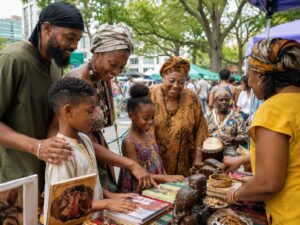
African Diaspora heritage should not be celebrated only during one month, one holiday, one festival, or one special event. It is something families can honor throughout the year in simple and meaningful ways. Heritage lives in food, music, family stories, books, language, faith, art, clothing, history, local businesses, community gatherings, and the everyday choices families make to remember who they are and where they come from. For families across the DMV, there are many opportunities to keep that connection alive. Washington, D.C., Maryland, and Virginia are full of African Diaspora culture. Families can find African American history, African immigrant communities, Caribbean influence, Afro-Latin traditions, Black-owned businesses, cultural restaurants, local artists, historic neighborhoods, museums, churches, mosques, bookstores, markets, festivals, and community organizations all across the region. This gives parents, caregivers, elders, and mentors many ways to help children experience culture as something close, real, and personal. Celebrating heritage all year does not require a large budget or complicated plan. A family can begin with one meal, one book, one conversation with an elder, one visit to a museum, one local business supported, one song discussed, one family photo preserved, or one cultural event attended. Small actions matter because they are repeated. When children experience culture again and again, it becomes part of their identity instead of something they only hear about occasionally. The goal is not to make heritage feel like homework. The goal is to help families build pride, connection, curiosity, and memory. Children should learn that African Diaspora heritage includes struggle, but it also includes joy, brilliance, creativity, leadership, faith, beauty, music, food, business, invention, family strength, and community love. When families celebrate that fullness all year, they help the next generation feel more rooted and confident. 1. Make Culture Part Of Everyday Family Conversation. One of the easiest ways to celebrate heritage all year is to talk about it regularly. Families do not need a formal lesson every time. Culture can be discussed naturally during meals, car rides, bedtime, family gatherings, school projects, music listening, movie nights, or community outings. A simple conversation can help children understand that culture is part of daily life, not something separate from it. Parents and caregivers can ask children what they are learning about history, what music they enjoy, what foods they are curious about, or what they know about their family background. Elders can share memories about where they grew up, what traditions mattered, what holidays looked like, what songs were sung, what foods were cooked, and what values helped the family stay strong. These conversations help children connect family life to the wider African Diaspora story. Culture conversations should leave room for questions. Children may ask why certain traditions matter, why history includes painful moments, why different families celebrate differently, or why some stories were not taught in school. Adults do not need to have perfect answers. They can say, “That is a good question. Let’s learn together.” This teaches children that heritage is something worth exploring with honesty and care. When culture becomes part of normal conversation, children begin to see it as something alive. They learn that their identity is not hidden or occasional. It belongs in the home, at the table, in the car, at school, and in community life. 2. Visit Local Museums And Historic Places Throughout The Year. The DMV offers many opportunities for families to connect with history through museums, monuments, cultural centers, historic neighborhoods, and local landmarks. These places can help children see history beyond textbooks. They can look at photographs, documents, clothing, tools, artwork, music, videos, and personal stories that make the past feel more real. A museum visit does not have to be rushed. Families can choose one section, one exhibit, or one theme at a time. Trying to see everything in one day can overwhelm children. A slower visit allows them to ask better questions and remember more. Parents might ask what stood out, what surprised them, what made them proud, or what they want to learn more about. Historic places can also help children understand that the DMV itself carries deep history. A walk through a neighborhood, a visit to a historic church, a local mural, a school site, a community center, or a landmark connected to Black history can show children that important stories happened close to home. This helps them see their region with more pride. Families can make museum and history visits a regular tradition. One outing every few months can build a strong foundation over time. Children may not remember every detail, but they will remember that their family made history and culture important. 3. Use Food To Teach Heritage With Joy. Food is one of the most natural ways to celebrate African Diaspora heritage. A family meal can carry history, geography, memory, and love. Across the DMV, families can experience African American, Caribbean, African, Afro-Latin, Southern, and other Diaspora food traditions through home cooking, restaurants, markets, festivals, and family gatherings. Parents and caregivers can use meals as learning moments without making them feel heavy. They might explain where a dish comes from, who taught the family to cook it, what ingredients are used, or why it appears during certain holidays or gatherings. Children can help prepare meals, taste new foods, compare flavors, and ask questions about different cultures. Trying new foods can also help children understand the diversity of the African Diaspora. A child may eat jollof rice one month, jerk chicken another month, injera another time, gumbo at a family gathering, or rice and peas at a community event. These experiences show that culture is wide and varied, not limited to one tradition. Food also creates joy. Children may remember the smell of a favorite dish, the laughter during cooking, the elder who seasoned without measuring, or the restaurant where the family tried something new. These memories become part of how culture is passed forward. 4. Support Diaspora-Owned Businesses In The DMV. Supporting local businesses is a practical way to celebrate heritage

Read More »
Skip to content